
Your Cart is Empty


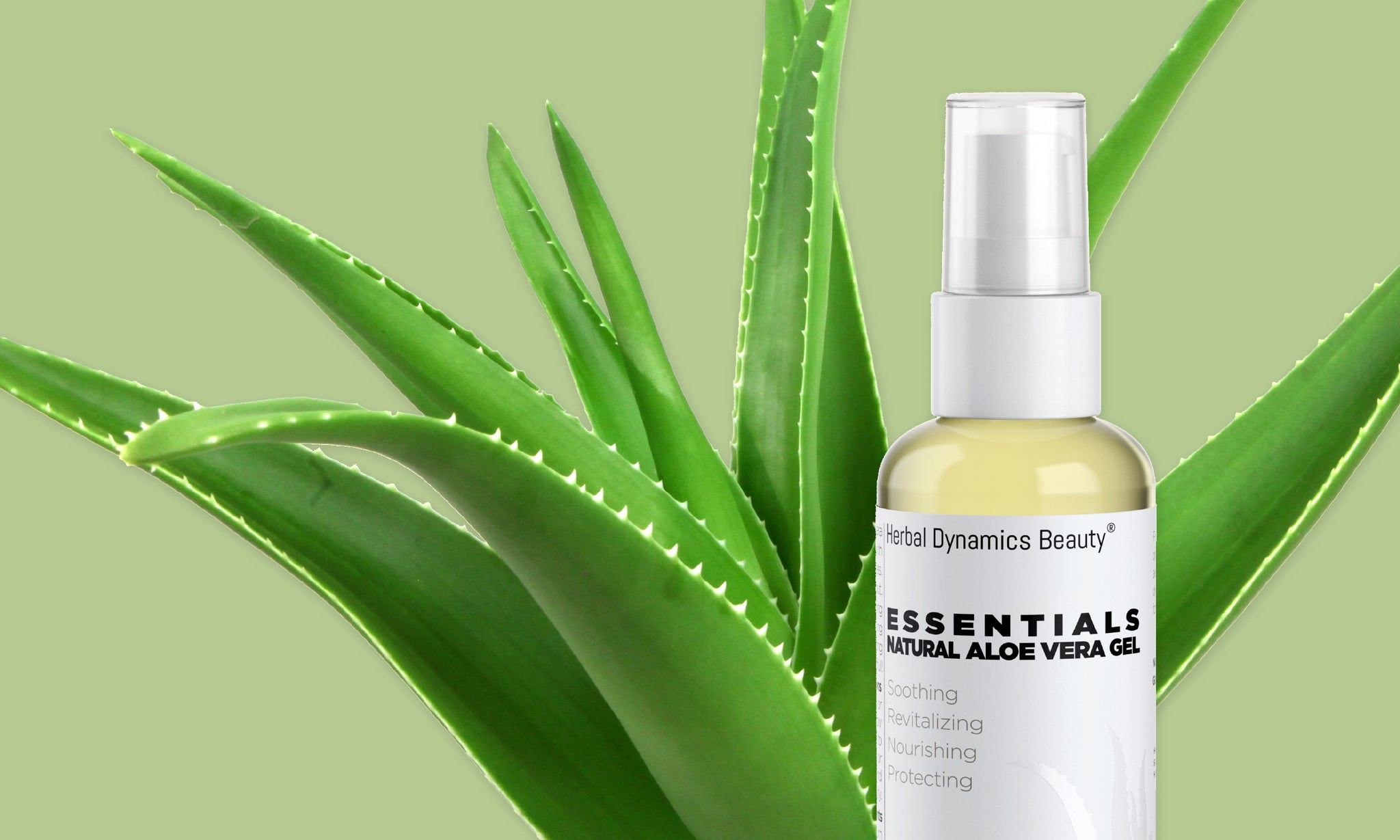
Aloe vera gel can be a cosmetic ingredient, but adding it to alcohol at home does not establish that the mixture is an effective hand sanitizer. The FDA advises consumers against making their own sanitizer because mistakes can make it ineffective or cause injury. Choose hand hygiene and moisturizing care as two separate jobs.
The alcohol percentage of an ingredient is not the same as the final concentration after mixing. Household measurements, additions and uncertain raw materials make a recipe difficult to assess. Do not dilute a finished sanitizer with aloe, fragrance, essential oils or moisturizer. A soothing feel is not evidence that a mixture reduces germs.
When soap and water are unavailable, CDC guidance recommends an alcohol-based sanitizer containing at least 60% alcohol. Read the finished product’s label, amount and directions. Hand sanitizer is not a substitute for washing visibly dirty or greasy hands, and it does not remove every type of germ or chemical.
Apply enough to cover all hand surfaces and rub until dry. Do not rinse or wipe it away early. Keep sanitizer out of children’s reach, supervise their use and never swallow it. Alcohol-based sanitizer is flammable; keep it away from heat and flames and let hands dry before approaching a source of ignition.
Wash with lukewarm water and soap, then apply a comfortable hand cream or ointment while skin is slightly damp. After sanitizer, let hands dry before moisturizing. For chapped skin, fragrance-free creams or ointments with an occlusive base can be more useful than a light gel alone. Persistent cracking, bleeding or a rash deserves professional advice.
Aloe belongs in the discussion of cosmetic formulation and personal tolerance. It does not turn a moisturizer into an antiseptic. The aloe vera ingredient guide explains that distinction; the skin barrier guide explains why moisturizing support matters. Choose a finished hand-care formula around its purpose rather than buying an ingredient to reproduce a household recipe.






