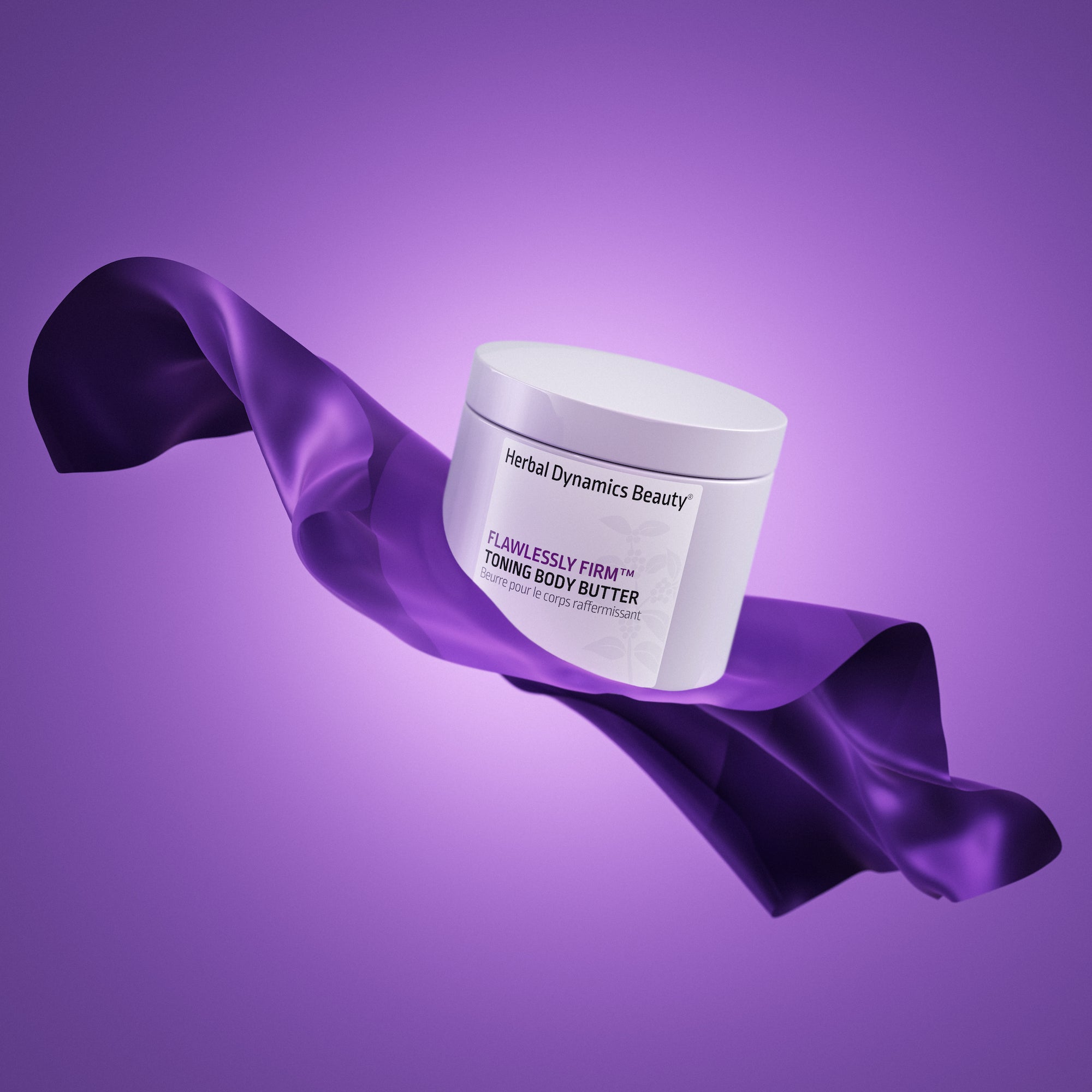
Your Cart is Empty


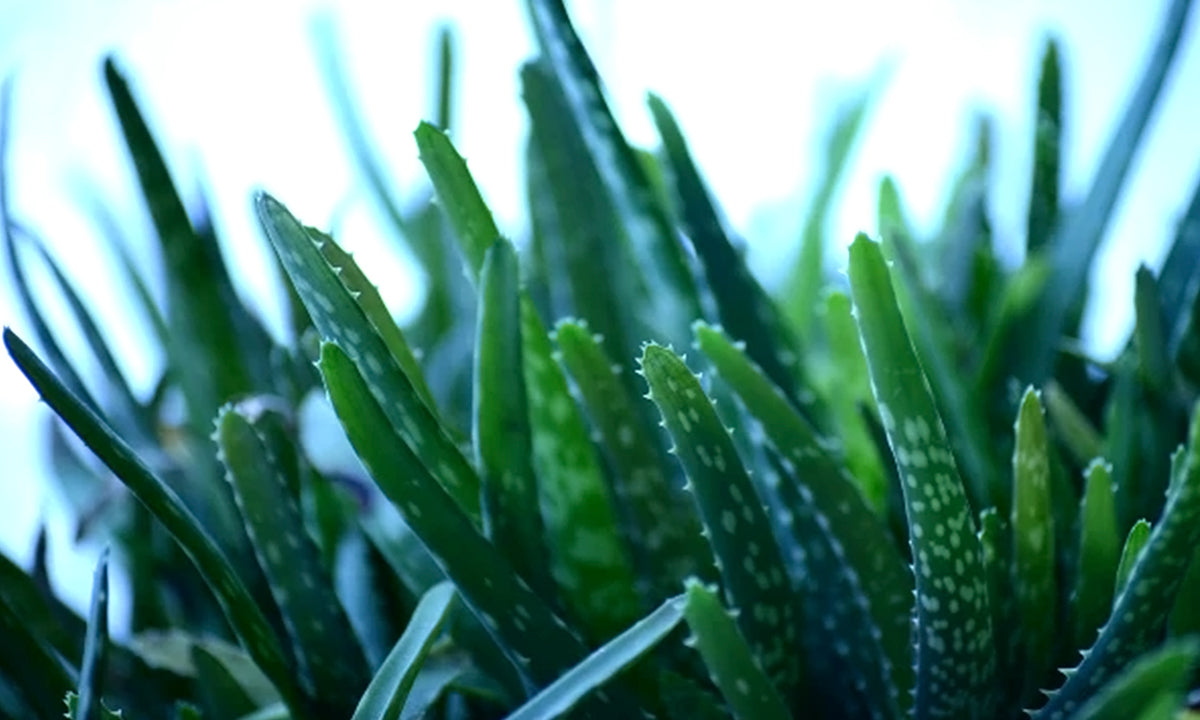
Aloe vera is a common ingredient in moisturizing and soothing skincare, with benefits that depend on the finished preparation. It is not a sunscreen, an age-reversal treatment or a substitute for medical care of wounds and skin conditions.
Aloe leaf gel and the latex found nearer the leaf surface contain different substances. A cosmetic ingredient, a fresh leaf and an oral supplement are not interchangeable. Processing, preservation and other ingredients affect a topical product.
A suitable formula can help skin feel hydrated and comfortable. Laboratory findings about antioxidants, inflammation or fibroblasts explain research interest but do not demonstrate that every aloe lotion rebuilds collagen or reverses wrinkles.
NCCIH reviews the clinical evidence and its limits. Studies of particular conditions or combination treatments should not be generalized into claims that aloe disinfects skin, erases scars or treats every rash.
Small acne studies have examined aloe with other treatments. They do not establish that aloe alone replaces a medicine. The dedicated aloe-and-acne guide explains the combination-trial evidence.
A soothing sensation after sun exposure does not undo UV damage or establish sun protection. Aloe should not replace sunscreen or appropriate medical assessment of a severe burn.
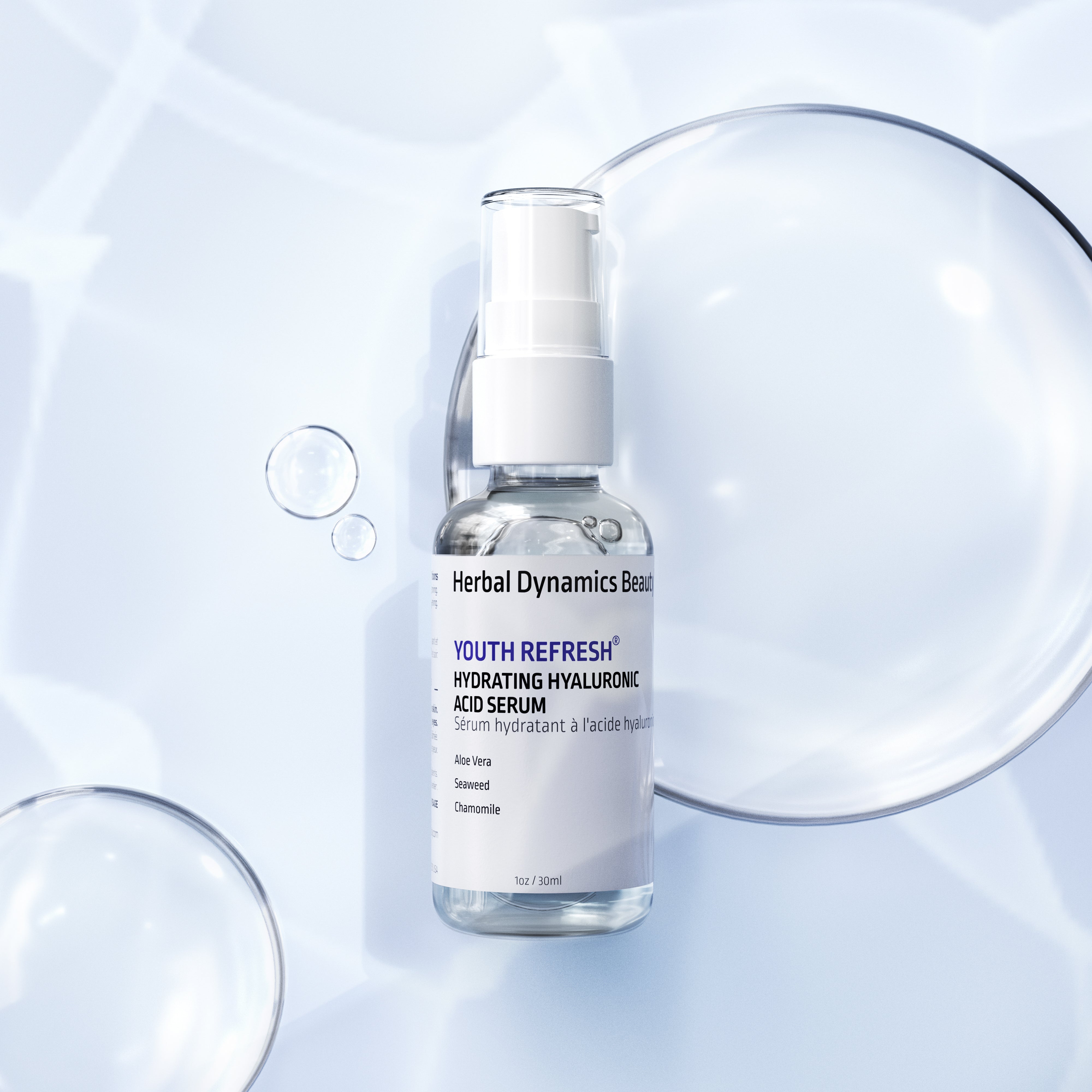
Herbal Dynamics Beauty Youth Refresh® Hydrating Hyaluronic Acid Serum combines aloe gel with humectants including hyaluronic acid, glycerin and sodium PCA. It is an optional hydration step for someone who tolerates the formula, followed by moisturizer when needed. The ingredient list is not proof of clinical acne, wound-healing or wrinkle-reversal results.
Topical aloe can still cause burning, itching or rash. A fresh leaf is not a standardized, preserved skincare product. Avoid using homemade preparations on damaged skin or assuming plant origin guarantees tolerance.
Oral aloe has different risks and potential medicine interactions. Do not drink it to reproduce a topical skincare study. Discuss oral products with a clinician rather than treating them as a cosmetic extension of your routine.
For comfortable skin, start with the hydration and dryness distinction and choose a product for that goal. Persistent skin symptoms deserve diagnosis rather than increasingly elaborate botanical experiments.
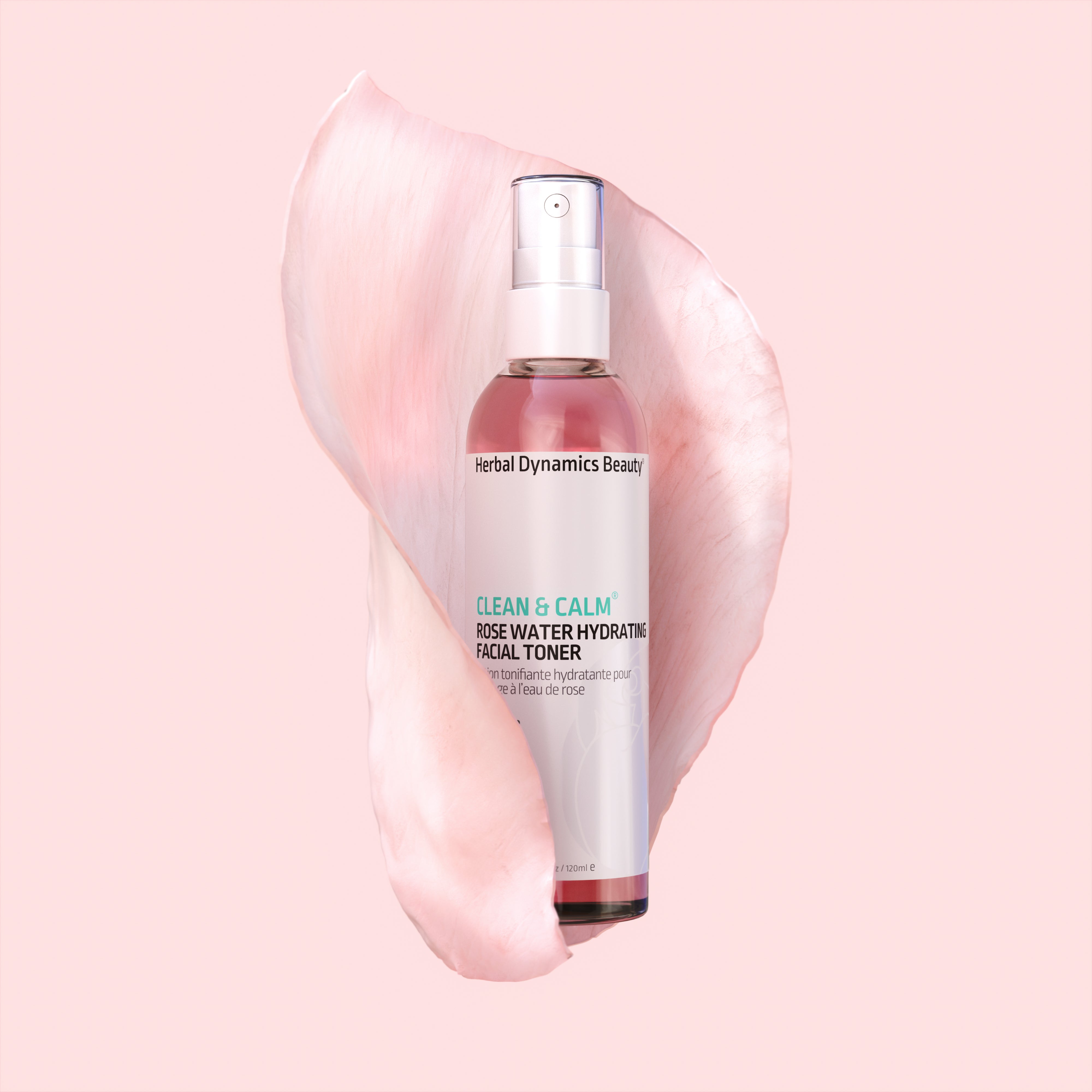
Aloe can be one component of a water-based toner alongside humectants and other botanicals. It does not by itself establish the product's hydration duration, exfoliating strength or suitability for every sensitive face. Compare the ingredients in a CoQ10 toner and hydrating-toner selection. The facial-toner guide explains the optional role of this format.
Aloe is an optional formula component, not a requirement of a sensitive-skin routine. Compare the finished hydrating serum rather than judging it by one plant. If a product starts to sting or itch, read irritation versus allergy and stop the suspected cosmetic.
For the ingredient comparison, centella versus aloe evaluates preparation and formula roles rather than assuming two botanicals provide identical comfort effects.
Updated September 20, 2026. General skincare education, not a diagnosis or individualized treatment plan. Seek professional care for deep, painful, scarring, persistent or rapidly worsening acne.