Your Cart is Empty


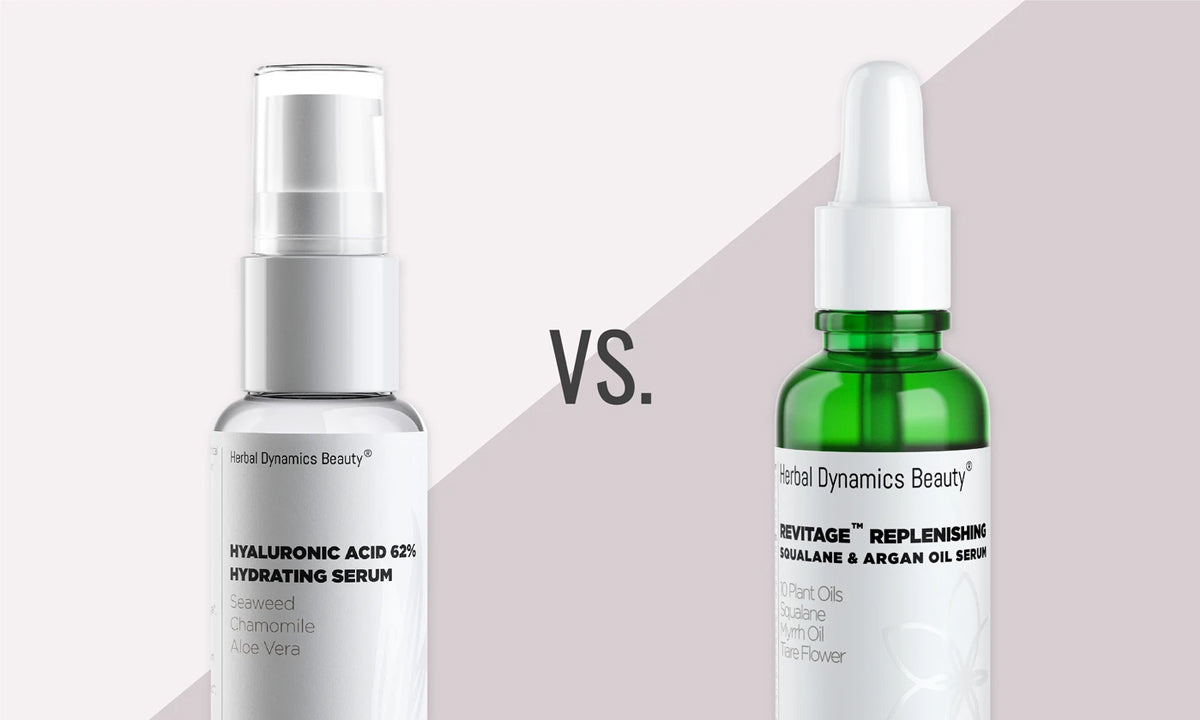
A face oil usually supplies oil-based emollients, while “serum” describes a product format that can contain many different ingredients. A hydrating serum, a vitamin C serum and an oil serum do not do the same job. You do not automatically need an oil, serum and moisturizer together.
| Product | Possible role | Important limit |
|---|---|---|
| Hydrating serum | Water-binding ingredients such as glycerin or hyaluronic acid | May not provide enough emollient or protective support alone |
| Treatment-oriented cosmetic serum | A specific ingredient or cosmetic goal | The word serum does not prove potency or effectiveness |
| Facial oil | Emollient softness and slip | A plain oil does not supply water or humectants |
| Moisturizer | Several moisturizing functions in one formula | Texture and tolerance still need to suit your face |
Serums can be water-based, emulsions or oil-based. You cannot infer penetration depth from a thin texture or from the word serum. Evidence for a specific ingredient also cannot be transferred automatically to every product that contains it.
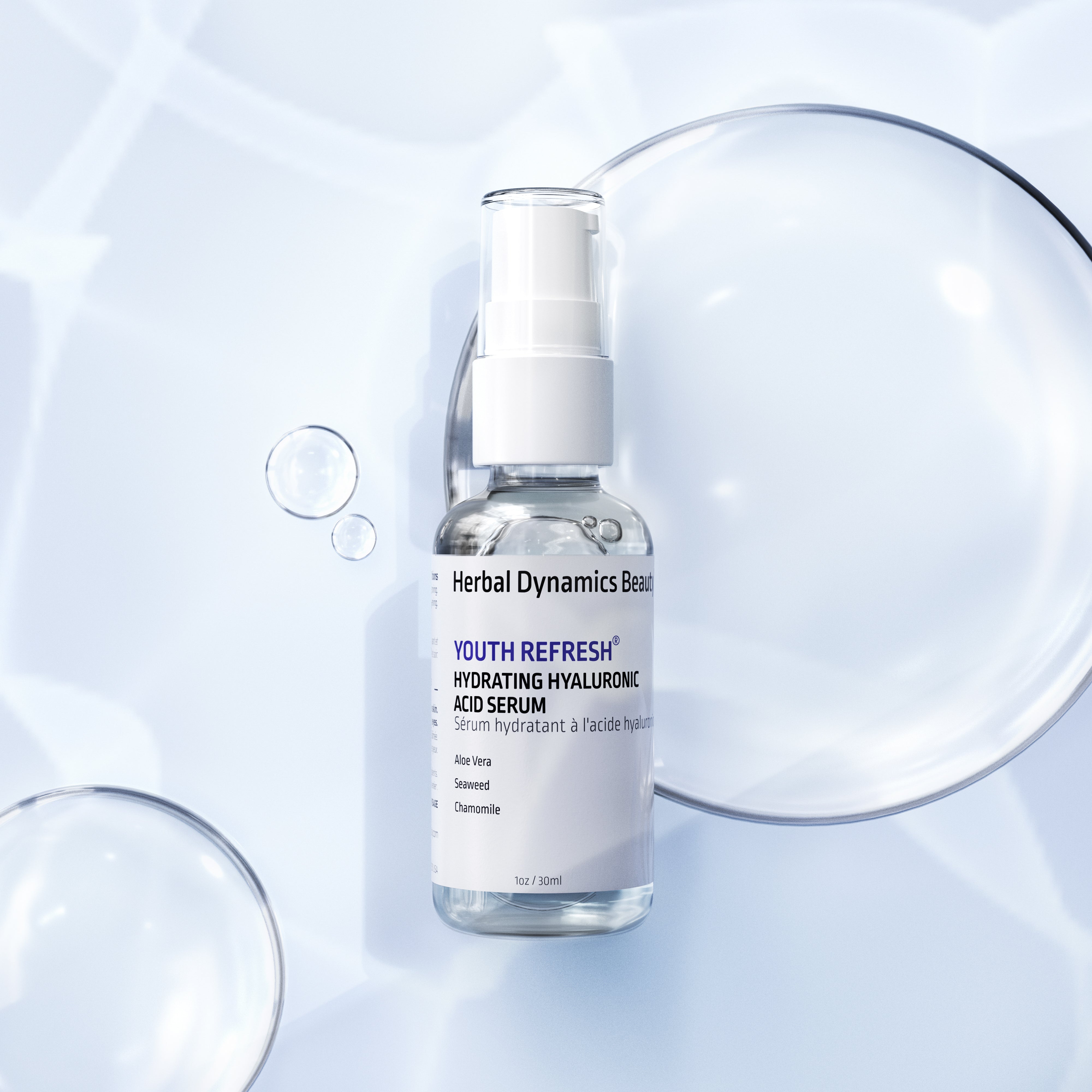
A serum can be an optional layer when you like its feel and your routine benefits from it. Youth Refresh® Hydrating Hyaluronic Acid Serum lists hyaluronic acid and other water-binding ingredients; it also contains botanical ingredients, so consider the full formula. A separate serum is unnecessary if a comfortable moisturizer already meets your needs.
For the water-loss question, use the existing hyaluronic acid and dehydration guide. For oily tightness, changing the base moisturizer may be more useful than adding increasingly sticky layers.
Squalane illustrates why the format matters: it can be sold as a plain oil or included in an active serum or moisturizer. Use the squalane formula selection guide to distinguish those jobs before adding a layer.
An oil can add a softer or richer finish to dry areas if tolerated. That does not make it essential or establish that it replaces moisturizer. The face oil versus moisturizer guide explains this decision in more detail.
If you use both a water-based cosmetic serum and moisturizer, the serum usually goes first. An optional oil may be used afterward according to its directions. Follow the actual treatment instructions whenever they differ from that general sequence.
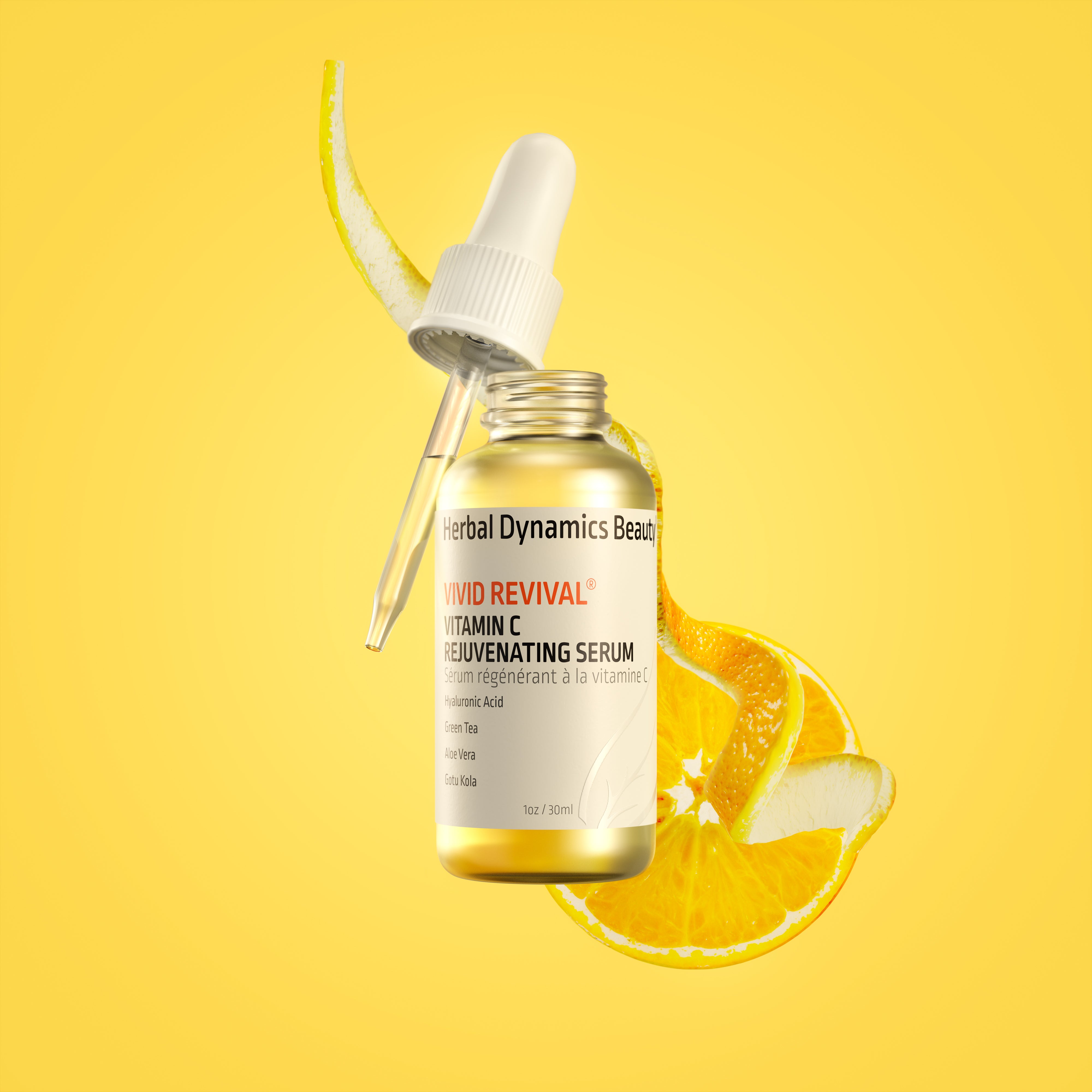
Choose those products for their specific purpose and tolerance, not because every routine needs an active serum. Moisturizer can follow a compatible vitamin C serum; the vitamin C routine guide covers the details.
After an exfoliating product, follow its rinse-off or leave-on directions and use a tolerated moisturizer. Do not try to neutralize an irritating acid with an oil. Persistent stinging is a reason to stop and reassess.
Begin with the step that solves your current problem. If your face is comfortable, an extra serum or oil is optional. If it remains dry, compare the base cream's ingredients and texture. For breakouts or a rash, more layers are not a substitute for appropriate care.
An oil serum may provide primarily oil-soluble emollients; a water-rich serum may emphasize humectants. Emulsions can combine the two. Texture alone does not disclose the active concentration or establish which penetrates farther.
Compare the complete ingredient list and directions, then use the layering guide for placement. The serum-versus-moisturizer comparison owns the cream decision; the serum overview and selection guide help choose the remaining purpose.
For a coconut-oil example, coconut oil’s topical and dietary uses keeps the role of a plain oil distinct from the complete functions of a moisturizer.
For these two emollient label names, squalane versus hemisqualane explains identity and finish before you judge whether an optional oil adds a role.
By Herbal Dynamics Beauty · Updated September 25, 2026.