Your Cart is Empty


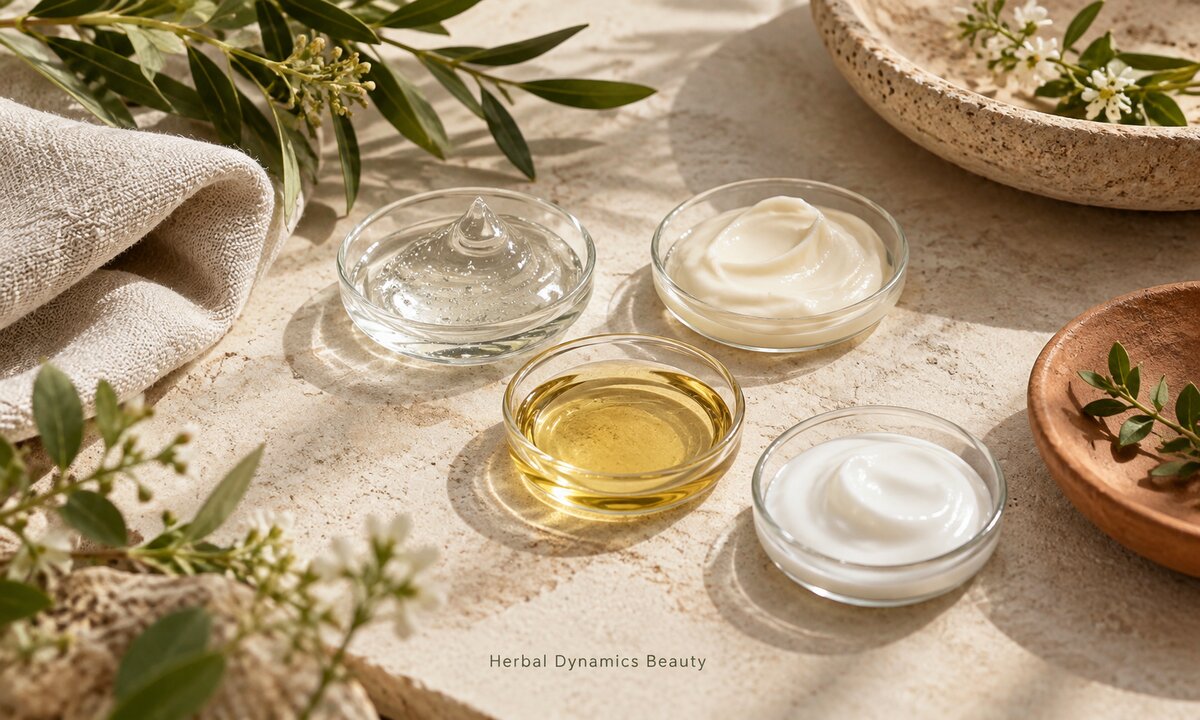
Squalane and hemisqualane are different cosmetic emollient materials. Hemisqualane is commonly listed as C13-15 Alkane and is used for a light, spreading finish; squalane is the larger C30 hydrocarbon. Hemisqualane is not simply a bottle of squalane diluted to half strength.
The main squalane guide covers squalane’s role. This page focuses on how to recognize and compare the two ingredient labels.
| Feature | Squalane | Hemisqualane |
|---|---|---|
| Common label name | Squalane | C13-15 Alkane |
| Chemical description | Saturated C30 hydrocarbon | Shorter-chain saturated hydrocarbon material |
| Typical formulation reason | Softness and an emollient finish | Spreadability and a lighter-feeling finish |
| What the name cannot prove | Barrier repair, acne treatment or universal tolerance | Superior absorption, treatment performance or universal tolerance |
A supplier specification sheet identifies its hemisqualane material as C13-15 Alkane and describes a light, dry feel. This supports the identity and intended sensory role of that raw material. Supplier texture descriptions are not independent clinical evidence that every hemisqualane product moisturizes better.
You may prefer a lighter finish, but that preference is not the same as evidence about clogged pores. A light serum can contain irritating actives, and a richer-looking cream can be well tolerated. The rest of the ingredient list still matters.
If breakouts are the concern, see squalane and acne-prone skin. Avoid treating molecular size, fast spreading or a dry touch as a guarantee of noncomedogenicity.
Choose the complete moisturizing system first. Neither a plain squalane oil nor a simple alkane fluid supplies the water and humectants found in many creams. If skin feels tight despite a smooth oily surface, a different moisturizer may be more useful than switching between emollients.
Compare squalane oil and squalane moisturizer before buying an additional step.
No. Verify source through the manufacturer’s documentation for the material or finished product. A supplier may describe a sugar-based route for a particular grade, but an ingredient name alone is not a universal sourcing certificate. Read plant-derived squalane and source claims for the relevant questions.
Use a finished cosmetic intended for your area of application. A raw-material technical sheet is not a home-formulation recipe or a suggested facial dose. Product instructions take priority, particularly when retinol, exfoliating acids or sunscreen are involved.
Our squalane routine guide separates oils from creams and active serums. The selection guide then helps decide whether the texture and ingredient list add something useful to the routine you already have.