Your Cart is Empty


Apply hyaluronic acid serum after cleansing and before moisturizer. For most water-based formulas, use a thin layer on slightly damp skin, then follow with moisturizer. In the morning, finish with broad-spectrum sunscreen.
This page is the practical application guide. For mechanisms, evidence and limitations, visit Hyaluronic Acid for Skin: Benefits, Types, How to Use & Limits.
| Routine | Suggested order |
|---|---|
| Simple morning | Cleanse or rinse → HA serum → moisturizer → sunscreen |
| Vitamin C morning | Cleanse → vitamin C as directed → HA serum → moisturizer → sunscreen |
| Retinoid night | Cleanse → retinoid as directed → hydrating step where tolerated → moisturizer |
| Very sensitive routine | Gentle cleanse → familiar moisturizer; add HA only after patch testing |
There is no universal rule that every serum must be applied in the same sequence. Follow treatment directions first, then use lighter-to-richer texture as a practical default. See our HA pairing guide for vitamin C, niacinamide and retinoids.
Slightly damp skin often improves spread and comfort. Dry-skin application is not inherently harmful, and product directions still come first. Avoid soaking-wet skin because products can move unevenly. Read the focused wet vs. dry application guide.
Start once daily. Increase to morning and night only if the formula layers well and your skin benefits. Hyaluronic acid is not an exfoliating acid, so it does not require recovery days for that reason, but any finished product can irritate.
Use enough for a thin film—not a visible wet layer. More product raises the chance of tackiness and pilling without proving more hydration. If your serum rolls under moisturizer or sunscreen, cut the amount in half and simplify the routine.
Many people do, particularly those with dry skin, an impaired barrier or a dry climate. Hyaluronic acid supports water binding; moisturizers may also provide emollient and occlusive ingredients that reduce water loss. Compare hyaluronic acid vs. ceramides.
If you are considering an oil after your hydrating serum, compare squalane with hyaluronic acid to understand their separate jobs. The squalane application guide explains why a squalane-containing cream and a separate plain oil occupy different places in a routine.
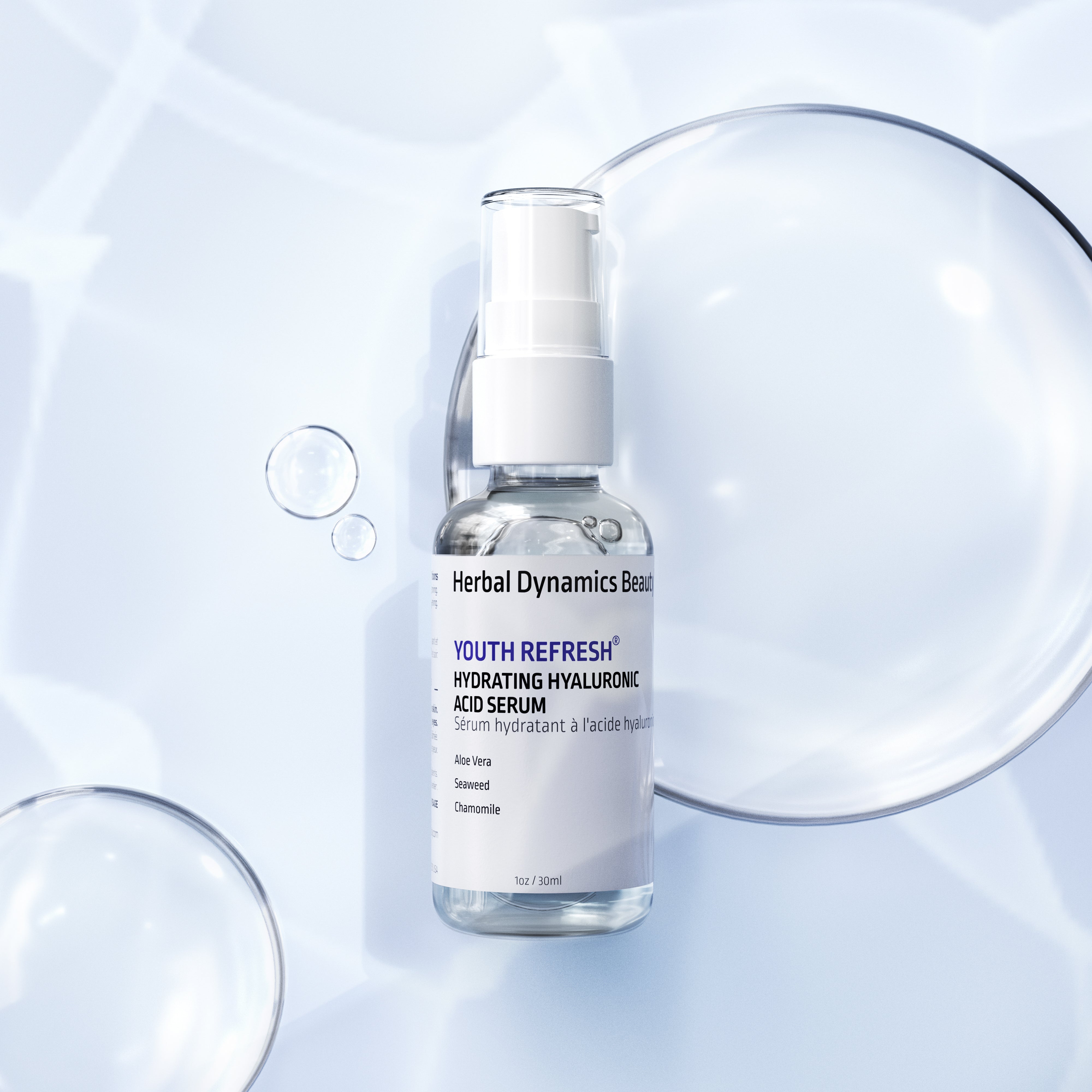
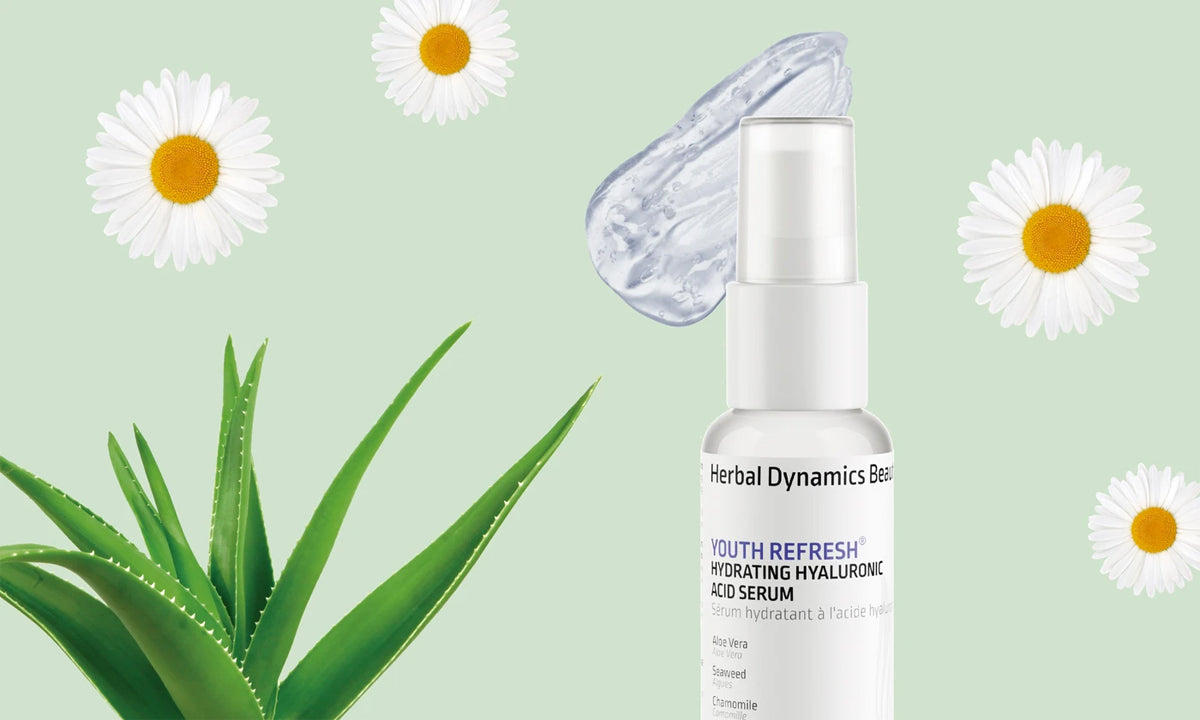
Youth Refresh® Hydrating Hyaluronic Acid Serum combines hyaluronic acid with glycerin and sodium PCA, plus aloe and botanical extracts. Apply a small amount and patch test if your skin is highly reactive.
| Problem | Likely adjustment |
|---|---|
| Tightness | Use less serum, apply to lightly damp skin and follow with moisturizer. |
| Sticky finish | Reduce the amount; avoid stacking several humectant serums. |
| Pilling | Minimize rubbing and test the serum with each next layer separately. |
| Stinging | Stop and simplify; the barrier or another ingredient may be the issue. |
No fixed waiting period is required. Apply the next layer once the serum has spread evenly and is no longer sliding across the skin.
Only if the product is directed for that area and does not migrate into the eyes. The ingredient may hydrate; it will not remove pigment or structural hollows.
Use a water-based HA serum before oil. Oil is more occlusive and can make it harder for a water-based layer to spread evenly on top.
If the routine includes an exfoliant, follow that product’s instructions about dry skin, rinsing and contact time before applying later hydration steps. The exfoliation sequence and active-combination guide explain why a hydrating serum does not neutralize an acid.
The face moisturizer guide explains what a cream or lotion can contribute beyond a serum. Use moisturizer application and layering to fit an optional hyaluronic acid step into a manageable routine.
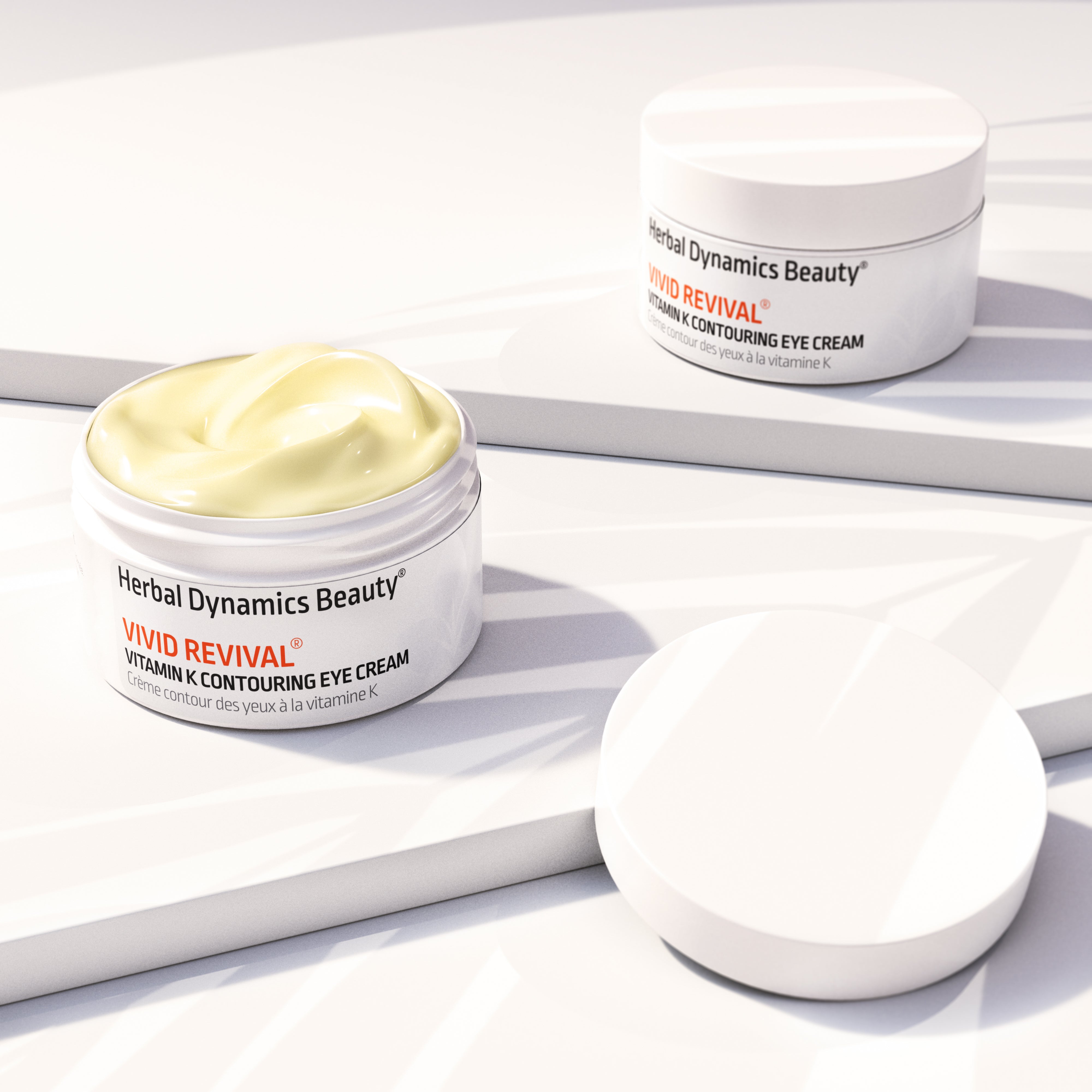
For the eye area, check hyaluronic acid placement and formula suitability.
General face-serum application covers amount, frequency and optional steps. The layering guide puts the formula around moisturizer and sunscreen; serum versus moisturizer explains when both are useful.
If the other product contains bakuchiol, bakuchiol with hyaluronic acid and other ingredients explains the hydration step without assuming that a separate serum is always needed.
If the other serum contains alpha arbutin, the alpha-arbutin and hydration guide explains when a separate hyaluronic-acid step may help and when existing moisturizer is enough.
If the pigment step contains TXA, tranexamic acid with hyaluronic acid and other ingredients helps decide whether extra hydration adds value or an existing moisturizer is sufficient.