Your Cart is Empty


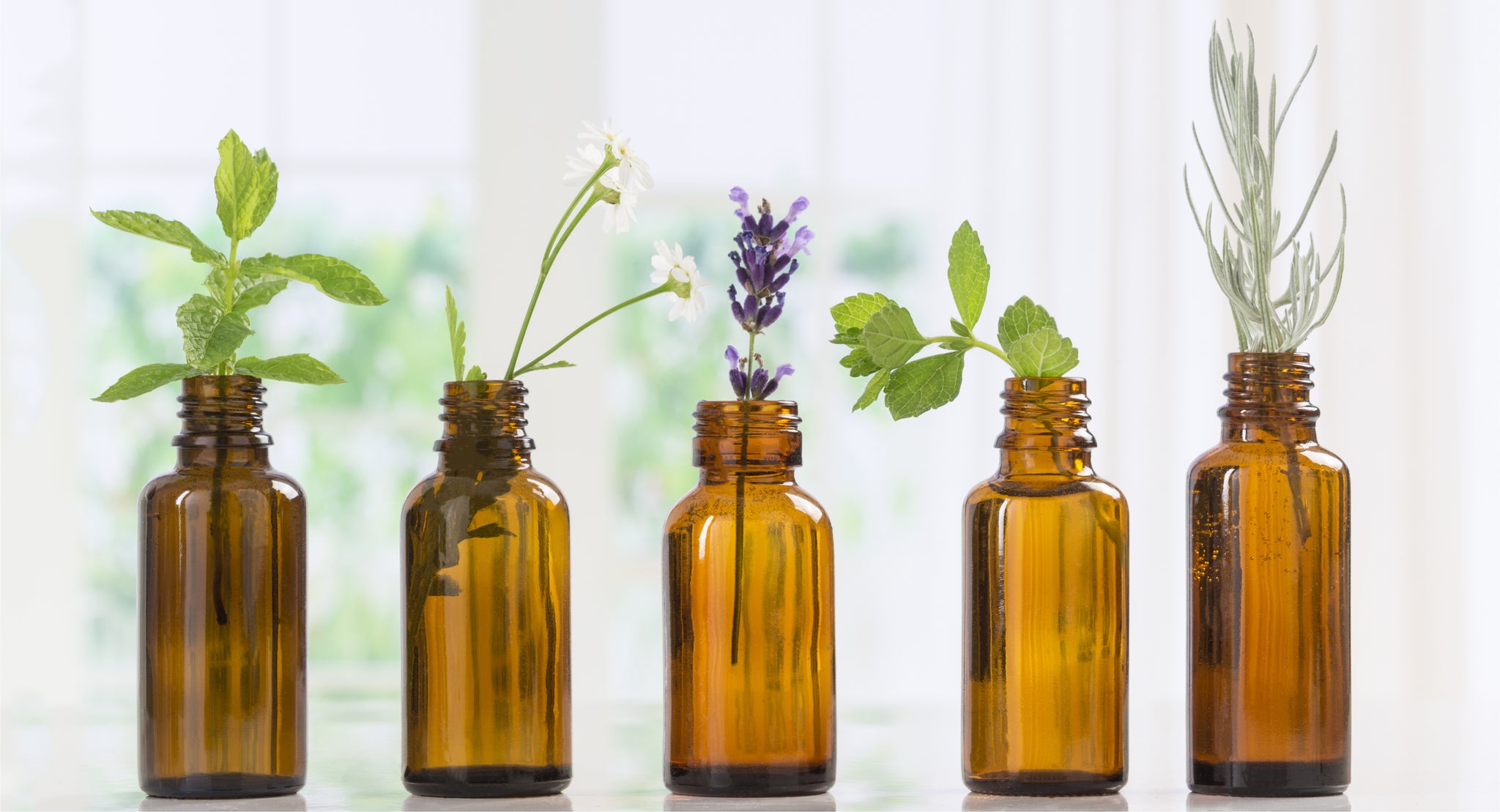
Fragrance and essential oils can trigger irritation or contact allergy in some people. Sensitive skin does not need an essential oil, and natural fragrance is not an allergy-free alternative to synthetic fragrance. If fragrance has caused reactions, prioritize suitable fragrance-free formulas and follow any specific avoidance advice from your clinician.
| Label or ingredient | What it tells you | What still needs checking |
|---|---|---|
| Fragrance or parfum | The formula includes a fragrance mixture | A general fragrance listing may not identify each component. |
| Unscented | The product may have little noticeable smell | Masking fragrance can still be present. |
| Fragrance-free | A useful starting point when avoiding fragrance | It is not a guarantee against every allergic or irritant reaction. |
| Lavender, peppermint, tea tree, rose or citrus essential oil | An aromatic plant preparation is present | The exact oil, formula, exposure and your allergy history matter. |
| Plant extract, seed oil or hydrosol | A different type of plant-derived ingredient may be present | Do not assume it is chemically identical to the essential oil or universally safe. |
The FDA fragrance guidance explains both masking fragrance and why a fragrance mixture may be listed as a single ingredient. For the broader ingredient types, read essential oils, extracts and carrier oils.
Essential oils contain multiple substances, and some can cause contact allergy. DermNet documents essential-oil contact dermatitis, including reactions to products marketed for wellness or natural care. Dilution changes exposure but does not eliminate an established allergy.
Do not apply undiluted oils to the face or use DIY oil mixtures on a rash. A cooling sensation from peppermint is not proof of healing, and an antimicrobial laboratory result does not establish that an oil is an appropriate acne medicine or treatment for a skin infection.
No. A plant ingredient can have different formulation roles, and its name alone cannot establish the purpose or concentration. An ingredient list is useful for identifying a known trigger, but it cannot certify safety. Ask the manufacturer when a plant-derived ingredient's identity is unclear and the answer matters to your allergy history.
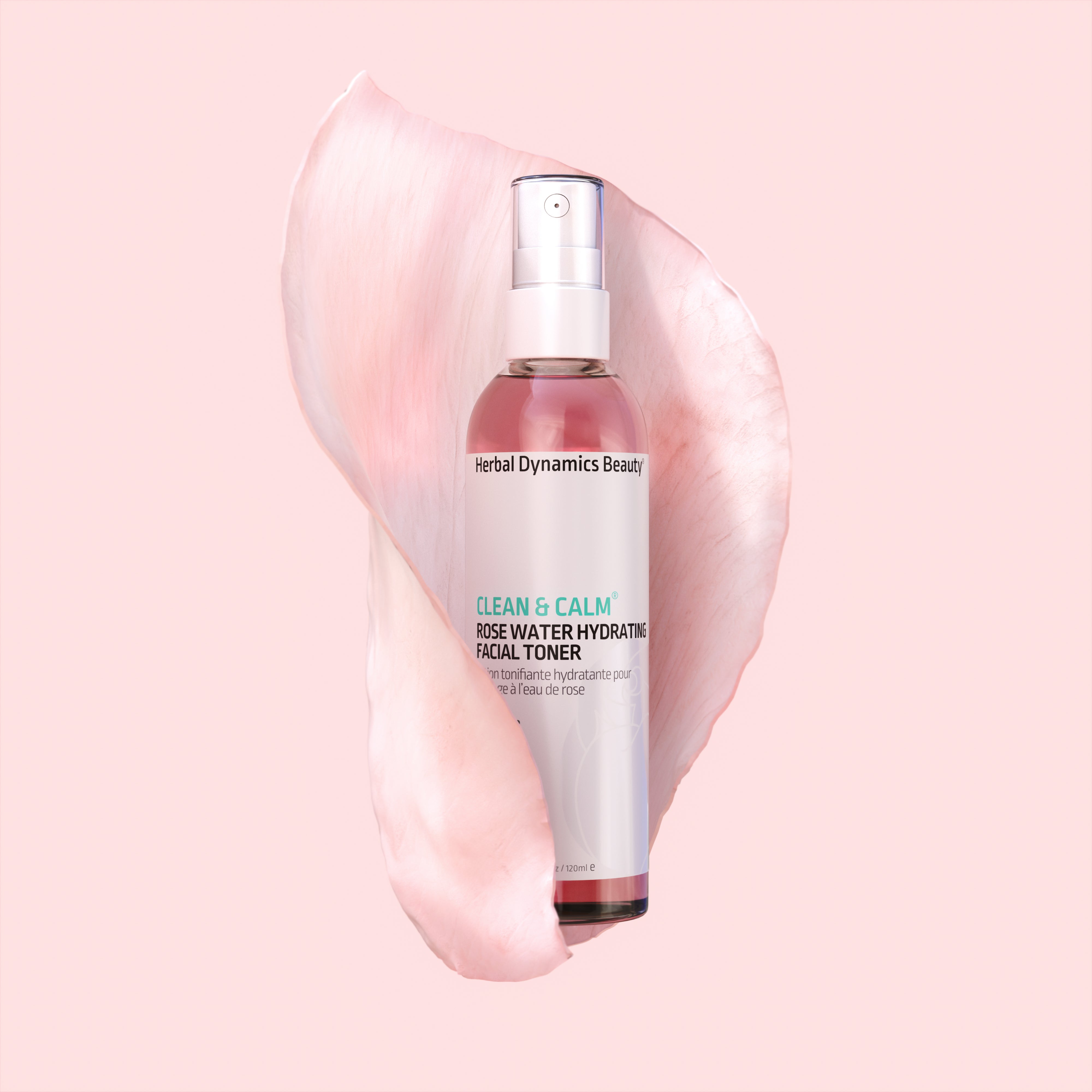
For example, chamomile species and preparations differ. Rose water, rose extract and rose essential oil also should not be treated as one interchangeable ingredient. A serum featuring a soothing plant can still contain another ingredient you do not tolerate.
That claim does not mean there are no fragrant ingredients. Check for aromatic oils and ask about the formula if needed. The practical goal is a product you tolerate, not winning a natural-versus-synthetic comparison.
If you are actively irritated, use a simple recovery approach and delay optional scented products. Irritation versus allergy explains why the exact cause may require assessment.
By Herbal Dynamics Beauty · Updated September 21, 2026.
General skincare education. Persistent, painful or worsening symptoms need professional assessment.