Your Cart is Empty


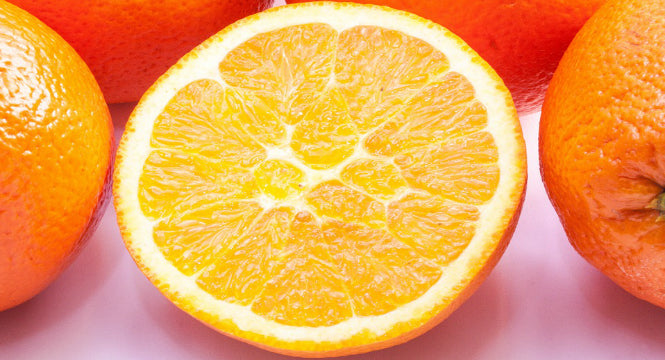
Sweet orange essential oil is an aromatic ingredient. Its presence in a cosmetic does not establish that the finished product clears acne, heals irritation or improves a person's mood medically. For sensitive skin, its relevance is part of the full formula and fragrance exposure.
Different preparations from a plant have different compositions. Nutritional facts about eating an orange cannot be used to promise topical vitamin C benefits from its essential oil. For that ingredient goal, use the vitamin C skincare guide.
Ask what the product is designed to do: moisturize, cleanse or provide fragrance. Evaluate evidence for that product and outcome. An antioxidant or antimicrobial observation in a laboratory is not a clinical test of a facial cream.
Do not treat all citrus preparations as identical. The exact ingredient, extraction and formulation matter; the name “citrus” alone cannot establish suitability.
Essential oils can cause allergic contact dermatitis. If fragrance or citrus ingredients are known triggers, follow specific avoidance advice. Do not apply undiluted oil, mix it into a packaged moisturizer or use it on a rash as a home remedy.
Stop a cosmetic causing persistent burning, itch or a rash. Repeated reactions may warrant assessment; a soothing or natural claim is not a reason to keep applying it.
By Herbal Dynamics Beauty · Updated September 21, 2026.
General skincare education. Persistent, painful or worsening symptoms need professional assessment.