Your Cart is Empty


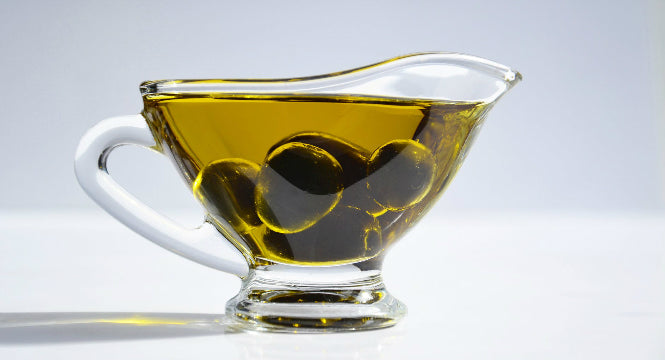
You probably know that olive oil is one of the very best oils to cook with, but did you know that olive oil has incredible benefits for skin health and beauty?
Olive oil as a skincare ingredient isn't a new trend. Cleopatra, who is often referred to as “the most beautiful woman in history,” used it in combination with sea salts to exfoliate and moisturize her skin. Homer, the Greek poet who was born somewhere around 8th century B.C., called it “liquid gold.” Ancient Greek physician Hippocrates called it “the great healer.” They were all big believers of the power of olive oil, and here's why!
Olive oil is packed with nutrients including vitamin E, antioxidants, and fatty acids, so it is great for skin, whether you consume it or apply it topically. Olive oil should have a place in everyone's anti-aging skincare routine, as it is a prime tool for keeping skin healthy and hydrated!
If you use skincare products with olive oil in them or if you simply apply a teaspoon of extra virgin olive oil to your skin at night, you can expect these beauty benefits:
Olive contains three big antioxidants: vitamin E, polyphenols, and phytosterols. Vitamin E blocks free radicals which cause oxidative stress and premature wrinkles.
Polyphenols, which are also found in green tea and grapes, belong to a group of very powerful antioxidant compounds called catechins. They also have anti-inflammatory properties which can help to repair UV sun damage and inflammatory-induced skin diseases such as eczema.
Phytosterols are found in plants and they lower cholesterol. These healthy fats prevent collagen breakdown, encourage new tissue growth and may be helpful as an anti-aging ingredient, according to the National Institutes of Health.
Hydroxytyrosol is rare, but it is found in olive oil and also prevents free radical damage to the skin.
Ingredient comedogenicity ratings cannot guarantee that a product will never contribute to breakouts. Pure olive oil is also different from an emulsifying facial cleanser.
Oil-based removal works at the surface by helping loosen compatible oily residue. It does not need to penetrate deeply into skin. See cleansing oils versus water-based cleansers.
Many cleansing oils contain emulsifiers or other surfactants so they rinse with water. They are not universally non-irritating, and moisturizing feel does not establish suitability for every face.
For facial cleansing, choose a finished product with clear removal and rinsing directions rather than ranking kitchen oils by thickness. Stop use if irritation develops.
Ask any dermatologist and he or she will tell you there are three major pillars in fighting skin aging: protect, moisturize, and exfoliate. Olive oil can be used to exfoliate. Just do as Cleopatra did -- combine olive oil with some natural sea salts and gently scrub the dead skin away.
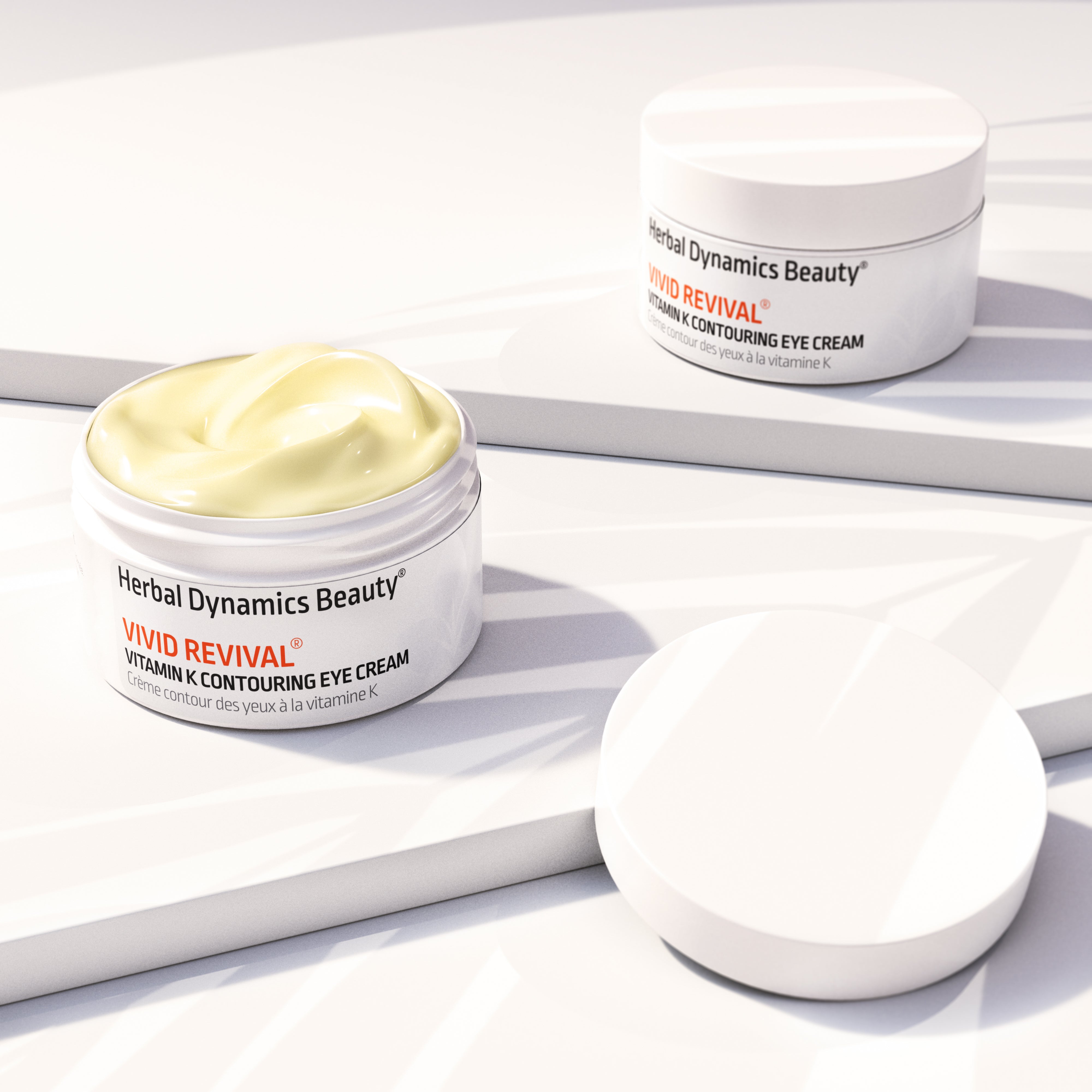
Vitamin K’s role in normal blood clotting does not make olive oil a treatment for bruising, wounds or dark circles. Do not start supplements or cosmetic treatments around a procedure without your clinician’s instructions. See topical Vitamin K evidence and limits.
Olive oil contains both omega-3 and omega-6 fatty acids. Both are polyunsaturated fats and regulate cell turnover. Essential fatty acids (EFA) are critical to skin health. Research points out that they may decrease inflammation associated with acne.
Some studies also found that psoriasis treatment that included medication and EFA supplementation was more successful than with medication alone.
Internally, when your diet is rich in EFAs it helps the cell transference process which, in turn, helps to flush the fats and oils that tend to clog pores. They provide a healthy balance of moisture, and they can help reduce oiliness.
Olive oil contains oleocanthal, which is a polyphenol. It acts as a natural ibuprofen-like substance. It can slow genetic mutations that result in the cellular aging process and decreases chronic inflammation in cells, possibly being helpful in preventing melanoma as well as some other cancers.
Choose the wash for your needs using the facial-cleanser guide. Dermatology guidance recommends gentle fingertip washing and avoiding scrubbing.