Your Cart is Empty



Right now, there are about 1 trillion bacteria on your skin, making up a tiny ecosystem called the skin microbiome. The skin microbiome is responsible for the health of your skin, including how well it absorbs skincare products.
The skin microbiome interacts with the skin barrier and immune system. Associations with acne or eczema are complex; washing habits alone do not explain these conditions.
So, how can you manage your skin's microbiome? Read on to find out as we investigate everything you need to know about the skin microbiome below.
On top of your skin's physical barrier lives a layer of natural bacteria that helps promote healthy skin functioning. This is what’s known as your skin microbiome. It’s an ecosystem of organisms that live on the skin, contributing to its overall health. Within this little community of organisms, there are hundreds of species of bacteria. A diverse balance of bacteria equals a healthy skin microbiome.
Barrier disruption can accompany dryness, irritation and inflammatory skin conditions. It is one part of the picture, not a complete explanation for acne or a reason to avoid effective treatment.
Harsh cleansing and excessive exfoliation can irritate skin. A simple, tolerated routine supports comfort, but appearance alone cannot show that particular microorganisms have taken over.
A dysfunctional microbiome can also increase premature aging and sensitivity. If your skin begins to burn or sting unpredictably when you use certain skin care products, this could be why.
Prebiotics and probiotics often get grouped together, but they’re not the same thing. Prebiotics are specialized plant fibers. They act like fertilizers that stimulate the growth of healthy bacteria in the gut. Probiotics are different in that they contain live organisms, usually specific strains of bacteria that directly add to the population of healthy microbes in your gut. Just like in the gut, prebiotics and probiotics can be beneficial for lackluster skin that needs a boost.
Cleansers differ in surfactant blend, concentration, pH and the rest of the formula. A sulfate label alone cannot establish a particular microbiome effect. Read surfactants and cleanser mildness.
Choose washing frequency around residue, sweat and tolerance. Water alone may be enough for some mornings, but this is not a universal microbiome prescription. Use the washing-frequency guide.
Prebiotic, probiotic and fermented skincare labels describe different ingredients and claims. Clinical evidence is specific to the preparation studied; these labels do not prove that a cosmetic treats acne or eczema.
Benzoyl peroxide remains an evidence-supported acne medicine. Do not restrict every acne treatment to isolated spots because of microbiome concerns. Follow the medicine label or prescriber; some treatments are intended for the acne-prone area.
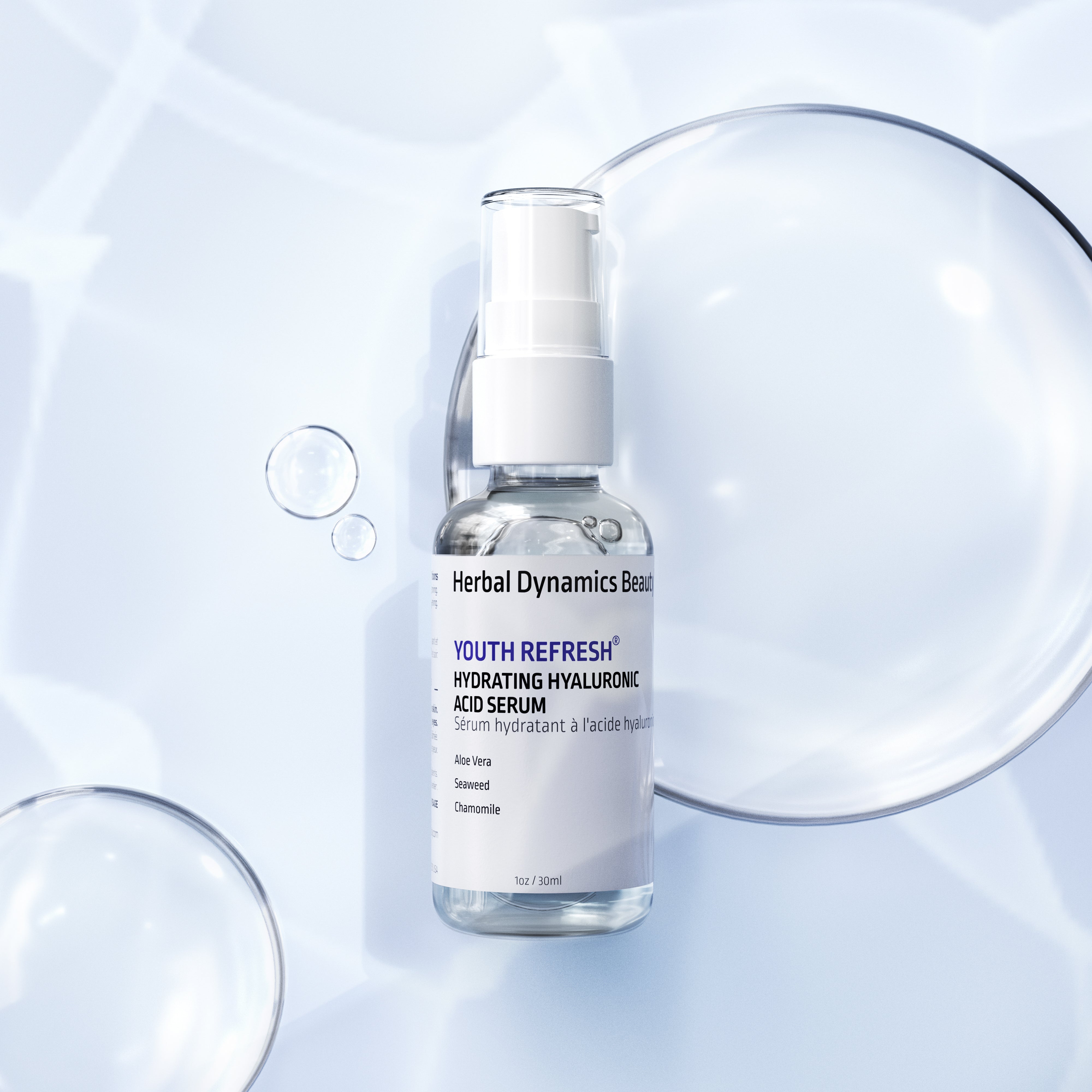
Regularly under-hydrating can negatively affect your skin’s microbiome. Drink between 9 and 13 eight ounce cups of water a day and use a skin microbiome-pampering serum with hyaluronic acid or squalane to draw water into the skin and restore its barrier.
Whenever possible, wear clothing made from natural fibers such as cotton and bamboo -- especially if the material or fabric will be close to your skin for a long time. Synthetic fibers can irritate the skin barrier, changing the ratio of good to bad bacteria.
Microbial diversity is not a consumer diagnosis or a score that every routine should maximize. Persistent acne, eczema or other inflammation deserves appropriate assessment rather than an attempt to sterilize or supplement the skin.
Explore Herbal Dynamics Beauty skincare.
Choose the wash for your needs using the facial-cleanser guide. Dermatology guidance recommends gentle fingertip washing and avoiding scrubbing.
For treatment decisions, see the American Academy of Dermatology acne guideline and Herbal Dynamics Beauty’s acne-prone skin overview. For daily application, use the acne-prone skincare routine.