Your Cart is Empty


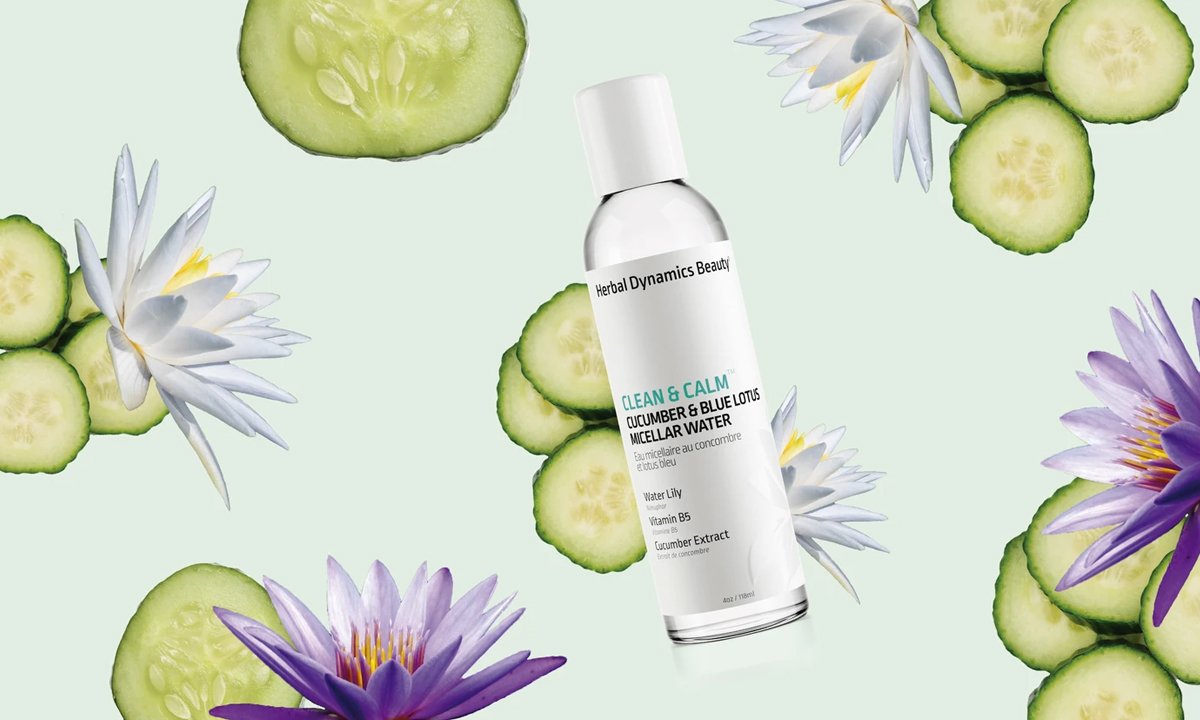
Micellar water is a cleansing product; toner is usually an optional leave-on hydration or treatment step. They can look alike, but they are not interchangeable. Use micellar water when you need appropriate makeup or surface-residue removal, and consider toner only for an additional function.
Micelles are aggregates formed by surfactants in water. Their structure helps interact with oily material so a cleansing formula can remove it. Micellar water contains cleansing ingredients even when it feels as light as water.
The surfactant system, amount used, contact time and wiping technique all matter. “Micellar” is not a guarantee that a formula never stings or removes every waterproof product.
| Product | Main job | Where it fits |
|---|---|---|
| Micellar water | Remove appropriate makeup, oil or surface residue | At the cleansing stage; follow rinsing directions |
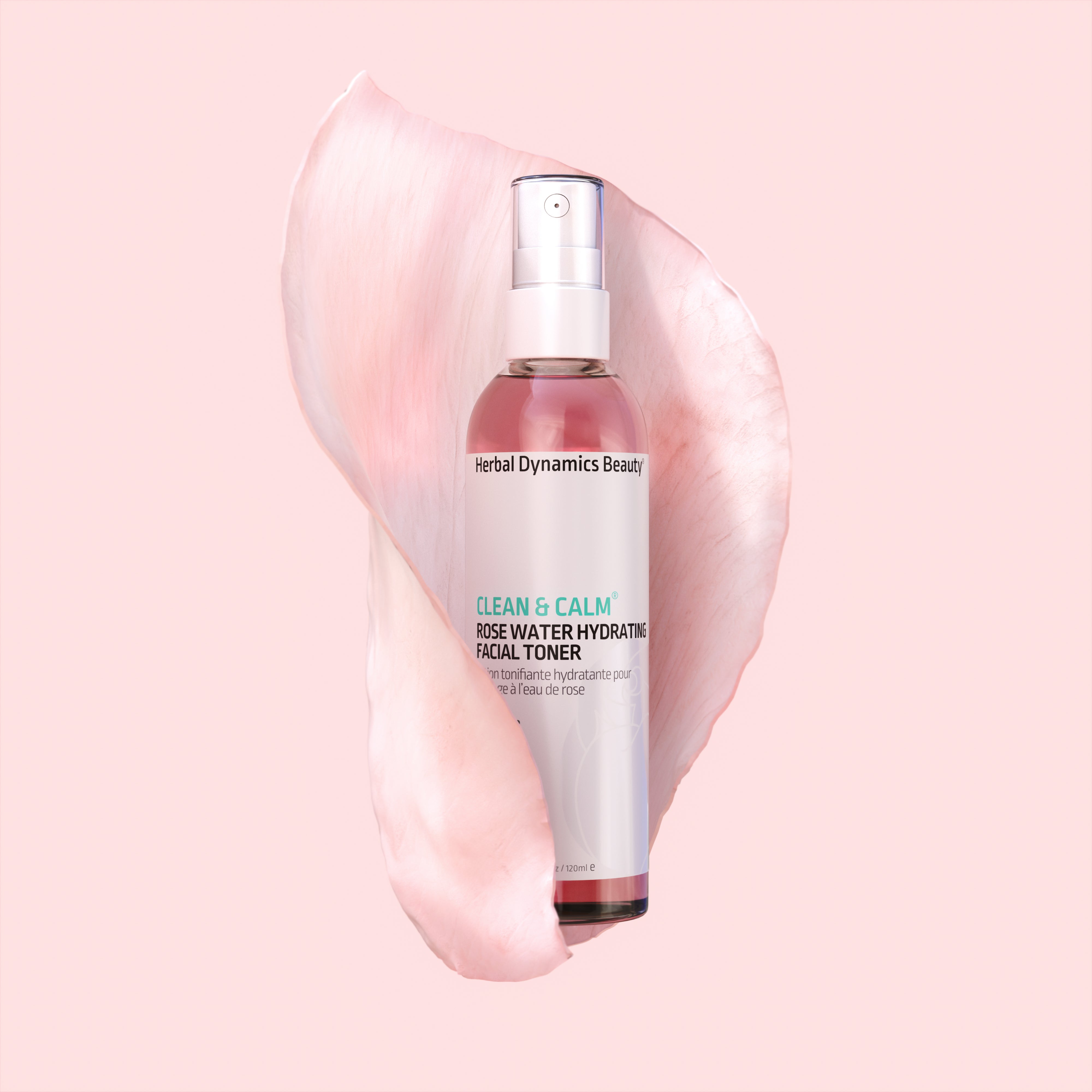
| Hydrating toner | Add an optional lightweight humectant layer | After cleansing and before moisturizer |
| Exfoliating toner | Deliver a formulated exfoliating active | As a planned active step, with frequency based on its directions |
| Face mist | Dispense a product as a spray | Depends on the formula and intended use |
There is no requirement to use micellar water plus a cleanser on every face at every wash. Choose enough cleansing for the products you wear without making your skin sore.
Some formulas are designed for sensitive skin, but not every product or application method will suit everyone. A 2021 observational study recorded less discomfort among users of one branded micellar solution. It relied on questionnaires and did not establish that all micellar waters outperform every cleanser or cannot cause irritation.
Persistent burning, itching or a rash is a reason to stop and reassess. A sensitive-skin claim is not proof of allergy safety.
If the toner was being used only to remove makeup that remained after washing, improve the cleansing step instead. If the toner supplies hydration or a labeled treatment, micellar water does not automatically provide that same function. You may need neither an additional toner nor a second cleanser.
For decisions about buying a toner, use the skin-type selection guide. For a liquid that stays on after cleansing, see what toner does and how to apply it.
A usual hydrating toner has not been established as a makeup-removing cleanser. An acid toner is not a way to scrub off the day's sunscreen. Match each product to its intended role and consult the gentle-cleansing guide if cleansing leaves your face tight.
For the separate washing decision, see micellar water versus cleanser: replacement and rinsing. That guide covers whether another wash is needed, while this article retains the micellar-water-versus-toner comparison.
For the wider removal decision, the facial-cleanser overview compares micellar water with rinse-off gels, creams, oils and balms. Choose by what you wear and how washing feels, then keep toner as a separate optional step.
Updated September 20, 2026. General skincare education.