
Your Cart is Empty


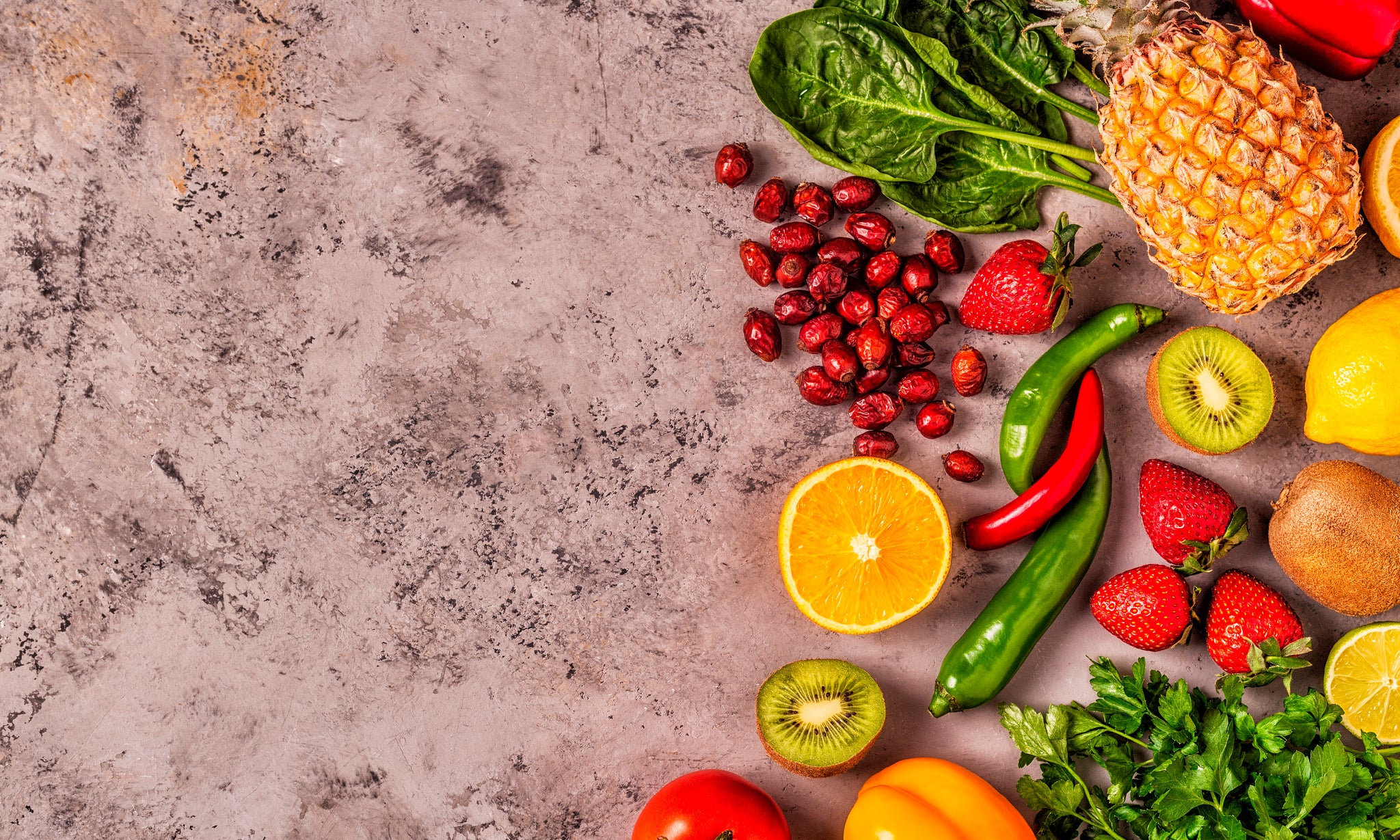
We all know the benefits of eating a healthy diet. Among them, heart health, better mood, increased energy and memory, and strong bones. But, did you know that what you eat plays a role in the health of your skin?
In the past decade, a significant amount of research has been done on nutrition and how it affects the skin. Not surprisingly, the findings show that there is in fact a connection between the foods we eat and the health of our complexion. Diet alone can’t solve skin problems. But, some conditions such as acne and inflammation can be improved with good nutrition.
So what does it look like to eat in a way that is good for the skin? Keep reading to learn all about foods to eat, foods to avoid, common skincare and diet myths, and more.
Healthy skin is about so much more than just the products you put on it. As the age-old saying goes, beauty comes from within.
The health of our skin is essentially a reflection of our inner well-being. Eating a well-rounded diet and drinking plenty of water is likely to promote healthy, youthful skin, while eating a poor diet can lead to dull, dry, and older-looking skin.
Scientists have found that a number of skin conditions have the potential to be linked to diet, such as eczema, psoriasis, or even acne. For example, recent research has found a link between high glycemic diets and the development of acne.
Additionally, diet plays a role in the aging process of our skin. Sagging skin and a loss of elasticity are related to the collagen and elastic fibers of the skin, which are both impacted by diet. Consuming a lot of sugar, for example, promotes cross linking of collagen fibers and can accelerate signs of aging.
Whether you’re currently struggling with particular skin conditions or not, it’s important to know that eating a healthy diet is a preventative measure for your skin. The earlier you start taking care of your body, the better off you’ll be in the long run.
While we unfortunately can’t turn back the clock, nourishing your body with the right nutrients is a proven way to maintain a glowing, more youthful complexion. Here are a few key nutrients to ensure you’re always including in your diet:
In order to nourish your body from the inside out, it’s important to eat a balanced diet. Some foods that offer amazing benefits for the skin include:
The best way to get the nutrients you need for healthy skin is through a well-rounded diet. However, if you are low in certain nutrients, supplements may be a great way to give your body an extra boost.
Beauty supplements contain targeted ingredients like biotin, collagen, and various vitamins. These nutrients work together to nourish your hair, skin, and nails. Essentially, they support healthy cell regeneration, which can boost hair growth and reduce hair loss, strengthen nails, and support glowing, youthful skin.
While companies often advertise supplements as being ‘magic,’ it’s important to take these claims with a grain of salt. Supplements are not replacements for key nutrients that your body relies on to function—rather, they are simply meant to supplement a healthy lifestyle and diet.
The outcome of taking supplements depends on whether you’re deficient in the nutrients they contain. For example, if you’re low in biotin, then consistently taking a biotin supplement may strengthen your hair and nails. However, if your body already has enough biotin, taking it through a supplement unfortunately won’t provide you with drastic results.
As with anything, consult your doctor before incorporating supplements into your routine. A doctor can help to identify nutrients you may be low in and provide specific recommendations for ways to get your body back in balance—whether it be changes to your diet or taking a supplement.
While there are plenty of nourishing foods to choose from, there are also a handful to be careful of when it comes to your skin. Research shows that the following foods may compromise your skin health, but don’t worry—you can enjoy everything in moderation!
A lot of research has been conducted on the connection between diet and skincare, but this unfortunately comes with quite a few myths.
For example, some sources say that eating oily foods can lead to oily skin, while science proves that there’s no direct connection. Oily, fried foods aren’t good for your health, but they aren’t the source of oily skin. Some people are more genetically prone to having oily skin than others, and the best way to address this is most likely by following the right skincare routine.
Dietary fats have different roles and should not all be treated as harmful. A nutritional role, however, does not establish that eating a particular fat prevents sun damage, treats acne or guarantees hydrated skin.
At the end of the day, it’s important to do your own research and listen to sources you trust. When in doubt, consult your doctor or a skincare professional who can separate facts from fiction.
In addition to eating a healthy diet, it’s important to follow a skincare routine. Using the right products on a daily basis can help to prevent acne, target signs of aging, and keep your skin looking and feeling its best.
A good skincare routine doesn’t have to be incredibly complex. At a minimum, make sure you’re following these steps:
This is a basic skincare routine, but if you want to take it to the next level, you can always experiment with different toners, eye creams, masks, and serums targeted to your specific skin concerns.
As you can see, taking proper care of your skin is a commitment. However, it’s one of the best long-term investments you can make in yourself. Whether you have young skin or mature skin, there’s no better time to start caring for it than now. You’ll thank yourself later!
Use the facial sunscreen guide to choose broad-spectrum SPF 30 or higher and apply it properly. FDA guidance explains why tested sunscreen claims, protective clothing and correct use matter; ingredient or nutrition research is not an SPF rating.






