
Your Cart is Empty


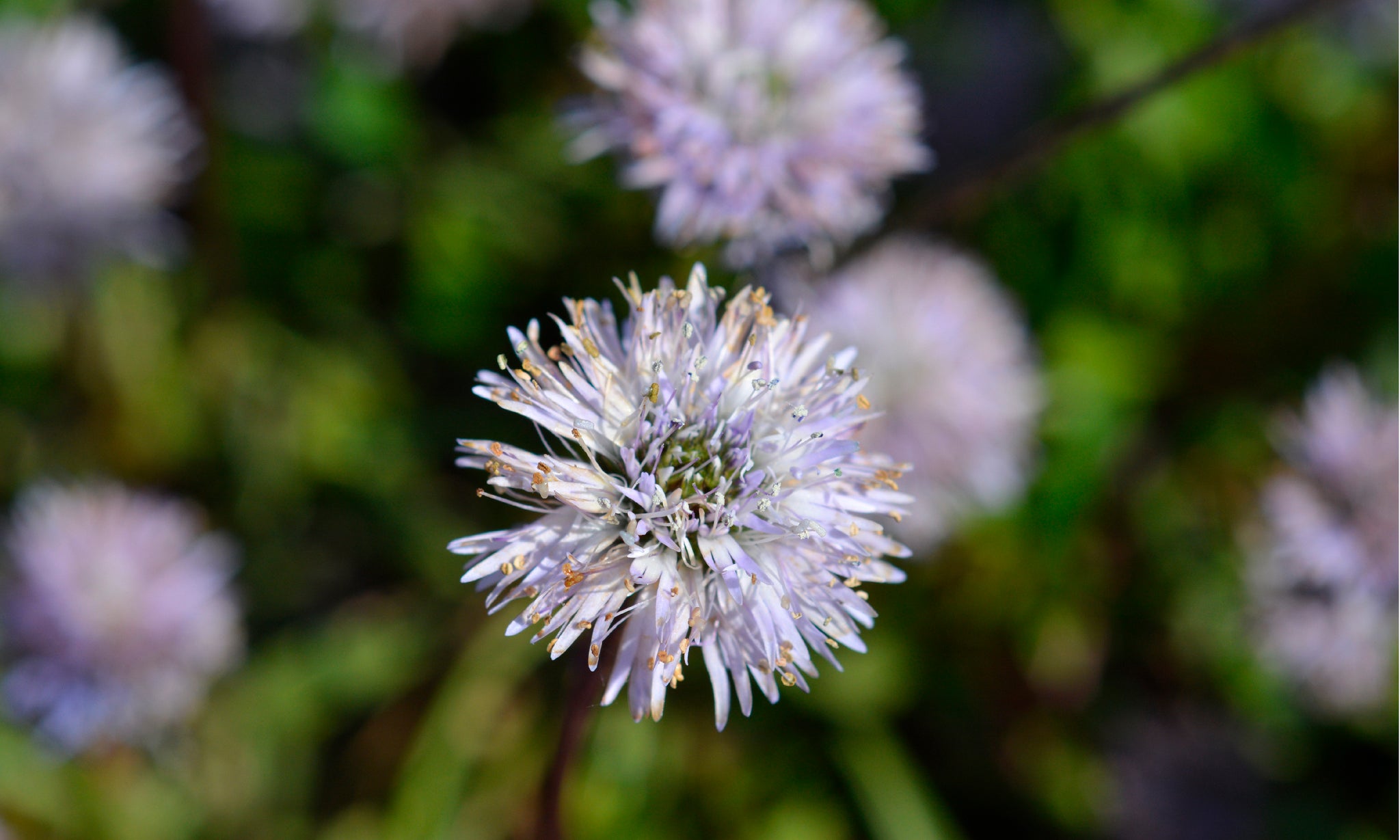
Globe daisy ingredients described as stem-cell skincare are generally botanical cell-culture-derived preparations, not living cells that become part of human skin. Their cosmetic value must be assessed through the identified extract, finished formula and relevant evidence. A stem-cell label alone does not establish regeneration, wrinkle correction or treatment of pigmentation.
One named cosmetic ingredient used in this context is Globularia Cordifolia Callus Culture Extract. The Korea Cosmetic Association ingredient dictionary describes it as an extract from the cultured callus of Globularia cordifolia. Cell culture is a way of cultivating botanical cells and obtaining a preparation from them. The exact ingredient-list name, supplier specification and processing information help establish what a product contains; a cultured extract is different from an intact living-cell treatment.
Applying a botanical culture extract does not transplant plant stem cells into the face or cause them to differentiate into human tissue. A formulation can contain useful botanical constituents without needing that explanation. Claims about multiplying your stem cells, rebuilding skin or healing injuries require evidence beyond an ingredient’s cultivation method.
The tomato cell-culture study sometimes cited in botanical stem-cell discussions investigated laboratory protection of skin cells under experimental conditions. It was not a human trial of a globe daisy cream. A finding for tomato material cannot validate a different botanical source, and a cell experiment cannot establish a consumer anti-aging outcome.
The same caution applies to impressive antioxidant multipliers: a number needs a named material, comparator, method and context. Without those details, it cannot tell a reader what a finished globe daisy cosmetic does on human skin. Botanical origin also does not establish absolute purity or freedom from contamination; production and quality control need their own documentation.
Researchers studying plant-derived PDRN investigate defined DNA-derived materials. A botanical cell-culture extract does not automatically contain an equivalent isolated DNA preparation. The PDRN source guide explains source and characterization questions. The growth-factor comparison also separates extracts, proteins and DNA-derived ingredients.
A comfortable formula may contribute moisture or a smoother surface appearance. That does not establish treatment of acne, scars, infection or hyperpigmentation, or equivalence to a prescription pigment treatment. For the broader cosmetic decisions, use mature-skin guidance and fine-line education rather than treating a culture-extract name as proof of a result.
Botanical does not mean allergy-free. Preservatives, fragrance and other ingredients can influence tolerance alongside the extract. Follow product directions, introduce one new cosmetic on intact skin and seek advice for persistent reactions. The sensitive-skin guide addresses that broader assessment.
Prefer transparent ingredient identity, a suitable moisturizing base and claims matched to actual topical evidence. Source and manufacturing stories can describe a material, but they cannot replace a human study. Avoid inferring a living-cell treatment, a PDRN formula or guaranteed regeneration from the word stem cells.






