Your Cart is Empty


When it comes to the beauty and skincare industry, the marketing divide is clear: products are mostly marketed toward women (often in distinctly feminine packaging with cursive fonts), and those that aren’t are clearly labeled “for men.”
But skin is skin, right? Do we really need completely different sets of products?
Hormones can influence skin thickness, hair and sebum, but individual variation, age and body site matter. A universal percentage difference between all men and women is not a reliable basis for product choice; choose for the person’s skin needs.
By contrast, women’s skin is generally thinner and loses moisture more quickly. According to the American Academy of Dermatology, studies have shown that women can lose up to 30% of their skin’s collagen during early menopause. This lack of collagen results in common signs of aging (lines and wrinkles, sagging skin, age spots).
Daily shaving is another factor to consider. Because it harshly exfoliates the skin, regular shaving can cause irritation from razor burn or ingrown hair follicles. On the flip side, the intense exfoliation from shaving can lead to a smoother, younger-looking complexion.
To be clear, this doesn’t mean that women’s skin is always more dry or that all men’s skin is thicker and oilier. It’s just that, on average, men tend to have oilier skin that is thicker than most women’s.
Aside from these baseline differences, the truth is that much of skincare is universal and not bound by gender. (Skin imperfections can happen to anyone!)
Below, our top 5 unisex skincare favorites that can be boldly displayed on either side of the shelf.
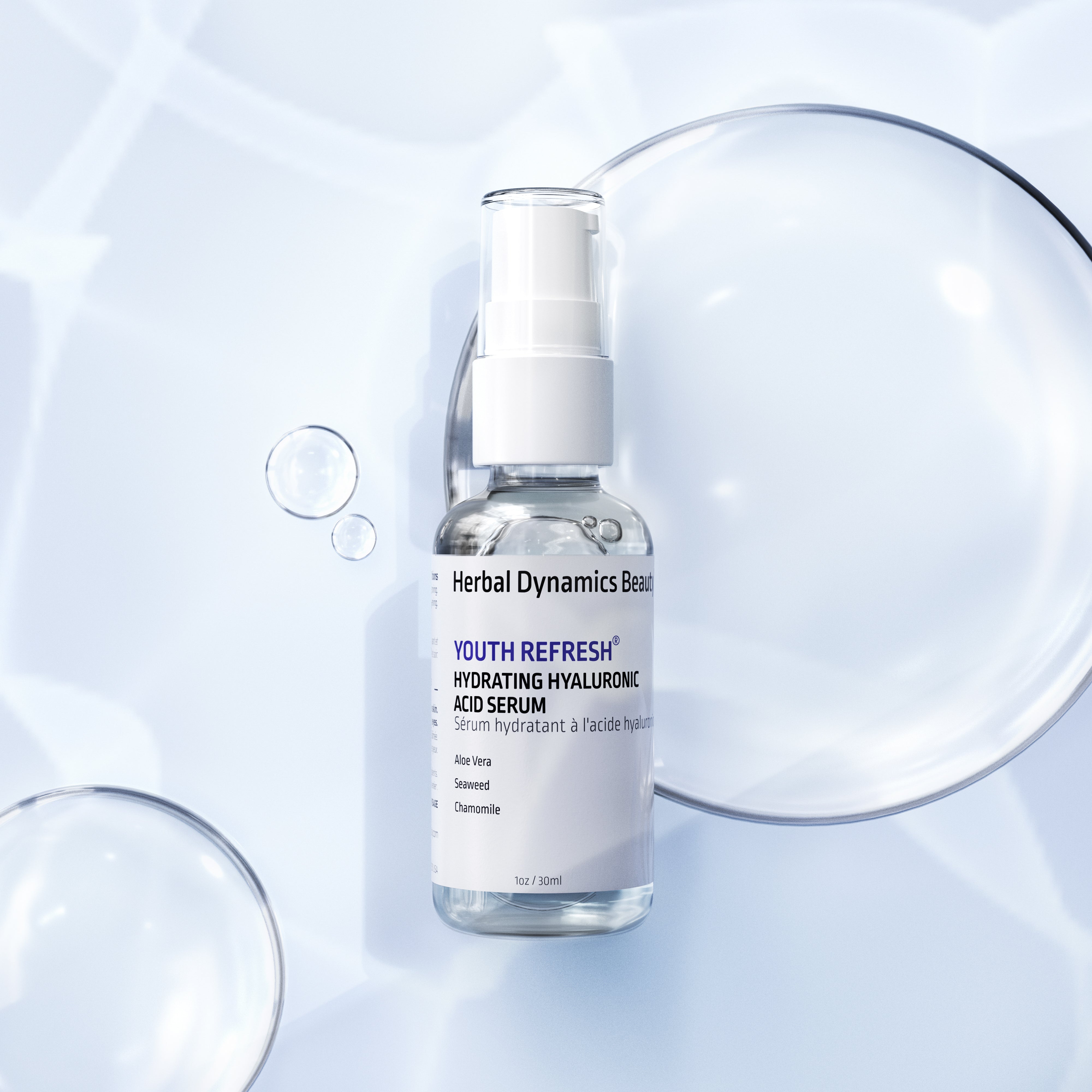
When dryness strikes (winter is coming!), reach for hyaluronic acid. This magical molecule actually works to hydrate skin on a cellular level, which delivers deep, lasting moisture.
Our favorite hydrating serum is designed to plump, soothe, and brighten for super-fresh, balanced skin. The unscented formula is gender-neutral and safe even for those with sensitive skin (artificial fragrances are known to cause irritation).
Tip: Dry skin is also a skin type, not just a temporary or seasonal condition. If this is you, you’ll want to use products with intense hydration to combat dry, flaky skin year round.
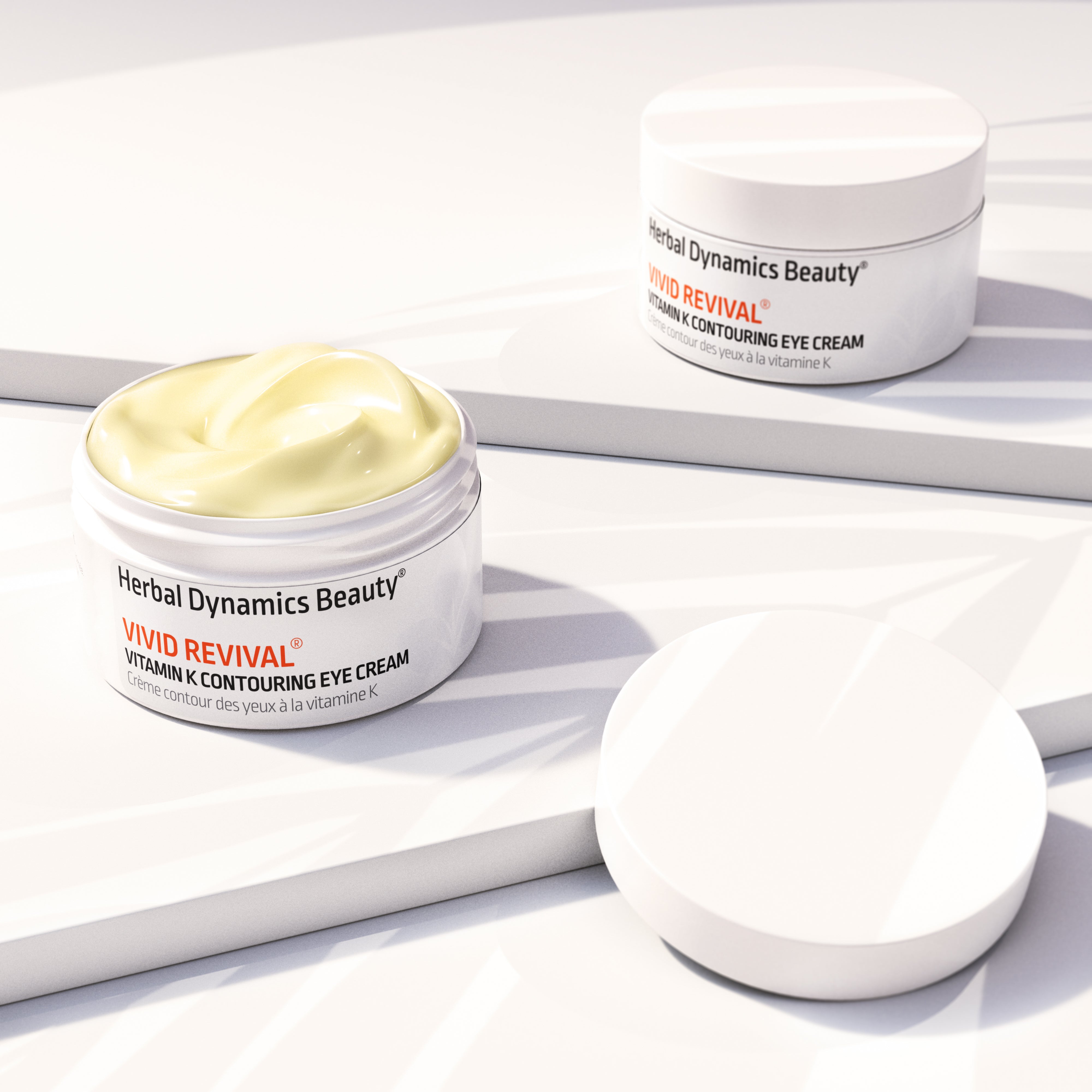
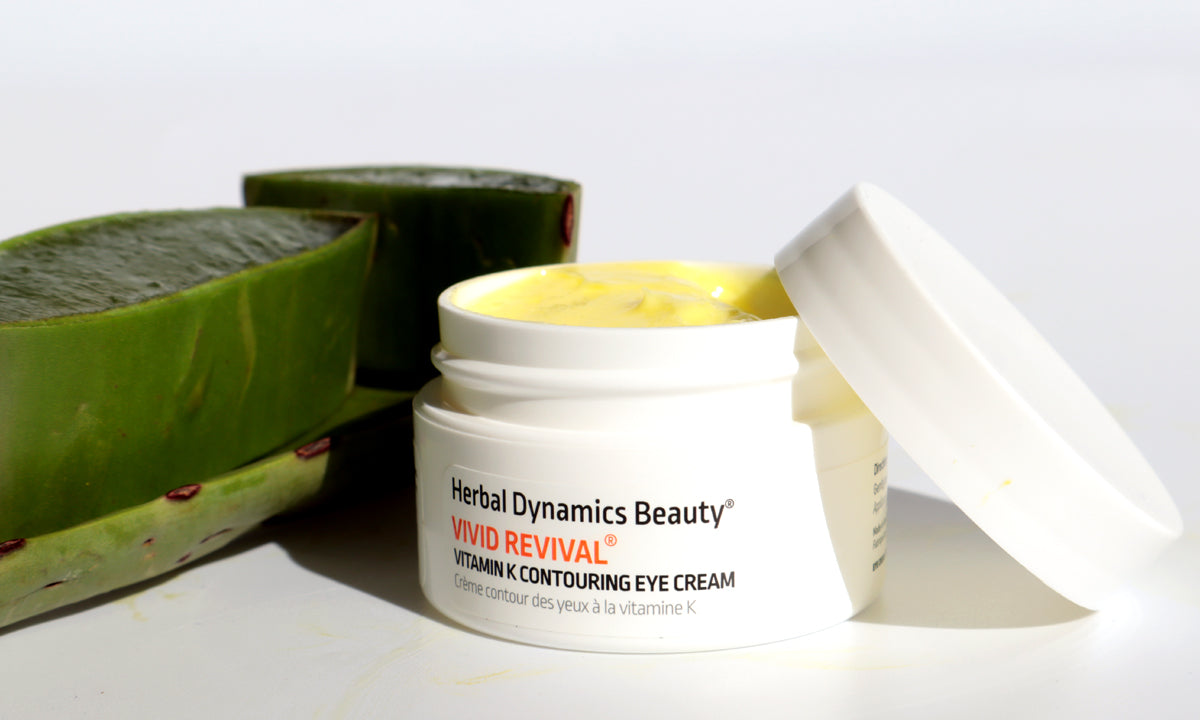
An eye cream can be a useful moisturizer for people who prefer a dedicated eye-area formula. It is optional when a suitable facial moisturizer already meets that need. Read what eye cream can do before adding a step.
Vivid Revival® Vitamin K Contouring Eye Cream combines hyaluronic acid, glycerin, emollient oils, green tea and phytomenadione, with retinyl palmitate. Suitability depends on the whole formula and individual tolerance; botanical does not mean allergy-proof.
Vitamin K eye-area evidence is limited and often involves combination formulas. It does not establish suppression of pigment, while green tea cannot be assumed to remove structural bags. See the Vitamin K evidence review and green tea around the eyes.
Compare eye creams by concern and select a comfortable product with realistic expectations.
Cleansing needs depend on skin and product tolerance rather than gender. A fragrance-free, mild facial wash is a useful starting point for reactive skin. Compare sensitive-skin cleansers.
Micellar water is another removal format, but fragrance, wiping and the complete formula still matter. See micellar water versus cleanser.
If you’re into high intensity workouts that make you sweat, the Ignite Intense Coconut Sweat Activating Gel is for you. Ultra-nourishing ingredients like coconut oil and shea butter help maintain hydration and boost natural skin healing properties, while helping to encourage additional heat and sweating during cardio exercise.
This firming formula packs some serious moisturizing power along with a clean coconut scent to keep you smelling fresh during tough workouts.
Note: This product doesn’t replace a proper warm-up (so no cheating!).
Coconut oil is an emollient, but it is not suitable for every face and is not interchangeable with an emulsifying cleanser. Choose a finished product for its intended use and avoid promising one oil as a solution for every skin type.
Some coconut preparations have been studied for moisturizing and biological activity. Do not generalize those findings to prevention of aging or clinical antibacterial treatment by every coconut cosmetic. Choose the actual product for its intended use and tolerance.
Some of our favorite ways to use this unisex skincare staple:
Tip: If you decide to try coconut oil for skin, always buy organic and unrefined. Look for labels reading “raw,” “virgin,” or “cold-pressed.”
We recommend shopping by skincare concern rather than gendered packaging. Everyone’s skin is slightly unique, so whether you’re dealing with dryness, photodamage, acne, or some other imperfection, it’s important to make sure the products you use are meeting your individual skincare needs.
See the facial-cleanser guide for cleanser formats and selection.
Content updated October 8, 2026.