Your Cart is Empty


You cannot permanently close pores or make skin poreless. Their appearance is influenced by oil, follicular contents, skin structure and lighting. Care can reduce some contributors to visibility without removing the follicles themselves.
A pore that looks prominent does not necessarily contain an acne plug. Small uniform dots on the nose may be normal sebaceous filaments. Distinct dark or closed plugs are better addressed through comedone care.
This difference matters: repeatedly extracting normal material can create irritation without a lasting improvement.
The AAD recommends gentle skin care, appropriate acne care and sun protection. A comfortable cleanser can remove surface residue. An appropriate acne medicine may reduce comedones. Sunscreen helps protect the surrounding skin from ongoing UV damage.
Retinoids may have a role when acne or photoaging is also present, but they require label-directed use and pregnancy precautions. A cosmetic retinol is not interchangeable with every acne retinoid. Avoid adding one solely because a magnifying mirror makes ordinary skin texture look dramatic.
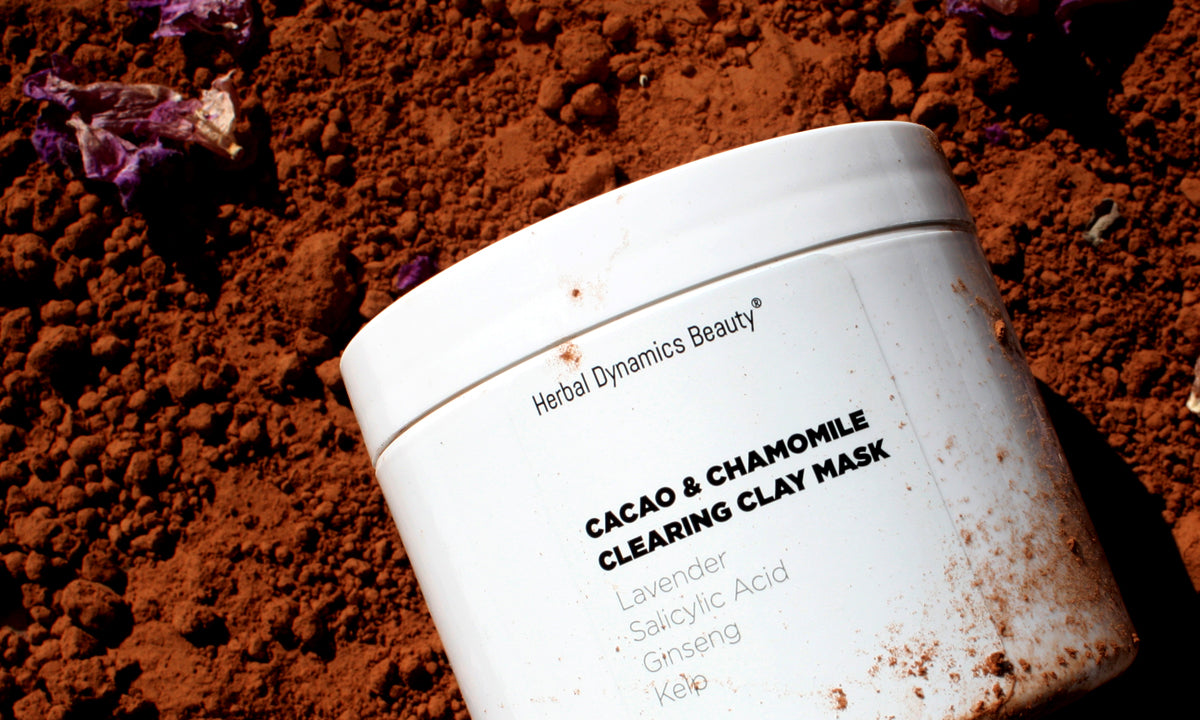
Blotting, a matte finish or a clay mask may temporarily reduce shine. Hydration can change how surface texture looks. These effects are different from permanently changing gland size or eliminating pores.
Cold water does not close pores, steam does not open them like doors, and a tight astringent feel is not proof of remodeling. Avoid harsh scrubs, repeated suction and home extraction tools.
If acne, scars or substantial texture changes are the real concern, a dermatologist can identify the issue and discuss options. Procedures have costs, recovery needs and risks; they are not required for normal visible pores.
For a shiny central face, use the T-zone guide. For choosing products around actual acne, use the acne-prone skincare guide.
For roughness alongside pore visibility, compare the causes of uneven texture before buying a texture-focused exfoliant. The exfoliation guide keeps the goal separate from a promise of poreless skin.
A tight post-mask feeling is not permanent pore shrinkage. See clay-mask benefits and research and the pore-mask buying guide.
Niacinamide for pore appearance separates oil-related cosmetic effects from a claim of permanent shrinkage. Use the ingredient guide for the broader benefits and niacinamide for oily skin when shine is the main issue. Distinct plugs still belong to clogged-pore care.
By Herbal Dynamics Beauty • Updated September 25, 2026