Your Cart is Empty


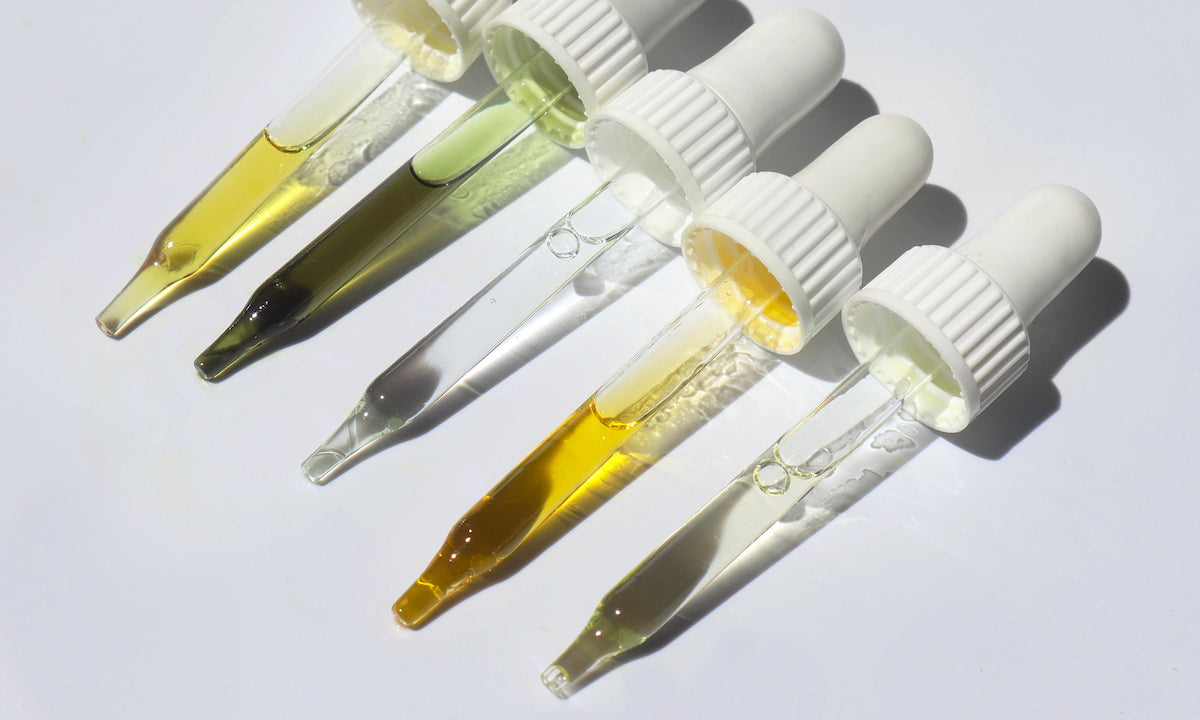
Sebum is the lipid-rich oil produced by sebaceous glands. It helps lubricate the skin and hair. It is not the same as sweat or water content, and having more sebum does not guarantee that skin is well hydrated.
Many sebaceous glands connect to hair follicles. Their secretions travel toward the skin surface, where they mix with other surface material. The face, scalp, chest and back can be especially oily. Sweat comes from different glands and is largely water; sweating and oiliness can occur together without being the same process.
Sebum contains a mixture of lipids, including triglycerides and their breakdown products, wax esters and squalene. The proportions vary. It is not simply “dirt,” nor is it identical to a plant oil applied from a bottle.
Squalene and squalane are different: squalene is an unsaturated lipid found in sebum, while squalane is its hydrogenated, more stable relative commonly used as a cosmetic emollient. Neither ingredient's presence in a formula proves that it treats acne.
Squalane versus squalene explains their chemical structures and why oxidation findings should not be transferred between them. For cosmetic use, the squalane guide keeps the softening role separate from claims about regulating sebum.
Surface oil, water in the outer skin and the organized lipids of the skin barrier have related but distinct roles. Skin can be oily and dehydrated at once. Conversely, applying facial oil alone may not address the needs of skin that benefits from water-binding ingredients and a complete moisturizer.
See dry skin versus dehydrated skin and the role of ceramides for these distinctions. A tight sensation after washing does not establish a hormone imbalance.
Sebum is one part of acne biology, alongside abnormal follicular plugging, inflammation and microbial interactions. NIAMS describes these overlapping processes. Not everyone with oily skin has acne, and acne also occurs in people whose skin feels dry.
Sebaceous filaments are normal oil-carrying structures. A blackhead or whitehead is a comedone. Confusing the two can lead to unnecessary extraction and irritation.
“Balancing” is vague marketing unless the product specifies what was measured. A cleanser can remove surface oil; a clay can absorb some of it; a moisturizer can improve comfort. Those effects are not the same as changing gland production.
Some niacinamide formulations have shown changes in sebum measurements, but results varied across study groups. That cannot be extended to every niacinamide serum or a permanent change in skin type. Read what causes excess sebum for factors that affect production.
Do not try to eliminate all oil through repeated washing or alcohol wiping. Do not take hormones, androgen-boosting supplements or other supplements to correct a cosmetic impression of “low sebum.” Sudden skin changes together with other symptoms deserve clinical assessment.
For day-to-day care, choose tolerable cleansing and moisturizer textures. If acne is present, use an evidence-based plan instead of assuming that one plant oil will replace the skin's lipids and cure breakouts.
Cleansing removes surface oil but does not reliably switch off oil glands. See oily-skin cleanser choices and washing frequency and irritation.
The niacinamide oiliness guide explains why casual surface oil and sebum excretion are different endpoints. The broader niacinamide guide covers its other roles. A less shiny finish does not establish that a product changed gland production; use the buying guide to compare the whole formula.
Once you have identified your current skin pattern and tolerance, use the skin-type product-selection guide to choose a comfortable wash, moisturizer and optional targeted steps. This turns the skin assessment into a practical formula decision.
If acne or lingering marks coexist with shine, azelaic acid for oiliness and pores separates those treatment goals from an assumption that one ingredient permanently suppresses sebum.
For the protection step alongside oil management, compare sunscreens for oily or combination skin. A comfortable full application matters more than choosing the most matte finish.
By Herbal Dynamics Beauty • Updated October 8, 2026
Oiliness and sensitive skin can overlap. Skin-type assessment helps organize product choices, while excess sebum causes separates shine from a diagnosis or a need to strip the surface.