Your Cart is Empty


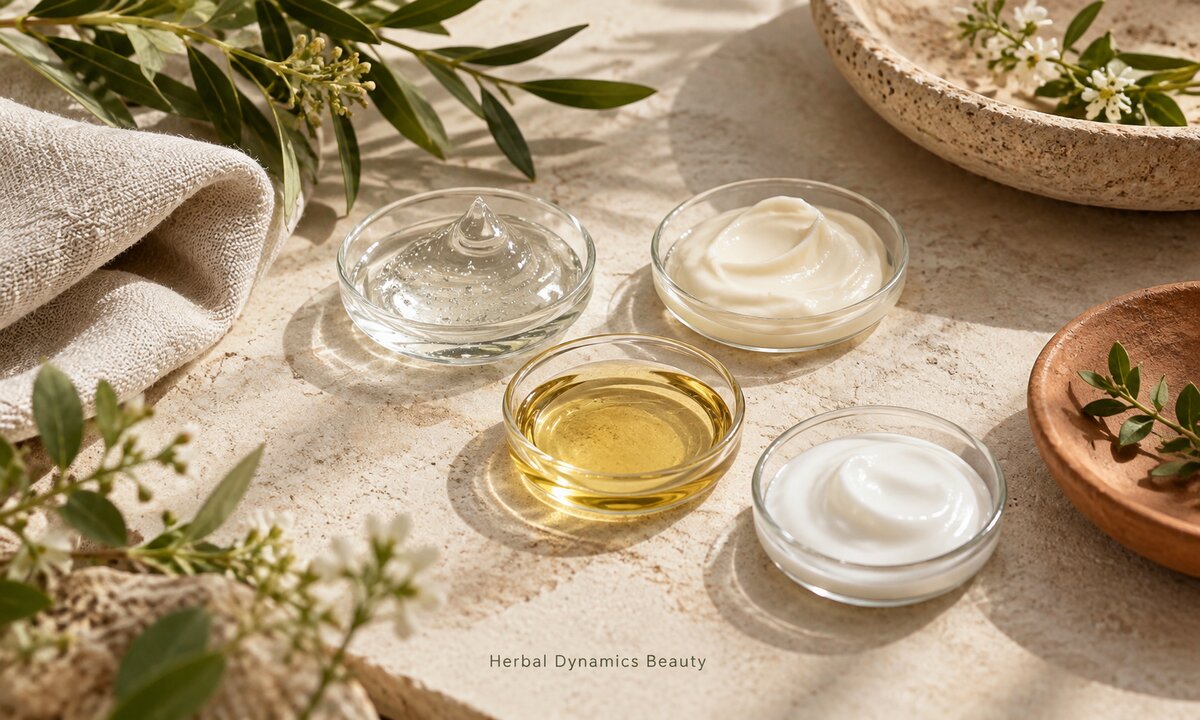
The best squalane product is one that adds a useful function to your current routine and suits your skin’s tolerance and texture preferences. Start with the format: a pure oil, a blended serum and a moisturizer containing squalane are different products, even when they share the same headline ingredient.
If you are still deciding what the ingredient does, begin with squalane for skin. Then use the criteria below to choose a formula rather than a ranking position.
| What you want | Formula to assess | Check before choosing |
|---|---|---|
| An optional softening layer over a familiar moisturizer | Plain squalane oil | Whether the extra finish improves comfort |
| One moisturizing step | A cream or lotion containing squalane | Humectants, other emollients and the overall protective finish |
| A treatment plus an emollient vehicle | An active serum containing squalane | The active’s evidence, directions and precautions |
| A blended botanical-oil experience | Squalane mixed with other oils | Every added oil, fragrance and essential oil |
Our squalane oil versus moisturizer comparison and oil versus serum guide explain these format choices.
For a product described as pure squalane, check that the ingredient list matches that description. In a blend, identify what else the formula introduces. “Squalane serum” does not tell you whether the product contains water, fragrance, retinol or acids.
A higher squalane percentage is not automatically a better moisturizer. A plain oil and a multi-ingredient cream are designed for different jobs. Check whether your existing products already provide the same function before adding another step.
Look for a specific manufacturer statement if you prefer olive-derived, sugar-derived or verified non-animal sourcing. The ingredient name alone does not certify provenance. The sourcing guide explains manufacturing and the limits of broad “natural” claims.
Choose a finish you will actually enjoy using. A lighter feel can be a preference, but does not prove better acne or barrier outcomes. Squalane versus hemisqualane clarifies the labels; the jojoba and rosehip comparison covers other emollient options.
Look for clear directions, a container you can keep clean and a size you can use within its stated opening period. Follow the product’s shelf-life and storage guidance.
RevitAge™ Antioxidant Transforming Night Cream lists olive squalane, glycerin, dimethicone and niacinamide. It is a blended cream, not pure squalane oil. The ingredient list also includes sweet orange oil and retinyl palmitate, which matter when reviewing sensitivity and compatibility with other actives.
Use that example to practice reading a formula; suitability still depends on your own needs. The presence of squalane does not establish clinical results for the whole cream.
Read the application guide and the compatibility guide. Introduce one change, assess tolerance and keep the rest familiar. If your routine already leaves skin comfortable, the best choice may be to keep using it without a separate oil.