Your Cart is Empty


The best CoQ10 skincare product is one that serves a clear purpose in a routine you can comfortably maintain. Look for Ubiquinone or another clearly identified CoQ10 form, a suitable moisturizing base and claims supported by the finished formula. A higher price, longer antioxidant list or more concentrated-sounding name does not settle that choice.
Start with what CoQ10 research shows, then use the questions below to evaluate a bottle rather than shopping by ingredient reputation alone.
| Your priority | What to evaluate | What CoQ10 alone cannot establish |
|---|---|---|
| Dry-feeling skin | Humectants, emollients and enough moisturizer for comfort | How long the complete formula will moisturize |
| Fine lines or mature skin | Evidence for a visible outcome with the actual formula | A guaranteed wrinkle reduction or lifting effect |
| Dullness | Whether you mean dryness, surface finish or uneven pigment | That an antioxidant claim means dark-spot treatment |
| A lightweight optional layer | Texture, layering and whether an extra step is useful | That a toner delivers better results than a cream |
If your existing routine already meets the goal, you do not need an additional CoQ10 step. The fine-lines evidence guide and the guide to CoQ10 and dullness help separate those two common reasons for buying.
Ubiquinone is a common ingredient-list name for CoQ10. Ubiquinol is its reduced form. Those names describe chemistry; they do not rank two finished products. Read ubiquinone versus ubiquinol if the label is unclear.
A list can confirm that an ingredient is present, but it does not provide its exact percentage, delivery to skin or stability through the product's use. A percentage, when disclosed, is still only one part of formulation. There is no universal CoQ10 percentage established here that makes every toner, serum and cream effective.
A 2021 analytical study of marketed cosmetics emphasized the need for more research on effective CoQ10 concentrations. Its practical lesson is to ask for relevant evidence, rather than inventing a minimum from where Ubiquinone appears on a label.
A toner can add a light layer after cleansing. A serum may offer a different texture or combination of ingredients. A moisturizer should first meet your needs for softness and moisture retention. None of these names defines CoQ10 dose or performance.
For example, someone comfortable with a cleanser, cream and sunscreen might prefer a CoQ10 moisturizer when replacing their cream. Someone who likes an optional hydrating layer may consider a toner. The CoQ10 format comparison explains why delivery depends on the vehicle, not simply its thickness.
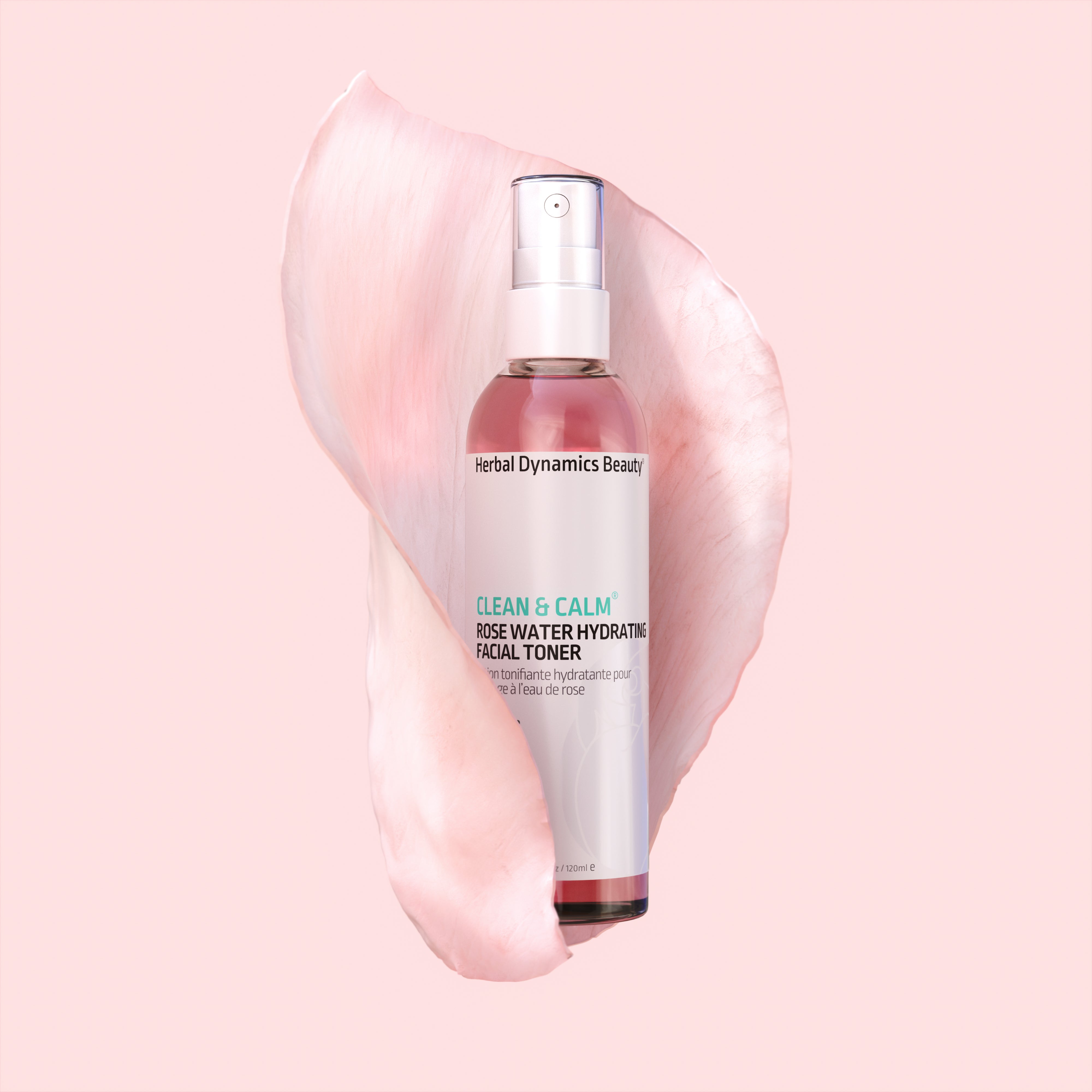
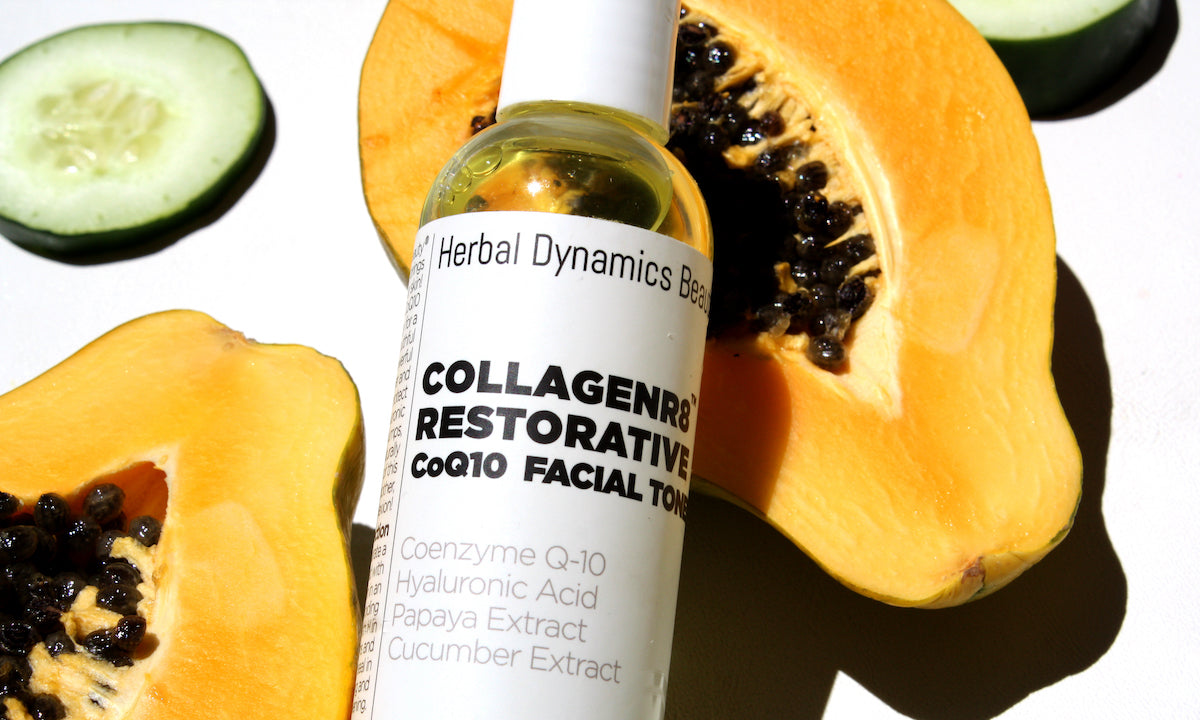
CollagenR8® Restorative CoQ10 Facial Toner contains Ubiquinone, hyaluronic acid, aloe and astaxanthin, with botanical extracts. It is an option for someone who wants a separate toner step and tolerates the full formula. Review the toner ingredient guide and the current product label before choosing it.
No CoQ10 percentage or finished-toner wrinkle trial is supplied in this guide. Its botanical ingredients also make individual tolerance relevant. An antioxidant ingredient is a reason to understand a formula, not a promise that the bottle will rebuild collagen.
Packaging can help protect a formula, but its appearance does not prove stability. See CoQ10 storage and shelf life before decanting or refrigerating a product.
Keep the rest of your routine steady while assessing a new product. Note comfort, texture and the specific appearance you hoped to improve. Use the CoQ10 application guide for order and frequency, and the tolerance guide if sensitivity or breakouts are a concern.
Continue daily sun protection. A pleasant antioxidant layer can complement that habit; it cannot supply an SPF that is absent from its label.
By Herbal Dynamics Beauty · September 30, 2026