Your Cart is Empty


CoQ10 can fit into routines containing other skincare ingredients, but compatibility depends on the finished products and your tolerance. An ingredient-pairing chart cannot establish that every bottle will layer well or that the combination provides added benefit. Follow the most specific directions in the routine.
The CoQ10 overview covers its role. Use the table below to decide whether another product serves a separate purpose, rather than adding every potentially compatible ingredient.
| Pairing | Practical approach | Important limit |
|---|---|---|
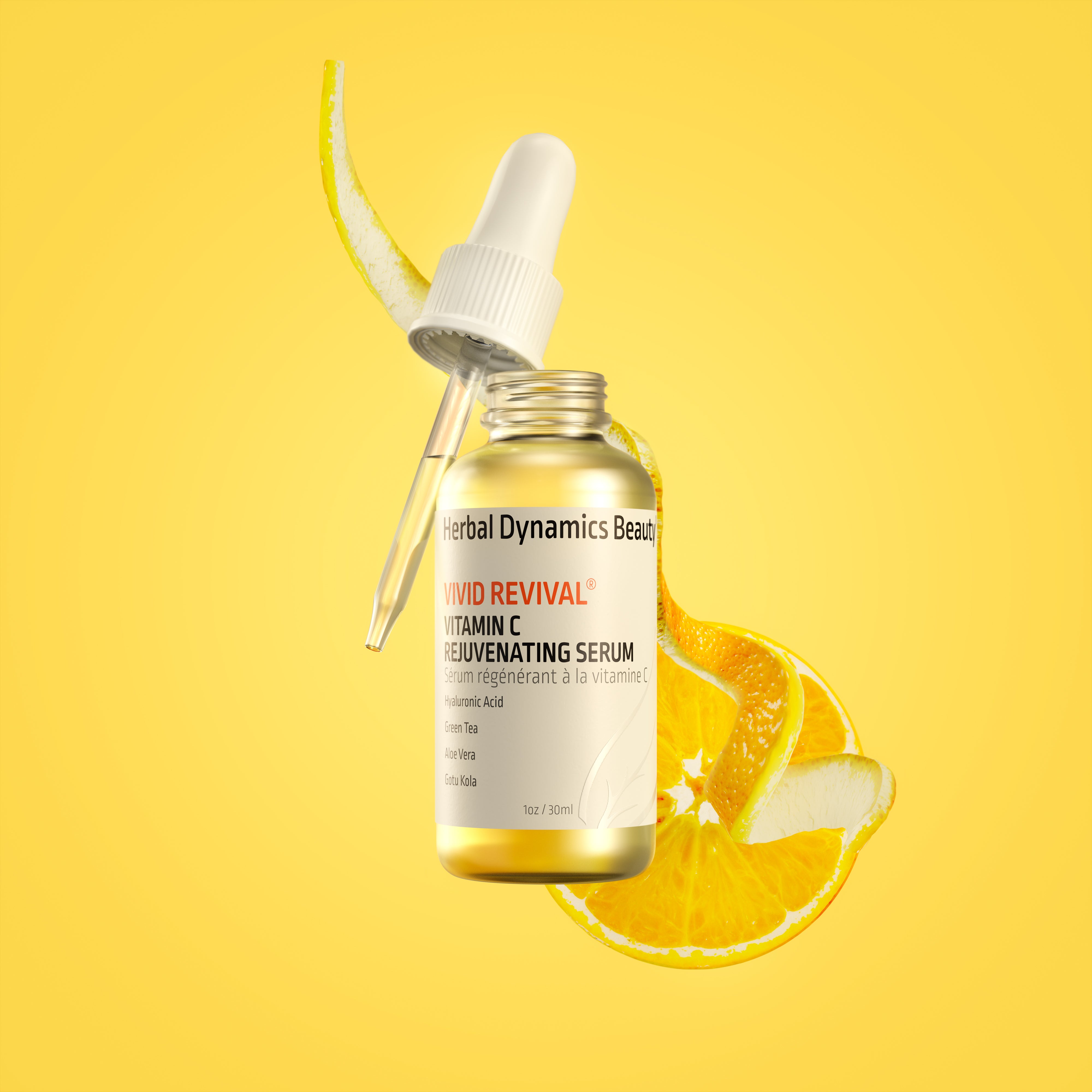
| Vitamin C | Keep a comfortable vitamin C product if it serves your goal; introduce CoQ10 separately | Do not assume every form or pH feels the same |
| Vitamin E | Check whether it is already in your moisturizer | A second antioxidant product is not automatically necessary |
| Hyaluronic acid | Evaluate the hydration and feel of the complete formula | A humectant layer may still need moisturizer |
| Niacinamide | Follow the formula's instructions and introduce changes one at a time | The combination alone does not establish an acne or pigment outcome |
| Peptides | Preserve product-specific mixing and application guidance | CoQ10 does not turn a peptide product into a proven collagen treatment |
| Retinol or another retinoid | Give the retinoid's directions priority; separate times if simpler | CoQ10 does not cancel retinoid irritation |
| Green tea | Review the whole extract-containing formula and known sensitivities | Botanical origin does not guarantee tolerance |
A manufacturer may formulate antioxidants together for specific reasons. That is different from a consumer mixing two finished products. Evidence for one combination does not demonstrate equivalent stability or performance after altering another formula.
CoQ10 versus vitamin C and CoQ10 versus vitamin E explain the ingredient differences. Keep products in their original containers and layer according to their labels.
If you use a retinoid on clean, dry skin as directed, an optional CoQ10 product does not need to interrupt that step. A morning CoQ10 layer and an evening retinoid may be easier to manage, provided each product is suitable for those times.
The retinol combination guide covers the stronger active's considerations. For peptides, use the peptide pairing guide rather than assuming all peptide systems have identical restrictions.
Introducing CoQ10 does not require increasing retinoid frequency. If the routine is already irritating, address that before adding another cosmetic.
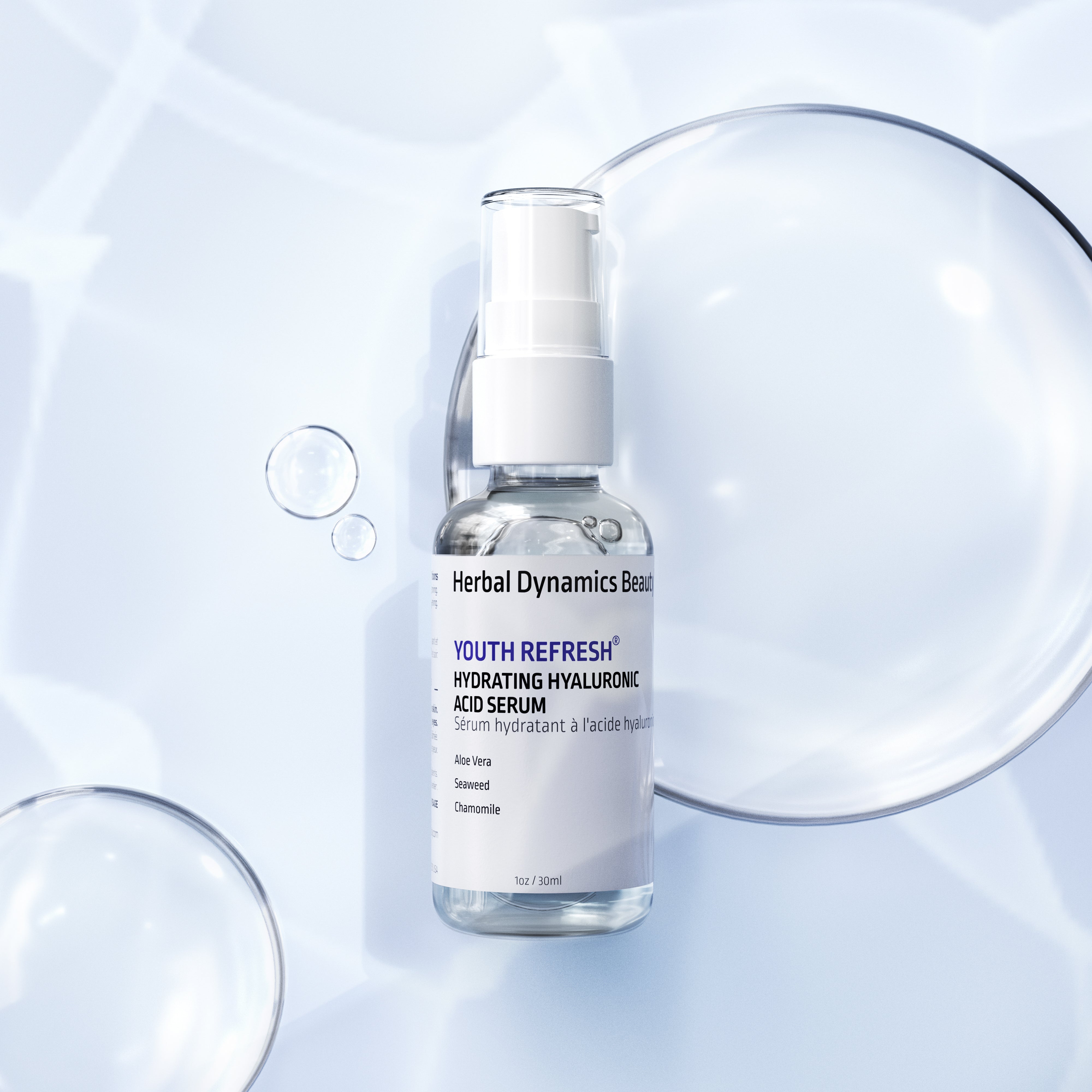
Hyaluronic acid, niacinamide and botanical extracts often appear in multi-ingredient formulas. Assess what the finished product adds: hydration, a preferred texture or another well-defined goal. A list of compatible names does not mean every ingredient needs its own serum.
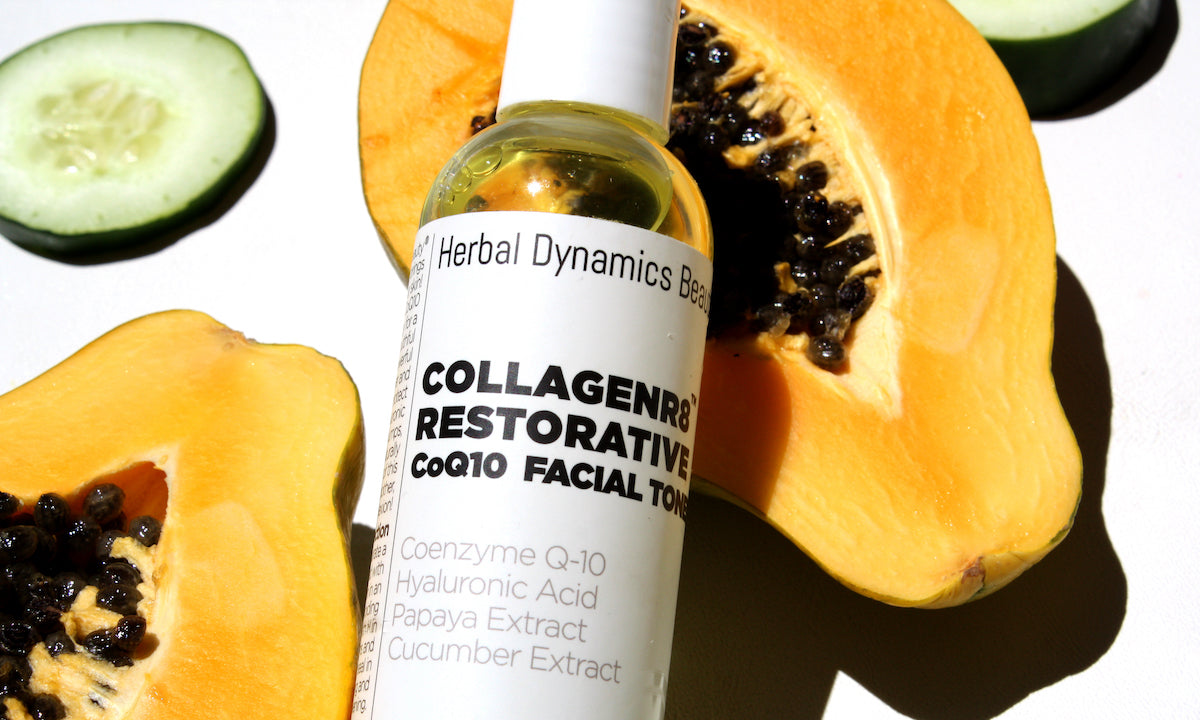
For example, CollagenR8® Restorative CoQ10 Facial Toner already combines Ubiquinone with hyaluronic acid, aloe and other ingredients. Someone choosing it for a light layer may have no need for a separate hyaluronic-acid step. Review its full formula before making that decision.
If green tea is your main interest, the antioxidant comparison explains why extract identity and the studied preparation matter.
One optional antioxidant step: Cleanse, use the chosen CoQ10 product in its appropriate position, moisturize as needed and apply sunscreen in the morning.
Separate routines: Keep a tolerated antioxidant product in the morning and an established treatment at night, adding CoQ10 only if it serves a useful role. This is a convenience option, not a rule that the ingredients must be kept apart.
The application guide covers product order. For sensitivity or breakouts, use the tolerance guide. For a purchase, the selection checklist helps decide whether another product is worthwhile at all.
By Herbal Dynamics Beauty · September 30, 2026