Your Cart is Empty


Apply moisturizer gently after cleansing, while skin is still slightly damp if that feels comfortable and the product directions allow. Use enough for a thin, even layer, then adjust by area and texture. Morning and evening are useful starting points—not a rule that every face needs the same amount or schedule.
If moisturizer burns, do not massage harder or keep adding it. See our stinging guide below and stop products that cause persistent discomfort.
There is no universal coin-size dose for every face cream. Pump size, spread, body area and your skin’s needs differ. Begin with enough for even coverage and add a little to patches that remain dry. Follow specific label instructions.
Persistent greasiness or pilling can mean the amount or layering needs adjustment; persistent tightness can mean the formula or cleansing routine needs review. Neither automatically diagnoses pore clogging or barrier damage.
| Situation | Usual sequence | Caution |
|---|---|---|
| Basic morning | Gentle cleanse if needed → moisturizer → sunscreen | Use sunscreen as labeled and apply its full recommended amount |
| Hydrating serum | Cleanse → optional water-based serum → moisturizer | Extra serum is not essential |
| Evening | Cleanse → moisturizer | Prescription treatment order follows its instructions |
| Irritated skin | Gentle cleanse as needed → tolerated moisturizer | Skip optional exfoliating and fragranced steps |
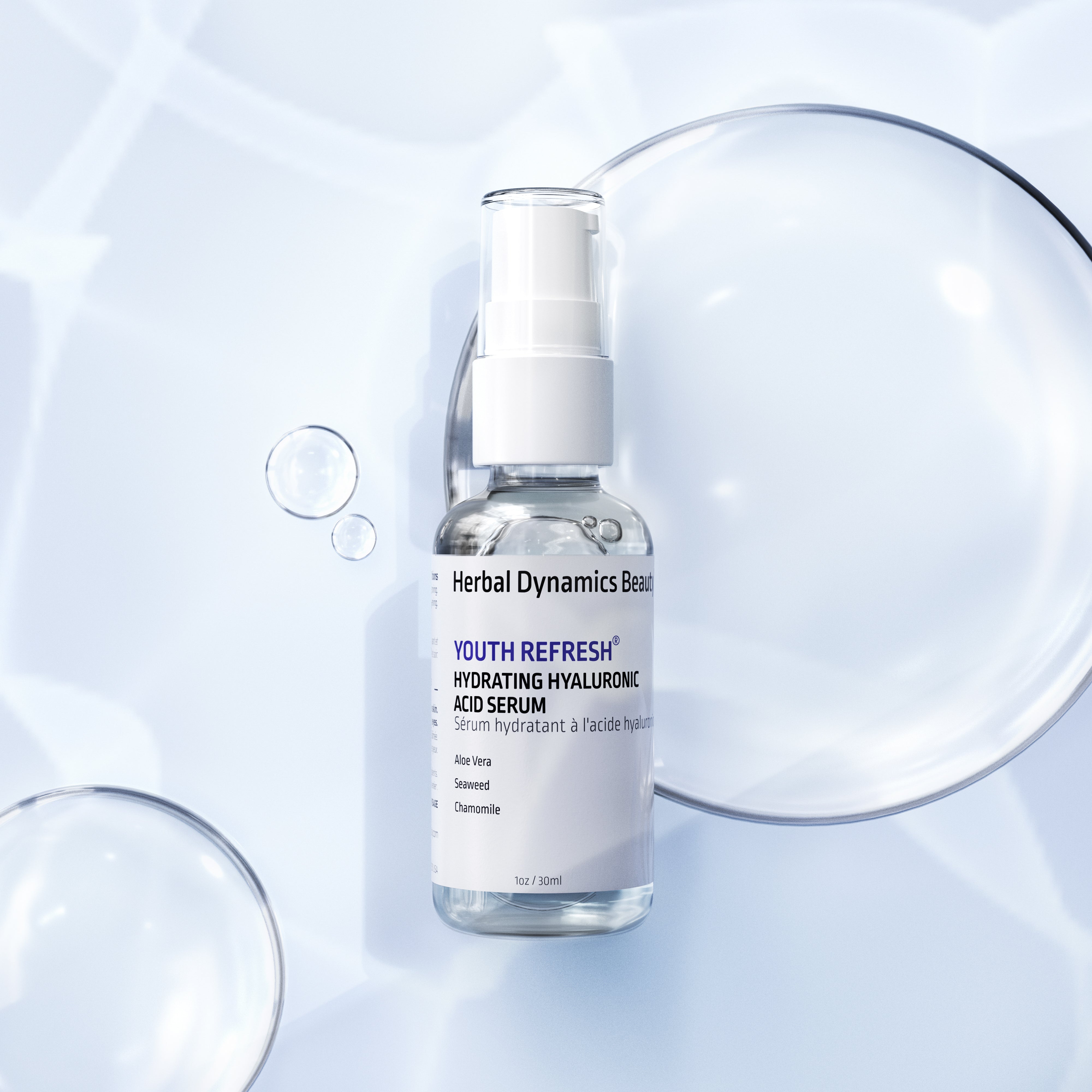
A tolerated Youth Refresh® Hydrating Hyaluronic Acid Serum can be an optional humectant step, but it does not replace the moisturizer’s broader functions. Do not mix sunscreen into moisturizer: that can compromise using the sunscreen as tested.
Use moisturizer when needed for comfort and after washing, guided by the product and any clinician instructions. A morning/evening routine may be enough for a face, while hands washed often may need more frequent application. Constantly layering products onto painful skin is not a substitute for identifying a trigger.
If you need a complete plan rather than application mechanics, use the barrier-care routine. If dryness persists, examine why skin feels tight after moisturizing.
Damp-skin application can help retain water after washing. It does not mean every active should be applied to wet skin: a retinoid or prescription treatment may have different instructions. If your face is unusually reactive, do not force a technique that stings; simplify and seek guidance.
You do not need a scented facial mist to make a moisturizer work. Avoid adding water to the container or diluting the stored formula, which can interfere with preservation.
For textures and ingredient roles, read how moisturizers work. For purchasing decisions, use the barrier-product guide. A well-applied cosmetic can improve comfort and surface hydration, but cannot promise permanent wrinkle prevention, oil balancing or treatment of a persistent rash.
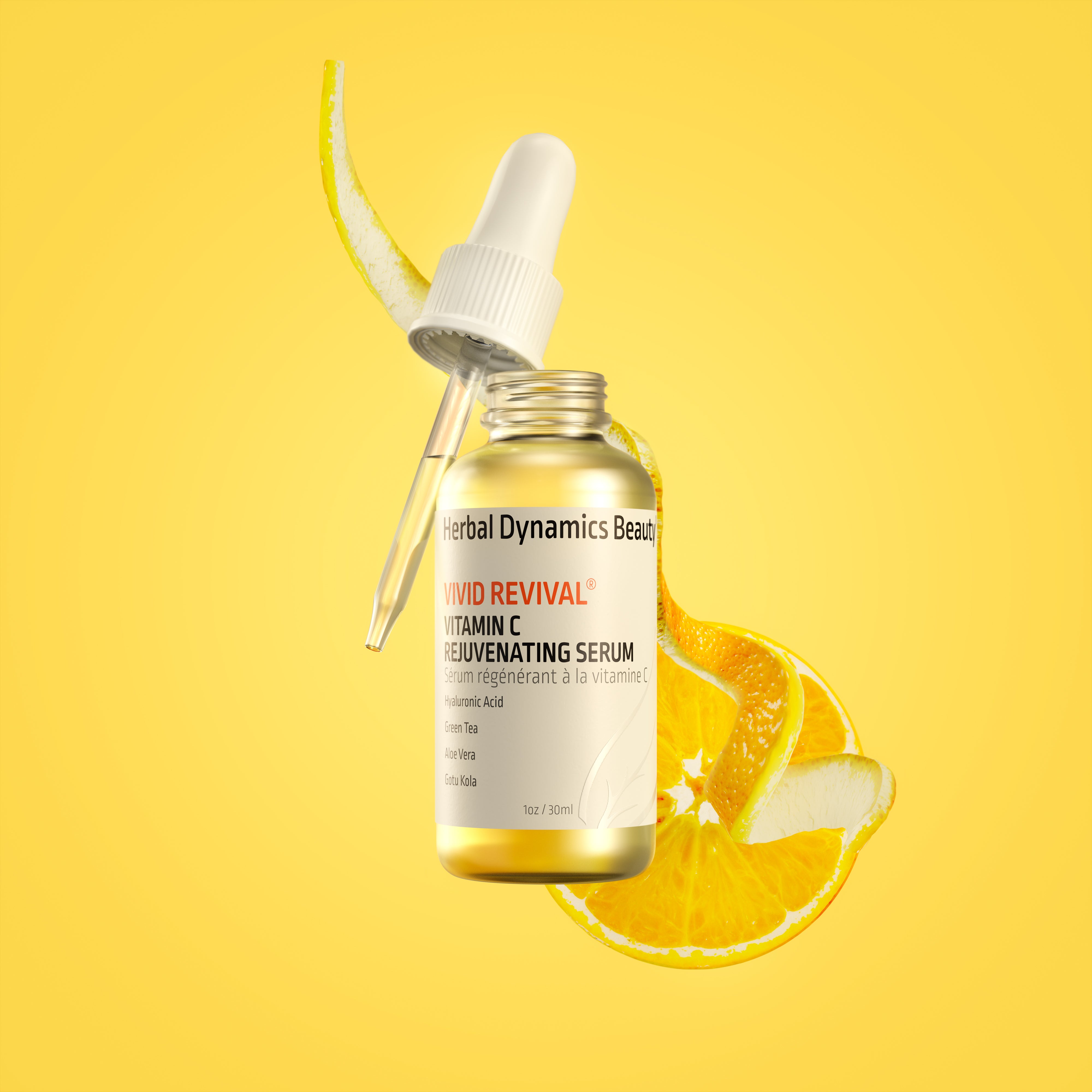
A compatible water-based vitamin C serum usually goes before moisturizer; follow its directions and use the vitamin C routine guide for details. After exfoliating, follow the product’s contact-time and rinsing instructions, then use a tolerated moisturizer. A serum is optional and does not automatically replace a cream. If you are deciding which formula to use, start with moisturizer selection or the buying guide.
After a rinse-off mask, use a tolerated moisturizer as needed; an overnight cream mask may already fill that role. Mask application order covers the format-specific steps.
For arms, legs and trunk, use how to moisturize your body, which covers showering, large-area application and reapplying to dry patches.
By Herbal Dynamics Beauty • Updated September 24, 2026
General cosmetic education, not a diagnosis or treatment plan. Persistent, painful or worsening skin symptoms need professional assessment.