Your Cart is Empty


“Tired-looking eyes” describes an appearance, not one skin problem. An eye cream may help dry texture, but temporary swelling, pigment, visible vessels and structural shadows call for different expectations. Identify the feature you want to change before buying another product.
| What you notice | Useful next step |
|---|---|
| Tightness or makeup catching on dry creases | Check for dryness and irritation |
| Puffiness that changes through the morning | Review temporary puffiness care |
| Brown or blue-purple color | Identify the dark-circle pattern |
| A persistent hollow or raised bag | Understand structural shadows |
| Itching, scaling or burning | Stop and assess irritation |
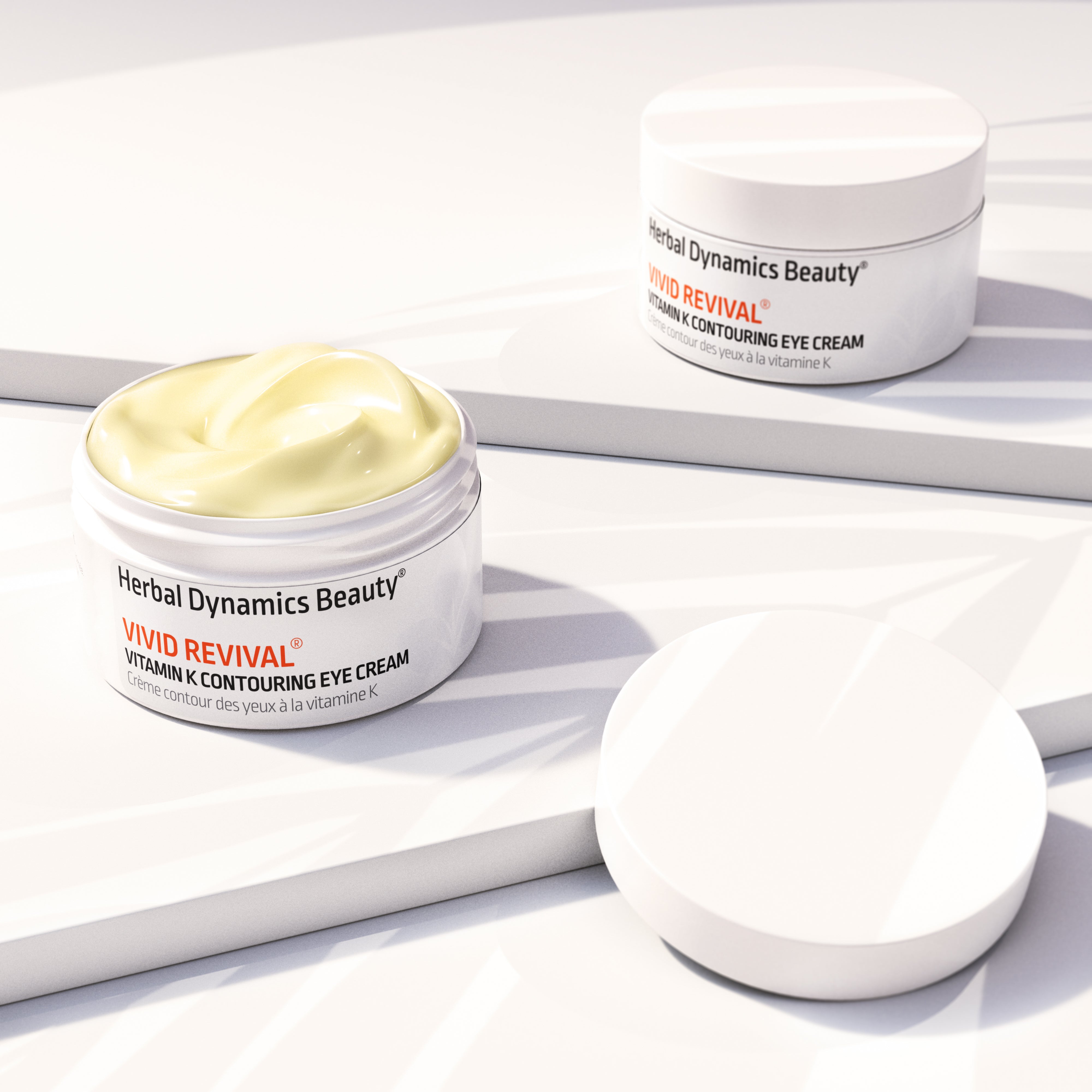
A tolerable moisturizer can improve comfort and the appearance of dry surface lines. Some formulas add retinoids, peptides or ingredients marketed for temporary puffiness. These are separate cosmetic goals, and results depend on the finished product.
You may not need a separate eye cream if a suitable facial moisturizer is permitted around your eyes and works comfortably there.
Insufficient sleep can contribute to a tired appearance, but persistent dark circles do not prove that you need more sleep. Inherited features, allergy-related rubbing, pigmentation and anatomy can matter too. An eye cream cannot diagnose the cause of persistent fatigue.
Use gentle cleansing, avoid rubbing and choose one moisturizer or targeted eye formula. A clean cool cloth may help temporary morning puffiness. Do not put ice directly on eyelid skin or assume every cosmetic should be refrigerated.
Compare named products in the main eye-cream buying guide; if discoloration is the main problem, use the dark-circle buying guide.
Persistent unexplained fatigue, a recurring eyelid rash or swelling deserves attention beyond cosmetic selection. Seek prompt care for eye pain, vision change or sudden significant swelling.