Your Cart is Empty


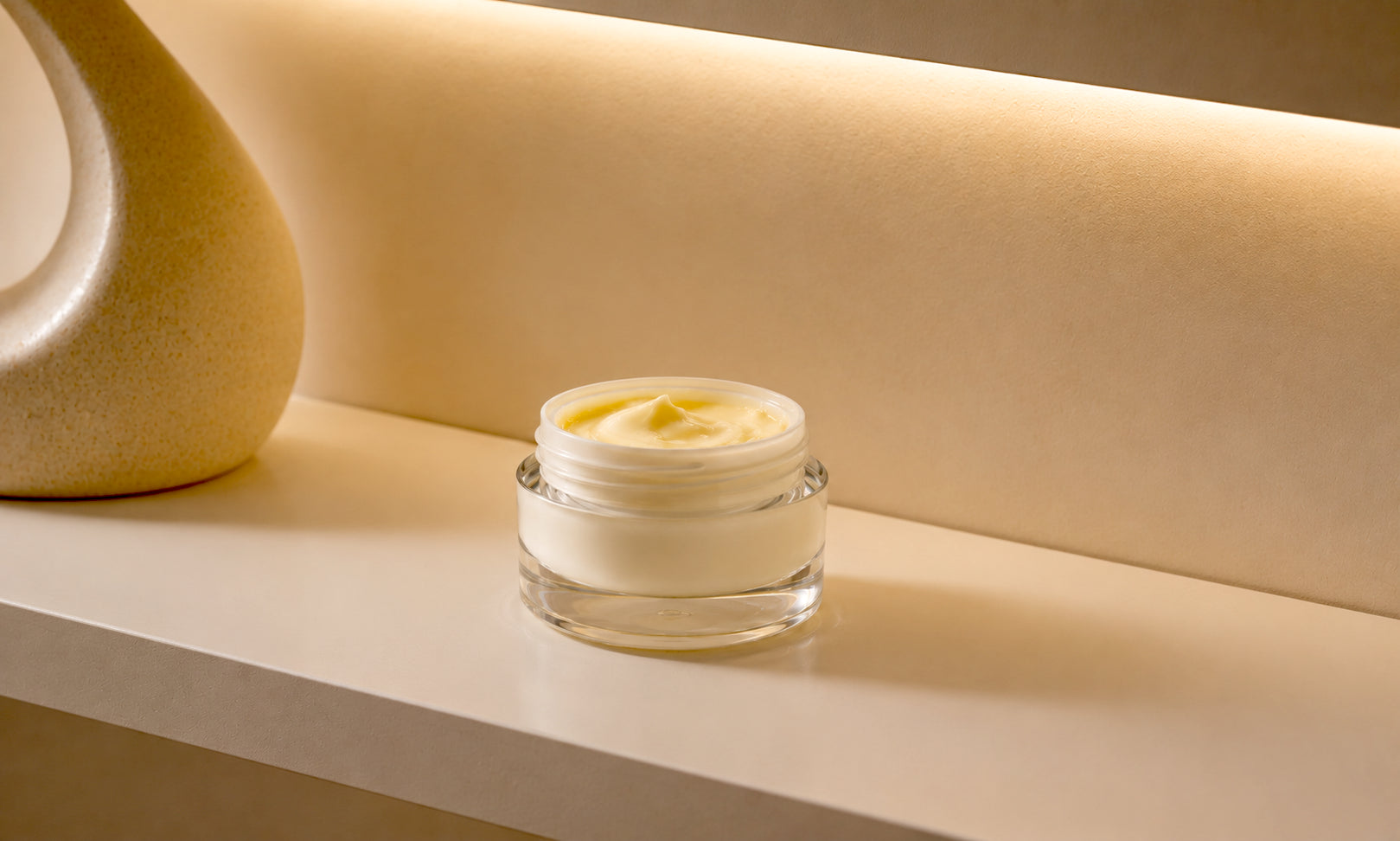
A brightening eye cream may make dry skin look smoother or more reflective, or contain ingredients intended for uneven-looking tone. Those effects are different from reducing pigment, hiding visible vessels or changing a shadow from a hollow. Ask what “brightening” means for the product and for your own concern.
A photograph taken in different lighting does not distinguish these effects.
Brown pigmentation, blue-purple vessel show-through and structural shadows can coexist. Start with the dark-circle cause guide. A brightening label cannot establish which cause you have, and moisturizer cannot fill a tear trough.
Look for eye-area directions, a comfortable moisturizing base and evidence relevant to your goal. Vitamin C and Vitamin K are not interchangeable: both have eye-area research limitations, and Vitamin K studies commonly use combinations.
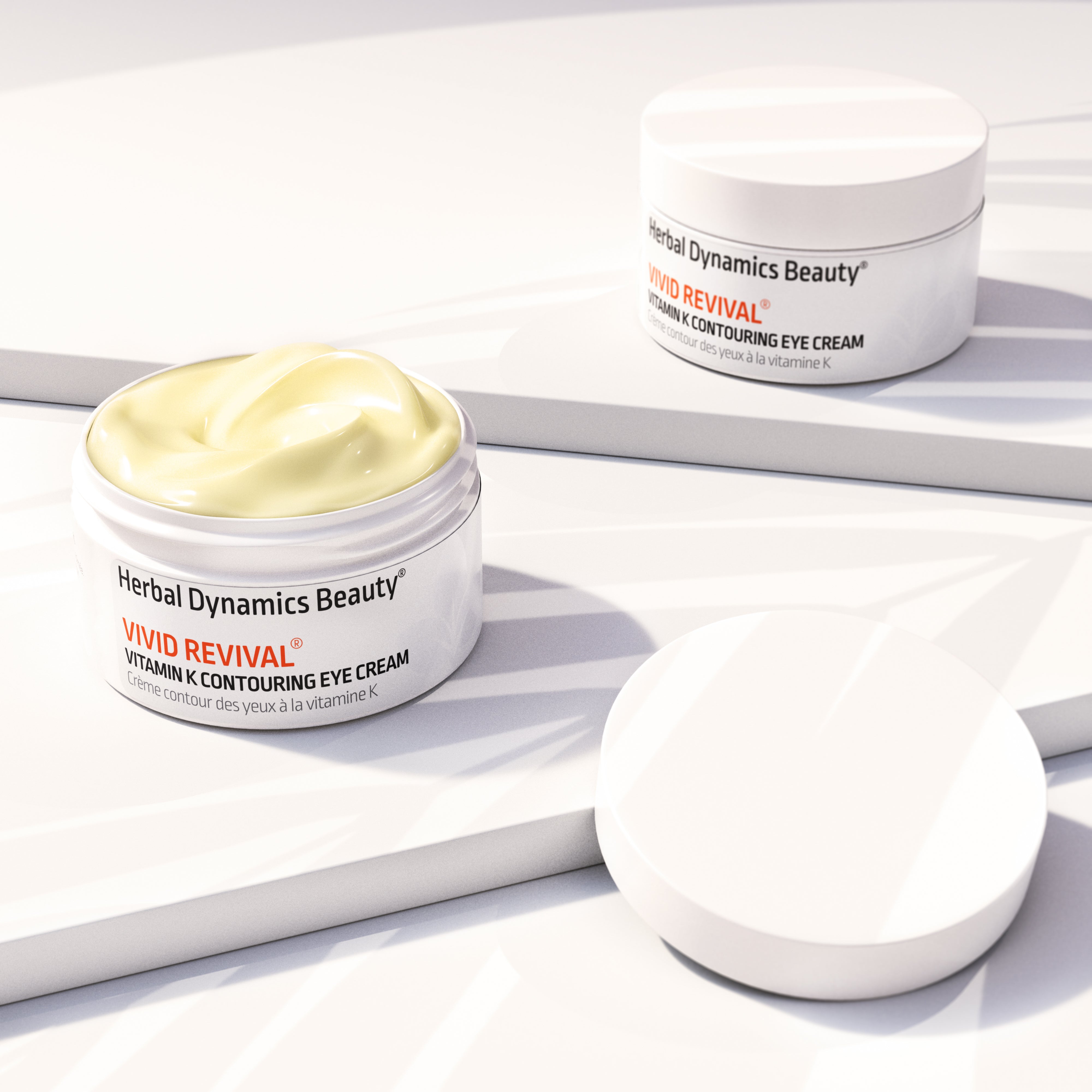
Vivid Revival® Vitamin K Contouring Eye Cream combines phytomenadione, green tea and moisturizing ingredients, with retinyl palmitate. It should not be described as proven to suppress under-eye pigment or correct every form of darkness.
The dark-circle formula comparison owns the buying decision for discoloration. Use the general eye-cream comparison for other concerns.
Irritation and rubbing can make uneven-looking skin more difficult to manage. Avoid stacking several strong actives around the eyes. Protect exposed skin from the sun and stop a product that causes persistent burning, itching or swelling.
Use consistent lighting, expression and time of day when assessing a result. Do not increase the dose to chase a brighter photograph.