Your Cart is Empty


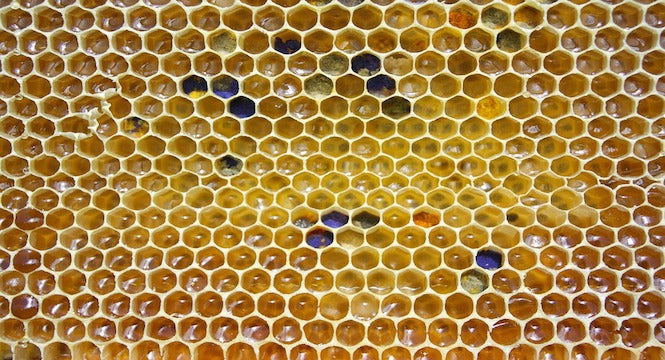
Quick answer: Beeswax is primarily a structuring and occlusive ingredient in balms, creams, and ointments. It can help a finished formula reduce moisture loss and feel more protective, but evidence does not show that beeswax alone clears acne, removes blackheads, builds collagen, heals scars, or treats eczema.
Beeswax is not technically a humectant: it does not attract water in the same way glycerin or hyaluronic acid does. Its main moisturizing role is occlusive, so the complete formula—and the humectants and emollients around it—matters more than the wax alone.
A 2023 review found supportive but limited evidence for beeswax-containing topical preparations, particularly for barrier support. Many studies test mixtures containing honey, oils, plant extracts, or medicines, which means the effect cannot be assigned to beeswax by itself. Laboratory antioxidant or antimicrobial findings also do not establish that a cosmetic balm treats acne or an infection.
Claims that beeswax “lets skin breathe,” is automatically non-comedogenic, boosts collagen because it contains vitamin A, or removes blackheads are not established clinical conclusions. Acne-prone skin can react to any rich finished formula, so individual tolerance is more useful than an ingredient score.
Beeswax can be useful in lip balms, hand salves, and richer moisturizers for people who prefer a protective finish. If facial skin is oily or breakout-prone, test the finished product on a small area before wider use. For a better way to interpret pore-clogging claims, read Herbal Dynamics Beauty’s comedogenic-rating guide.
Natural does not mean allergy-free. Beeswax and bee-derived materials may contain trace substances such as propolis that can trigger contact dermatitis in susceptible people. Patch-test a new product, avoid broken skin unless a clinician has recommended the formula, and stop if a persistent rash develops. Anyone with a known allergy to propolis or bee-derived ingredients should check the full ingredient list and ask a clinician when uncertain.
For dry-skin fundamentals, see the dry versus dehydrated skin guide.
This article is educational and does not diagnose or treat a medical condition. Stop using a product that causes persistent burning, itching, swelling, or a rash, and seek professional care for severe, sudden, or persistent symptoms.