
Your Cart is Empty


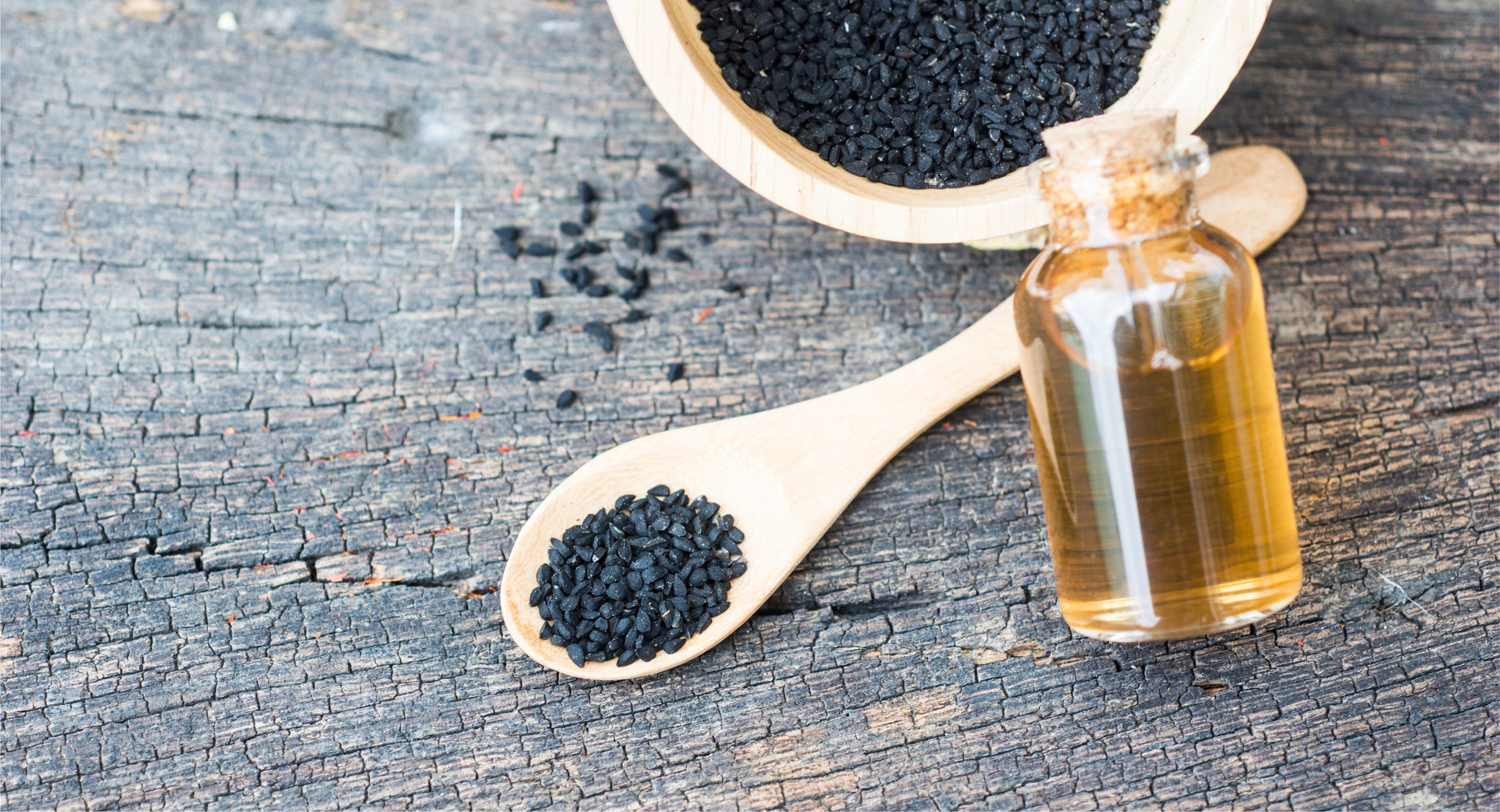
Black seed oil, from Nigella sativa, is a plant oil used in some cosmetics. Its potential skin benefits depend on the preparation and evidence; it is not a chemical-free or universally non-comedogenic treatment. Like all oils, it contains chemicals, including fatty-acid-containing compounds.
Researchers have investigated anti-inflammatory and antimicrobial effects, but an ingredient-level finding does not establish that every serum clears acne or brightens pigmentation. This guide distinguishes cosmetic use from the small clinical studies of particular preparations.
Nigella sativa is also known as black cumin or kalonji. Its traditional use provides historical context rather than proof that it contains a particular number of vitamins or treats every skin condition. Extract composition and processing vary.
More recently, modern scientific studies have begun to acknowledge its many uses — particularly its potential skincare benefits.
A natural or organic preference can guide shopping, but safety and effectiveness require attention to the actual formula. Fragrance, preservation, texture, concentration and personal allergy history can matter more than whether the plant name sounds reassuring.
No comedogenic score can guarantee that a black-seed-oil product will avoid breakouts in everyone. If you are acne-prone, introduce a suitable formula gradually and use acne care guidance for treatment decisions.
An oil’s vitamin content or antioxidant activity does not establish that daily use fades wrinkles, melasma or sun-related dark spots. Improvement in surface softness is different from improvement in pigment or dermal structure.
Eczema and psoriasis require condition-specific care. Research on a particular Nigella preparation should not be generalized to any bottled oil or used to stop prescribed treatment.
Eczema — a skin condition that typically manifests as dry, itchy patches of skin — is often treated with steroid creams.
Topical corticosteroids can be useful when prescribed appropriately. Side effects depend on potency, body site, duration and use. Discuss these factors with your clinician rather than assume that a botanical alternative is safer.
A small four-week randomized hand-eczema trial compared specific Nigella, betamethasone and emollient preparations. Some outcomes improved similarly in the Nigella and steroid groups. This does not prove equivalence for all eczema, long-term safety or effectiveness of arbitrary cosmetic oils.
Black seed oil can cause irritation or allergic contact dermatitis. A short trial cannot establish that there are no long-term risks. A home spot test can identify some reactions but cannot rule out allergy or guarantee suitability for inflamed skin.
For eczema-prone skin, select a gentle, well-tolerated moisturizer and follow your treatment plan. A botanical ingredient list alone does not show that a product is fragrance-free, non-irritating or an eczema medicine.
Apply only as the finished product’s directions and your clinician’s advice allow. Avoid experimenting on broken, weeping or infected skin.
Do not replace a prescribed treatment with raw oil or an untested homemade blend. Persistent itching, worsening redness or suspected infection needs medical assessment.
Read facial eczema care and sensitive-skin routines for practical support. Keep cosmetic moisturization separate from the treatment claims that would require drug-level evidence.
Content updated October 8, 2026.






