
Your Cart is Empty


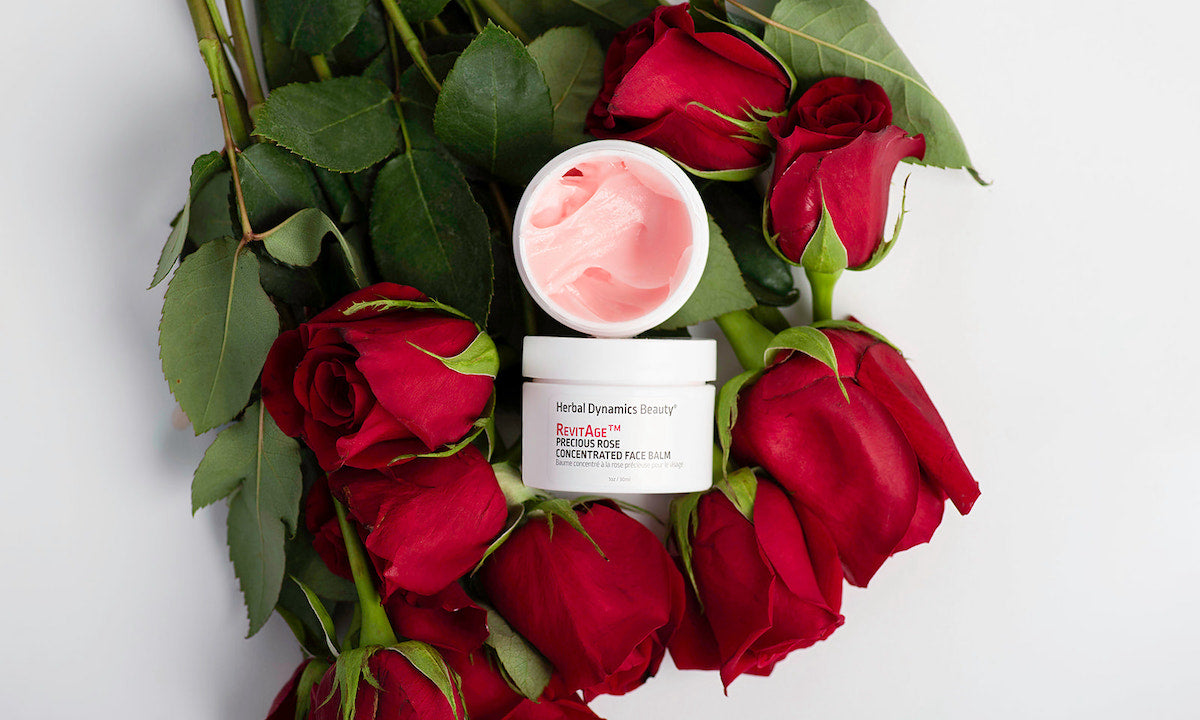
Epidermal growth factor, or EGF, is a signaling protein involved in communication between cells. That biological role explains skincare research interest; it does not mean that every growth-factor cosmetic heals skin or produces the same result. Evaluate the actual preparation, delivery and human topical evidence before accepting a rejuvenation claim.
Growth factors are proteins with specific biological activities, commonly mediated through receptors. EGF is one example, not a name for every plant extract, stem-cell ingredient or peptide complex. A cosmetic may contain a defined recombinant protein, a mixture or a source-derived preparation. The ingredient disclosure and material information determine which claim can be evaluated.
A recombinant protein is produced through a controlled biological manufacturing process. A botanical cell-culture extract is a different category unless its actual composition establishes otherwise. Plant cells do not become human skin cells when a cosmetic is applied. Describing a cultured botanical ingredient as stem-cell skincare does not show that it supplies human EGF or regenerates tissue.
A 2023 systematic review included 33 studies of topical growth-factor preparations for facial rejuvenation; only nine used a placebo or active control. The preparations and methods varied. This means the literature should be assessed formula by formula rather than treated as a blanket guarantee of smoother skin, collagen production or a retinol-equivalent result.
Uncontrolled before-and-after measurements cannot isolate a growth factor from the moisturizing base, other ingredients or changes in the routine. Useful testing names the preparation, population, comparator, duration and relevant appearance outcome. Laboratory cell activity is a different level of evidence from a durable visible change in people.
A protein that is active when directly exposed to cells still needs appropriate delivery and retained activity in a finished topical. Molecular properties, processing and the vehicle can affect that question. Neither a pump nor the biological importance of EGF proves penetration or stability. Equally, molecular size alone is not enough to dismiss every delivery technology without examining its evidence.
PDRN is DNA-derived; skincare peptides are amino-acid chains whose properties depend on the sequence. A PDRN study observing downstream growth-factor signaling does not establish that PDRN is a growth-factor protein. The PDRN comparison and the peptide guide separate material identity from overlapping marketing language.
A well-formulated product may be evaluated for hydration, texture or fine-line appearance when suitable evidence supports those goals. It should not be assumed to prevent every sign of aging, remove scars or reproduce a procedure. There is no evidence-based universal age at which everyone needs a growth-factor serum. A suitable moisturizer and sun protection remain central to mature-skin care.
A biologically derived ingredient is not automatically gentle. Assess the complete formula and follow its intended-use directions on intact skin. Introduce one product at a time and stop one that irritates. Known allergies, a persistent rash or special medical circumstances call for appropriate advice rather than reassurance from a growth-factor label.
Do not infer an aftercare protocol from cell research or general rejuvenation claims. An ordinary cosmetic is not automatically appropriate after laser, a peel or microneedling. The treating clinician determines what to apply and when. Procedure-aftercare questions explain why medical and cosmetic use must remain distinct.
Look for identified ingredients, transparent source information, relevant human testing and a formula you can tolerate. Compare the specific cosmetic goal with retinol education or PDRN for Skin: What It Is, Benefits, Evidence & How to Use It without assuming a universal winner or combining separate study results into a synergy claim.
For other biological-material labels, PDRN versus exosomes distinguishes DNA-derived preparations from vesicles. Shared regenerative language does not make their evidence interchangeable.






