Your Cart is Empty


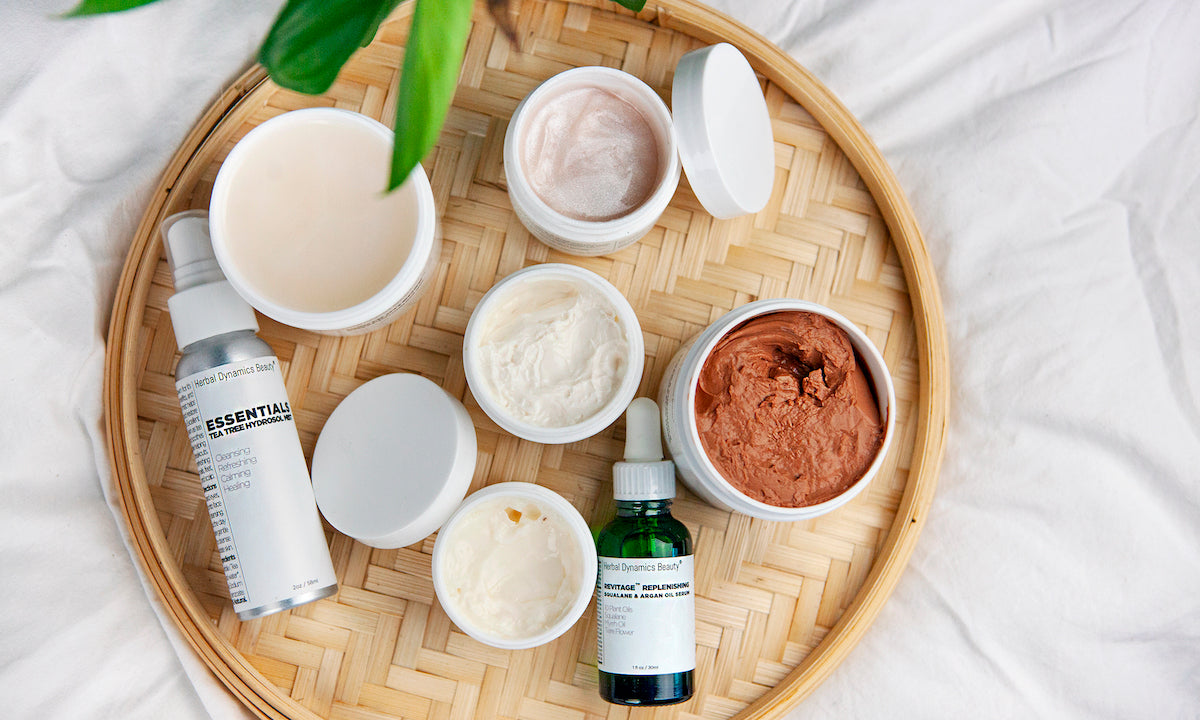
Our regular habits make a big difference over time, whether we’re talking about food, exercise, and, yes, skincare. What we do on a daily or weekly basis adds up, for better or worse.
For example, regularly sleeping in makeup can lead to clogged pores and breakouts. Routinely skipping sunscreen can mean sunburn and cumulative skin damage over time. How else could your daily habits be influencing your skin?
Read on to discover daily, weekly and monthly tweaks you can make to improve the health and appearance of your skin, starting today.
Plan gentle cleansing around your products, sweat and tolerance. See how often to wash for morning, evening and workout decisions.
Creams, gels and foams can suit different preferences, but texture alone does not predict mildness. Compare cleanser formats and assess how skin feels afterward.
Evening cleansing removes the day’s makeup, sunscreen and surface residue. It does not need to strip away all oil or be justified as a way to let skin breathe.
A hot shower can be tempting, but using lukewarm water is much better for the health of your skin. Limit the length of your shower and pat the moisture from your skin with a soft towel instead of rubbing it. Use the same principle when washing your hands to avoid scaling and flaking skin.
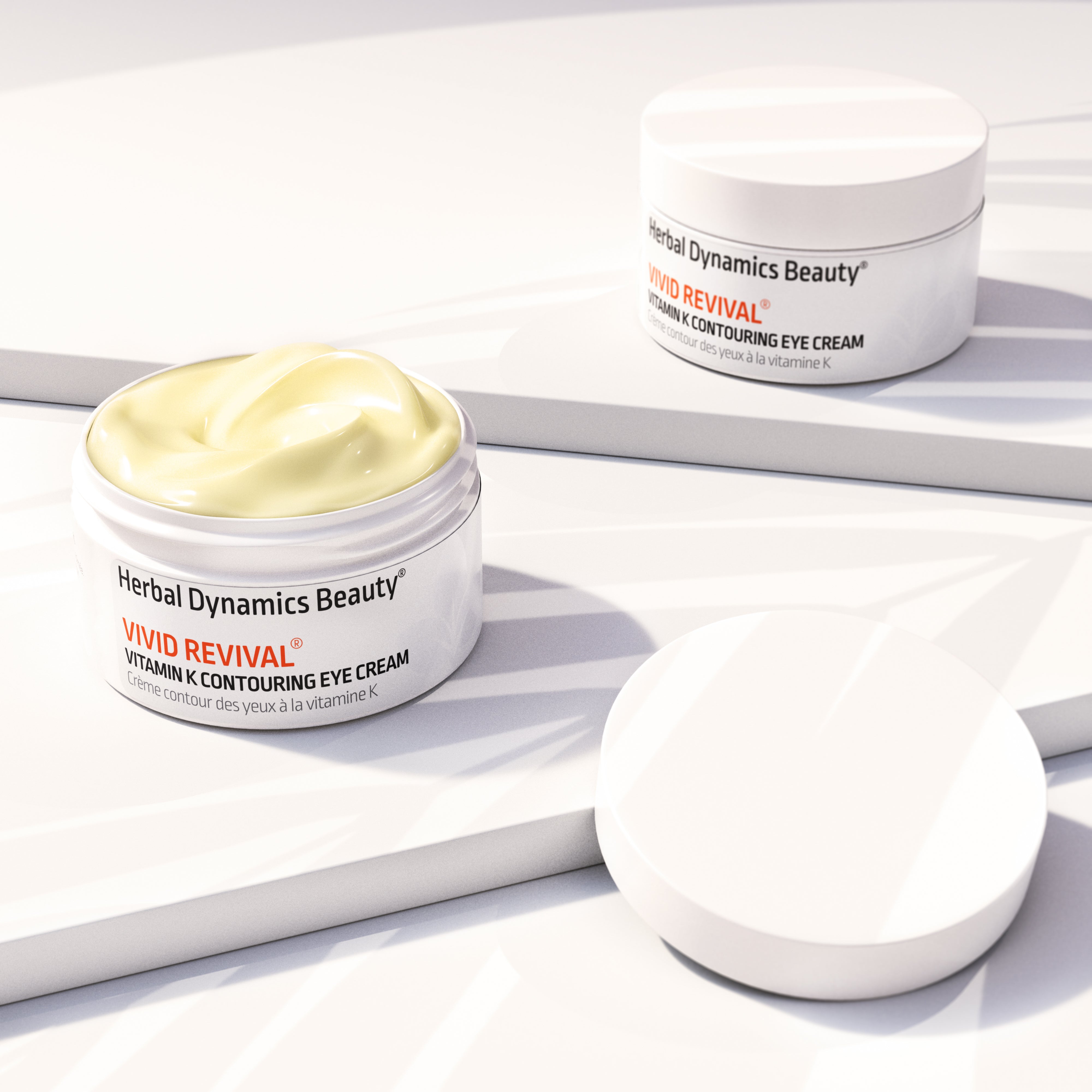
If an eye cream adds useful comfort, use it according to the label. A suitable facial moisturizer may already be enough. Do not assume every eye cream boosts collagen or prevents lines; choose by the formula’s ingredients, evidence and realistic purpose.
The neck, chest, hands and arms can also need moisturizer and sun protection. Apply body moisturizer after showering while skin is slightly damp; use the body application guide to adjust frequency.
Make sun protection a consistent habit. Choose broad-spectrum SPF 30 or higher and apply the directed amount before exposure. Use shade, protective clothing, a hat and sunglasses as well. Reapply about every two hours outdoors and follow water-resistance and towel-drying directions.
Your skin is the largest organ in your body. So if you’re not giving your body what it needs to be healthy, it will show up on your skin. Drink lots of water (at least 3.7 liters a day for men and 2.7 liters a day for women), get lots sleep and eat lots of antioxidant-rich fruits and vegetables.
Exfoliation is an important part of any good skincare routine. Regularly exfoliating your skin smooths rough patches, reduces redness, fades acne scars and dark spots, and brightens your overall complexion.
Chemical exfoliants like alpha-hydroxy acids and beta-hydroxy-acids are slightly more acidic than the skin. This allows them to gently loosen dead skin cells from living ones. Think of them as dissolving the glue between skin cells.
Mechanical exfoliation involves using a rough surface (like a washcloth or cleansing brush) or granular substances (like sugar and salt scrubs) to slough off the top layer of skin.
One to three times per week, you should exfoliate to reveal new, fresh skin cells beneath the upper surface of the skin. Your method of exfoliation is up to you.
Masks are optional, and there is no weekly quota. Choose a tolerated formula for a limited cosmetic goal, such as temporary hydration or a less oily finish. The face-mask guide explains the types.
Follow the particular product's contact time and frequency. An oat-containing cream is not automatically suitable for a rash, and an acid mask adds exfoliating exposure. See mask scheduling and active combinations.
You might not think your workout has anything to do with your skin, but exercising at least three times a week tightens skin and reduces stress, which in turn leads to better skin.
Your very best skincare routine means absolutely nothing if the surfaces you come in contact with daily are dirty. Clean all makeup brushes, cell phones, and pillow cases weekly. Not sure how to clean your tools without damaging them? Here’s a quick guide:
How to clean your makeup brushes
Exfoliation is optional, and there is no universal monthly schedule for every body area. Tingling is not evidence of beneficial circulation changes. For rough skin, begin with gentle body texture care and elbow and knee care. Skip scrubs on irritated or broken skin.
A home facial is optional self-care, not a monthly requirement for pore health. Avoid extractions and excessive heat, and keep cleansing comfortable. See the home-facial guide.
Even a skincare routine that's worked reliably for you may need a tweak from time to time. Check in and reassess at the start of each season. Evaluate everything from your diet to the products you use. Dry winters usually require heavier, more hydrating products. Hot summers, on the other hand, are a good time for pore clearing skin acids. Otherwise, if you're experiencing breakouts, or your skin stops responding to a product the way it once did, consider seeing a dermatologist.
From face masks to serums, you may not use up your products before they expire. Expired skincare products can become contaminated with bacteria. And when applied to the skin, this bacteria could cause irritation, rashes, blemishes, even skin infections. Once a month, check the expiration dates of your products for anything that needs to be tossed.
Once a month, check your skin for any moles or spots that have changed. If you notice any changes, make an appointment with your dermatologist. Learn how to do a thorough self-exam to detect skin cancer from the American Academy of Dermatology.
You only have one skin and time invested in skin care is time well spent for maintaining its health. With a few minutes twice a day you can create a big improvement, with a few weekly and monthly habits to keep things on track. To summarize, here are the key takeaways to keep in mind for your daily, weekly and monthly skincare steps.
Print out our skincare guide cheat sheets and keep them on hand until the steps become habit. With our daily, weekly and monthly guide to better skin, you’ll be glowing in no-time. Give your skincare all the TLC it needs with the only skincare guide you’ll ever need.
Choose the wash for your needs using the facial-cleanser guide. Dermatology guidance recommends gentle fingertip washing and avoiding scrubbing.
Use the face-mask guide to compare formats and the application guide for product-specific timing and removal.
Use the facial sunscreen guide to choose broad-spectrum SPF 30 or higher and apply it properly. FDA guidance explains why tested sunscreen claims, protective clothing and correct use matter; ingredient or nutrition research is not an SPF rating.