Your Cart is Empty


The most useful retinol rule is to avoid unnecessary overlapping irritation and follow the directions for the actual formulas. Vitamin C, niacinamide and hyaluronic acid are not universally forbidden with retinol. Acids, additional retinoids and acne medicines need closer review, particularly while starting or when skin is already sore.
| Combination | Main issue | Practical approach |
|---|---|---|
| Retinol + hyaluronic acid | Hydration does not remove irritation risk | Usually compatible; follow any dry-skin application directions |
| Retinol + niacinamide | The complete formula and personal tolerance | Can fit together; another serum is optional if the moisturizer already supplies it |
| Retinol + vitamin C | Formula-dependent irritation, especially with acidic products | Separate sessions if helpful and permitted; no universal prohibition |
| Retinol + AHA/BHA or scrubs | Cumulative dryness and irritation | Leave optional exfoliation out during introduction or a reaction |
| Retinol + peptides | Formula-specific restrictions, including some copper-peptide products | Follow both manufacturers' directions |
| Retinol + benzoyl peroxide | Molecule and formulation compatibility, plus irritation | Use medicine-specific advice; do not generalize from one retinoid |
| Retinol + another retinoid | Duplicated exposure without a clear purpose | Avoid adding a second separate retinoid unless specifically advised |
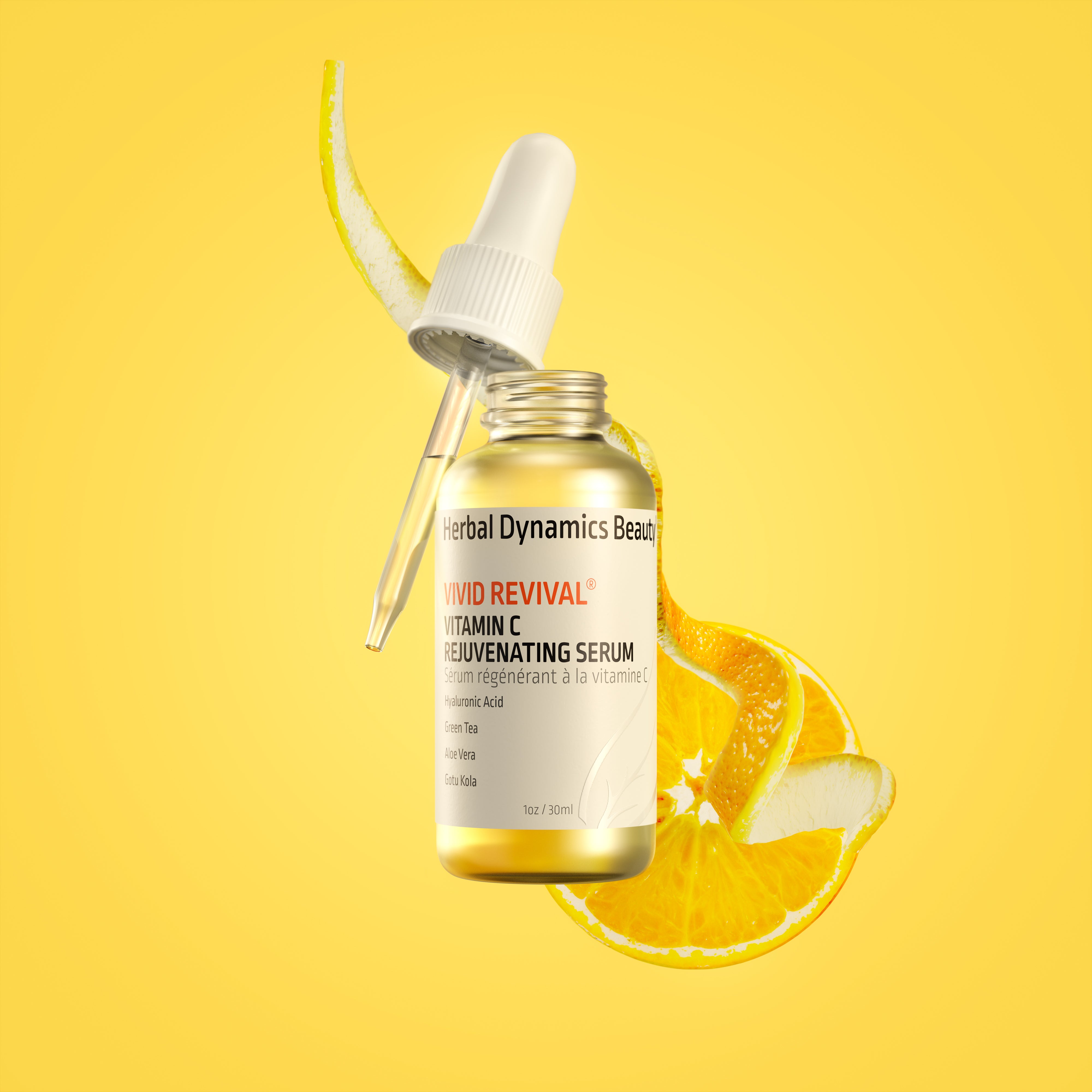
They can belong to the same overall routine, but not every pair of products will be comfortable. An acidic L-ascorbic-acid serum differs from a vitamin C derivative in a moisturizer. If both labels permit it, vitamin C in the morning and retinol on selected evenings can make the routine easier to assess.
This separation is an organizational option, not proof that the ingredients otherwise cancel one another. A product designed with both ingredients is also different from mixing two bottles in your hand. If either product stings persistently, simplify.
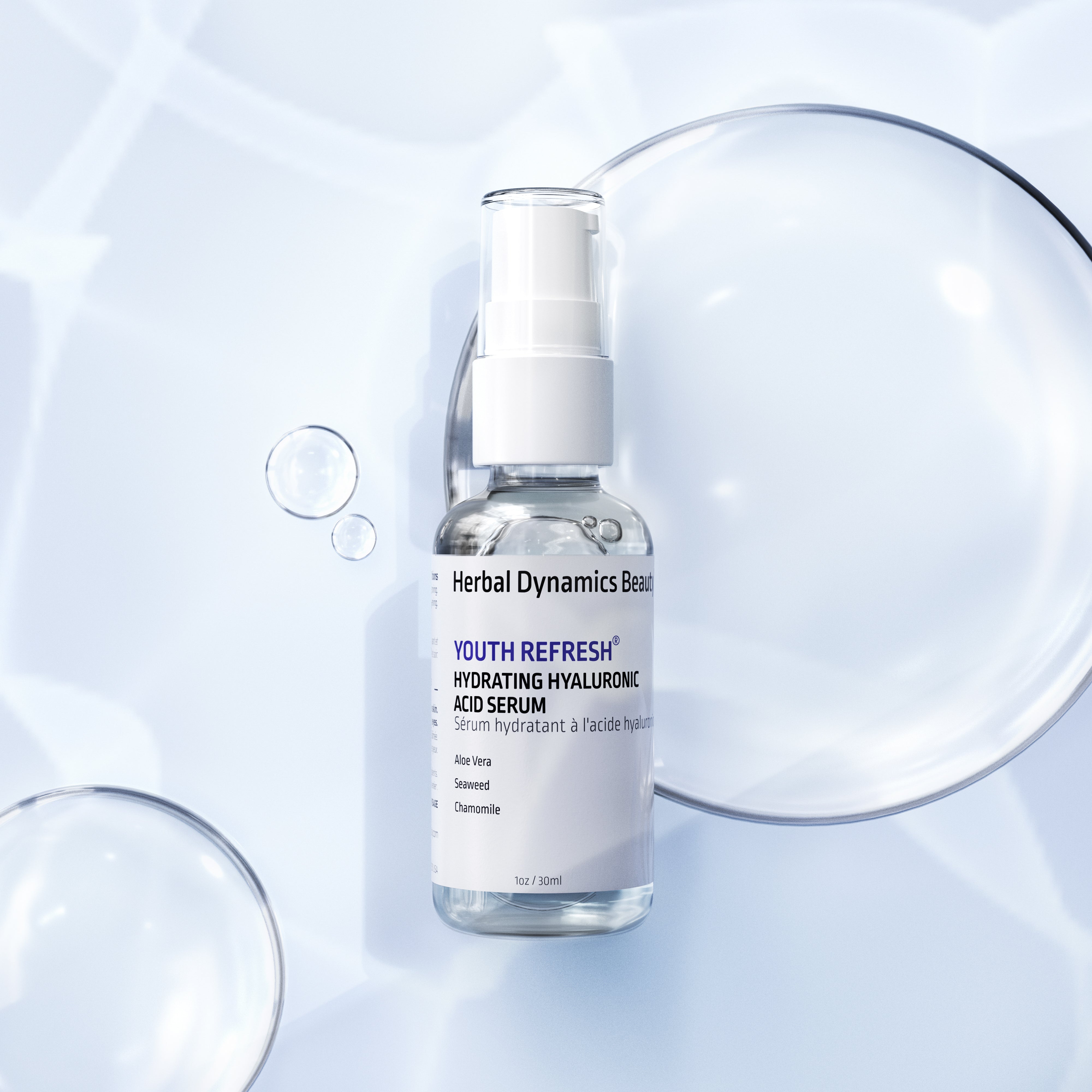
Neither name establishes a routine conflict with retinol. Humectants and a suitable moisturizer may support comfort, but cannot neutralize excessive retinoid exposure. High concentrations or other ingredients in the formula may still irritate.
The hyaluronic-acid pairing guide covers hydration and order in detail. There is no need to buy a separate niacinamide serum if the existing routine already supplies it and an additional layer serves no purpose.
You may not need an exfoliant at all. Flakes from irritation are a reason to reduce exposure, not scrub harder. If an acid addresses a separate goal and the routine is comfortable, review both labels and introduce changes cautiously.
Using acids on different nights does not eliminate cumulative irritation. Count active cleansers, toners, masks and spot treatments. The established acid-combination guide owns the detailed AHA/BHA comparison.
Do not apply a blanket “benzoyl peroxide cancels retinoids” rule. Compatibility depends on the retinoid and formulation. Adapalene and benzoyl peroxide are combined in acne medicines; some other retinoid preparations have different stability or scheduling requirements.
Acne guidelines support combining appropriate treatment mechanisms, not arbitrary layering of every active. If you already use acne medication, ask a pharmacist or clinician whether cosmetic retinol adds any useful role. See retinol versus adapalene for the drug-versus-cosmetic distinction.
Not necessarily. A peptide product may be comfortable, but it does not prevent retinoid irritation. Some copper-peptide formulas carry specific manufacturer restrictions. Use the peptide pairing guide and peptides versus retinol for those separate decisions.
Stop optional irritating additions for persistent burning, rash or significant peeling. Return to tolerated basic care and get advice about any prescription. The multi-active barrier guide covers that reset; retinol-specific irritation care covers symptoms after a retinoid.
No fixed waiting interval makes an unsuitable combination safe. Do not combine separate bottles into a storage container or increase amounts to compensate for using products less often.
Avoid topical retinoids during pregnancy or while trying to conceive. Discuss breastfeeding with your healthcare professional; see pregnancy and breastfeeding guidance.
By Herbal Dynamics Beauty. Updated September 23, 2026. General skincare education; a healthcare professional can advise on medical conditions and medicines.