Your Cart is Empty


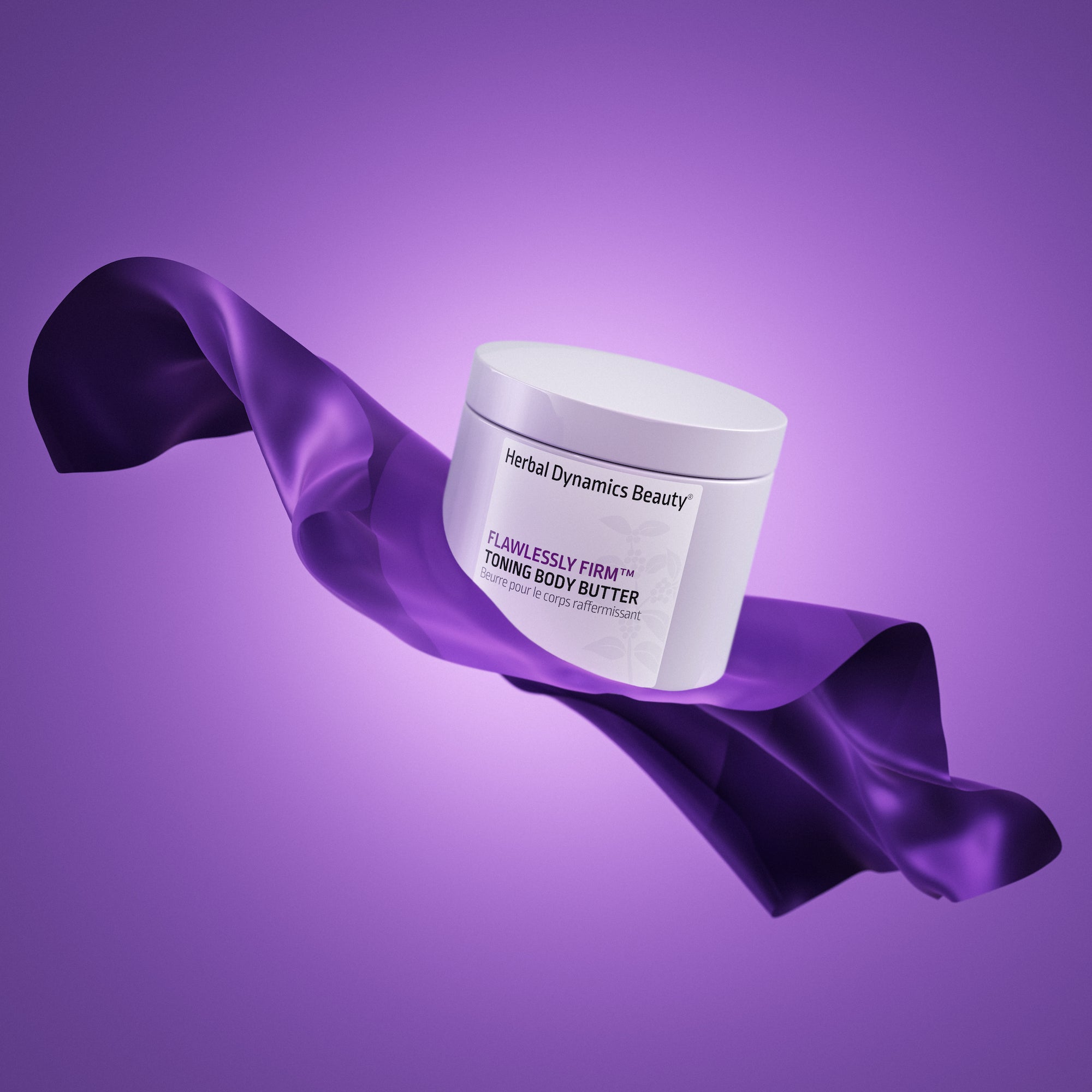
A sweat gel is a cosmetic product marketed for use during exercise, often with an oily or occlusive feel. Applying one does not establish greater calorie burning, localized fat loss, improved circulation or cellulite removal. More visible sweat is not proof that a workout is more effective.
Occlusive ingredients help reduce water loss through the skin’s surface. Their role in a moisturizer should not be turned into a promise to heat the body from within or improve insulin regulation. Moisturizer ingredient roles explain the distinction.
A formula may contain oils, waxes or other texture ingredients. The presence of botanicals does not establish exercise benefits or mean the product is suitable for every skin type.
It may contain moisturizing ingredients, but its directions and intended use may differ from a leave-on body lotion. If your goal is relief from dry skin after showering, choose a product designed for that routine. See body moisturizer basics and body oil versus lotion.
Benefits of physical activity are not proof that a topical product enhances them. Research must test the claimed product and outcome rather than borrow unrelated exercise findings.
If you use a workout cosmetic, follow its label, avoid broken or irritated skin and stop if it causes burning or a rash. Do not add tight wraps or extra heat to intensify the experience. CDC/NIOSH heat guidance identifies physical exertion, environmental heat and restrictive clothing as relevant to heat stress; deliberately increasing heat is not a skin-care goal.
Change out of sweaty clothing and cleanse gently after activity. Moisturize dry areas afterward with a product that suits them. Persistent bumps or itching should not be treated by adding more occlusive layers.
Use the cellulite evidence guide for realistic expectations. A comfortable body routine can support surface softness without promising a change in body shape.
By Herbal Dynamics Beauty • Updated September 24, 2026