Your Cart is Empty


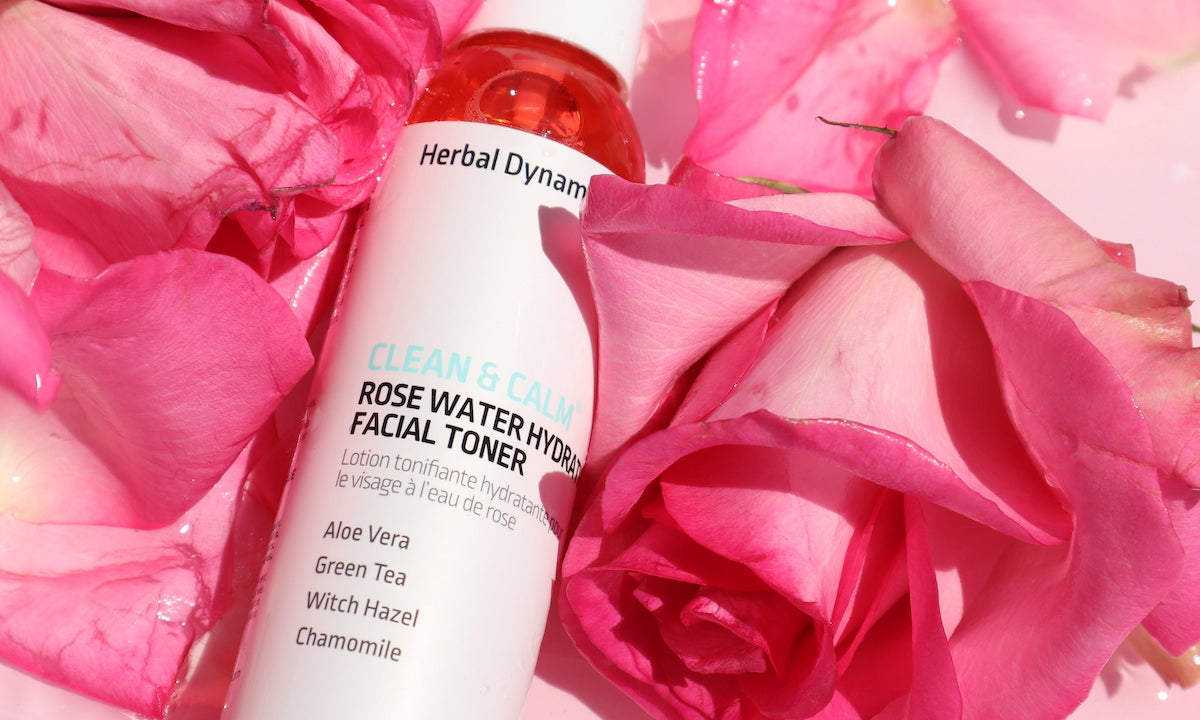
Use a facial rose-water toner after cleansing and before serum or moisturizer, following its label. A mist can also be an optional refresher when its directions allow. Rose water does not replace cleansing, a moisturizer, sunscreen or treatment for a skin condition.
Check whether you have a preserved hydrosol, a multi-ingredient toner or a fragranced spray. Culinary rose water, homemade petal water and facial cosmetics are not interchangeable. Read the rose ingredient guide if the label is unclear.
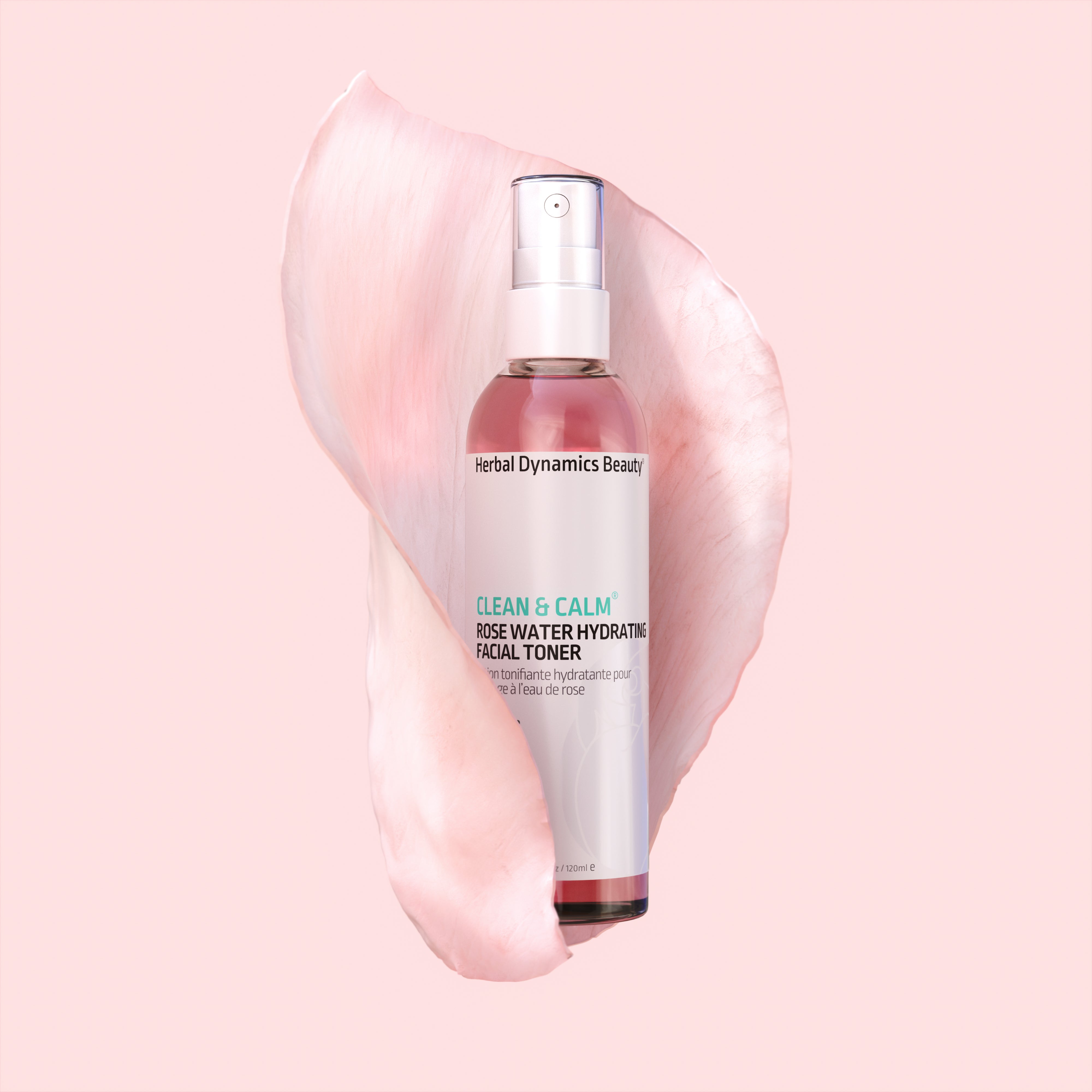
Clean & Calm® Rose Water Hydrating Facial Toner is currently out of stock. Its ingredient list includes glycerin, aloe, alcohol, rose flower oil and other ingredients; it is not a bottle of pure hydrosol. Check your own product label because instructions and formulations can change.
| Method | Practical guidance |
|---|---|
| Hands | Use clean hands and the label-directed amount; pat lightly without pouring excess into the palm |
| Cotton pad | Apply gently if the directions call for it; repeatedly scrubbing to make the pad look dirty adds friction |
| Mist | Close eyes and mouth, avoid inhaling the spray and follow the bottle instructions |
The applicator is not proof that a product cleanses, penetrates deeper or suits sensitive skin. See micellar water versus toner if you need makeup removal and the face-mist guide if your main goal is refreshing the skin.
Choose the time when the product adds comfort. There is no requirement to use rose water twice daily, and frequent application will not necessarily improve results. A daytime spritz is optional; it does not reapply sunscreen or guarantee that makeup will last longer. Do not assume a facial mist is a tested makeup-setting product.
Do not add water, tea, coconut oil or essential oils to the bottle. This can change the formula and its preservation. Keep the closure and applicator clean, follow storage and use-after-opening instructions, and discard a product that changes unexpectedly or appears contaminated. Refrigeration does not make an unpreserved homemade infusion equivalent to a tested cosmetic.
The FDA's microbiological safety guidance explains how water, ineffective preservation and consumer handling can contaminate cosmetics.
Skip a product that repeatedly stings, itches or produces a rash. Do not use it as an eye rinse, wound disinfectant or treatment for acne, eczema or rosacea. For reactive or flaky skin, read rose water for dry and sensitive skin before adding a new product.
The rose-water evidence guide covers realistic benefits. For general order, frequency and damp-skin questions, see how to use facial toner and the toner overview.
Updated September 20, 2026. General skincare education.