Your Cart is Empty


Diet may influence acne for some people, but no food rule reliably clears everyone's skin. Acne treatment should not be replaced by a restrictive diet, “detox” or commercial food-sensitivity test. Research suggests possible links, while the strength and consistency of evidence vary.
People who eat differently also differ in age, medications, stress and many other factors. An observational link cannot prove that one food caused a person's acne. Trials that change diet provide more direct information, but small samples, adherence and weight changes complicate interpretation.
Some trials of a lower-glycemic-load eating pattern have reported improvement. A 2007 randomized trial in young men found a greater lesion reduction in the intervention group, but weight changes and other dietary differences limited conclusions about the independent effect.
Results are not uniform. A trial adding a low-glycemic-load diet to benzoyl peroxide did not find a significant additional improvement in acne counts. These studies support continued investigation, not a guarantee that avoiding sugar cures acne.
Studies have reported associations between some dairy intake patterns and acne, but that does not establish a universal trigger or prove that removing all dairy improves everyone. The AAD guideline did not make a specific dietary treatment recommendation because the evidence was insufficient.
If you notice a repeatable pattern, discuss a limited, nutritionally adequate trial with a clinician or registered dietitian. Avoid removing whole food groups indefinitely, especially for adolescents, pregnancy or a history of disordered eating.
Discuss new supplements with your clinician if their timing coincides with a breakout. A protein supplement, medication or other exposure may merit review; do not stop prescribed treatment on your own. Chocolate contains varying combinations of cocoa, sugar and milk, so a broad “chocolate causes acne” claim is not a precise conclusion.
Do not take high-dose zinc, vitamin A, hormone products or herbal supplements as a self-prescribed acne cure. Nutritional deficiency and acne treatment are different clinical questions.
Commercial food-sensitivity testing is not an established way to choose an acne diet. Drinking extra water does not flush oil or toxins out of pores. Balanced meals and normal hydration support health without needing to be sold as acne treatments.
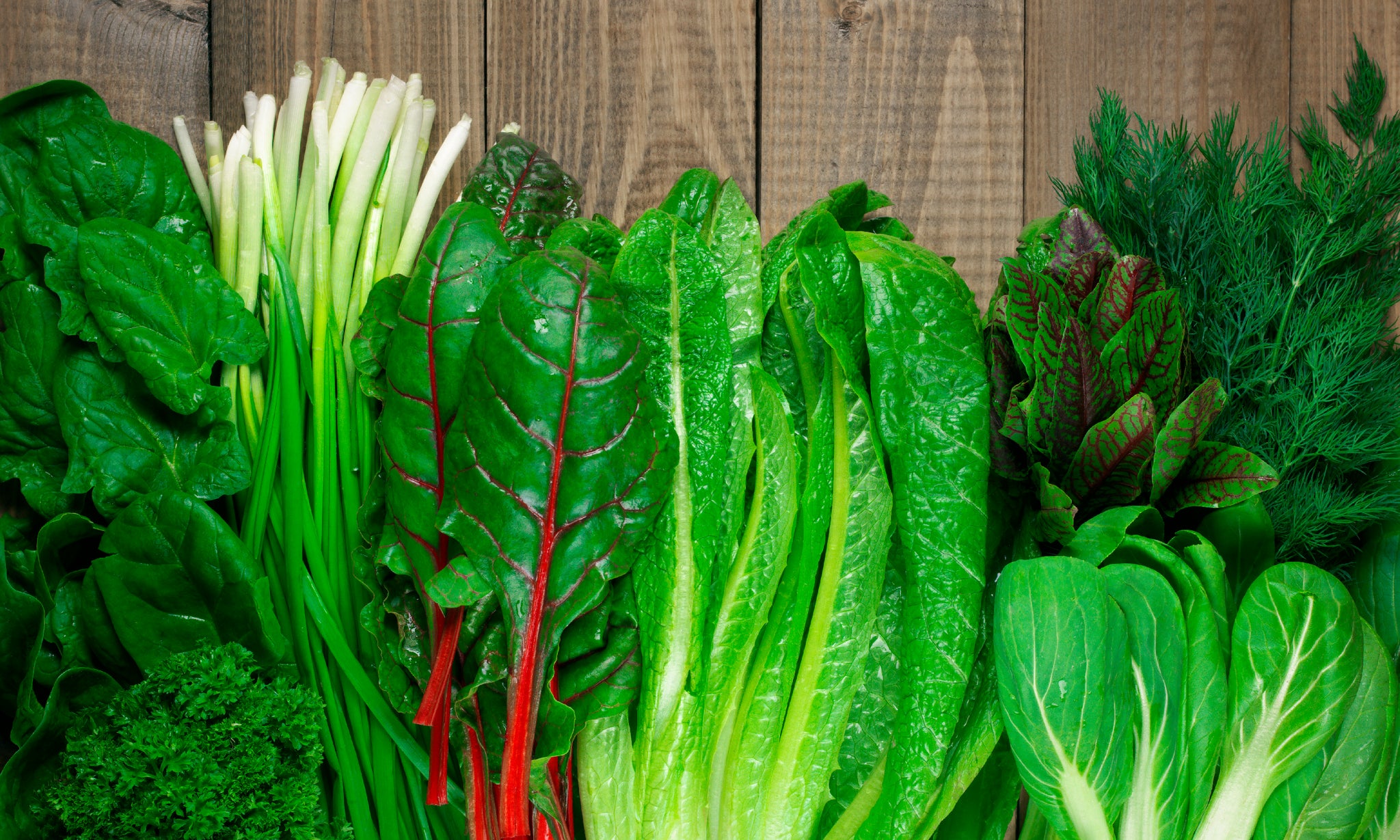
Use consistent skincare and acne treatment, avoid picking and seek care for painful or scarring disease. If you want ordinary meal ideas, eight everyday food options focuses on nutrition without promising oil control. Breakout-prevention habits covers non-dietary exposures.
Updated September 20, 2026. General skincare education, not a diagnosis or individualized treatment plan. Seek professional care for deep, painful, scarring, persistent or rapidly worsening acne.