Your Cart is Empty


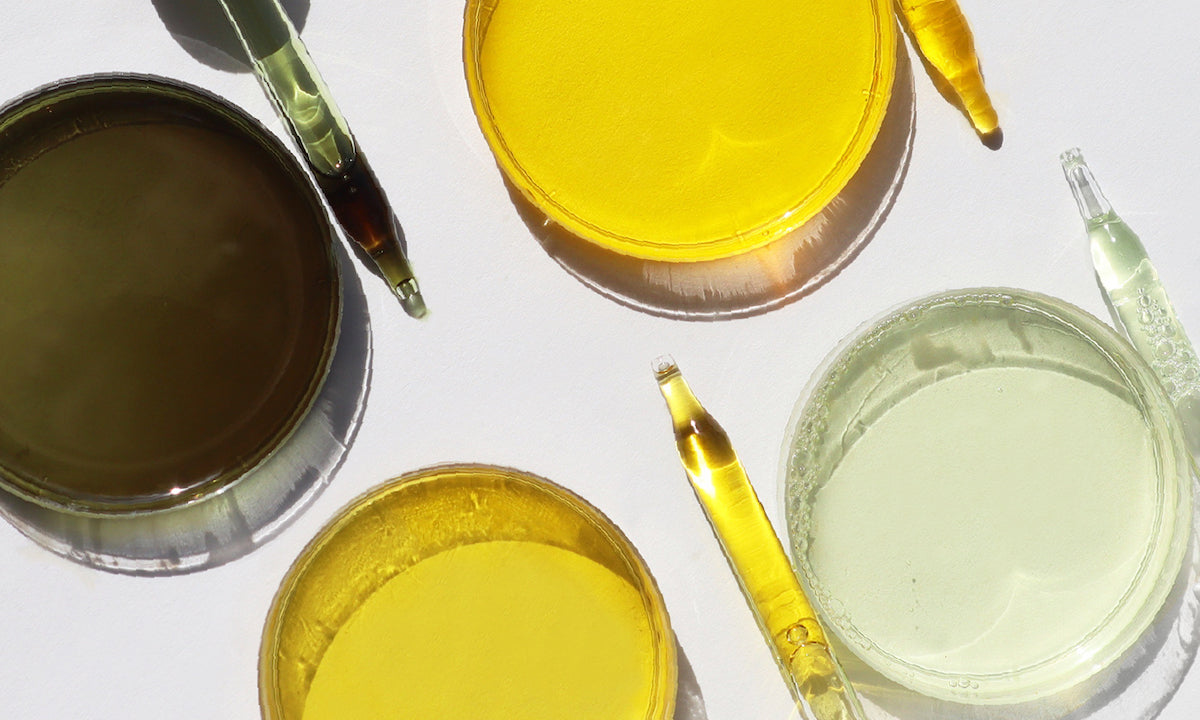
Lavender, tea tree, rose and peppermint oils are aromatic ingredients with different compositions. None is an essential part of a sensitive-skin routine. Their popularity and laboratory properties should not be mistaken for proof that applying them treats a facial skin condition.
| Oil | A realistic question | Claim to avoid |
|---|---|---|
| Lavender | Do I tolerate this aromatic ingredient in the finished product? | That lavender reliably rebuilds facial collagen or heals a rash. |
| Tea tree | What evidence exists for the specific acne preparation? | That neat oil is a substitute for an acne medicine or antibiotic. |
| Rose | Is this rose essential oil, extract or water? | That all rose preparations deliver the same vitamins or anti-aging results. |
| Peppermint | Is its sensory effect comfortable and appropriate here? | That cooling proves repair or makes it a treatment for sunburn. |
NCCIH describes limited research on topical tea tree oil, including acne studies. It can also cause irritation or allergic reactions and should not be swallowed. A trial of a prepared product cannot establish a safe homemade concentration for every person.
Smell, cooling and a soft after-feel describe a sensory experience. They do not show that a product treats inflammation, reverses UV injury or produces a durable change in collagen. If your goal is dry-skin comfort, choose a suitable moisturizer. If you have acne or a rash, use guidance relevant to that condition.
Use finished facial products as directed, avoid undiluted oils and do not add an oil to an inflamed area to see whether it helps. Known fragrance allergy calls for specific avoidance advice. A home test cannot rule out allergy or justify re-exposure after a severe reaction.
For another aromatic ingredient, eucalyptus oil’s cosmetic role applies the same formula-and-tolerance checks; a refreshing scent is not a cleansing result.
By Herbal Dynamics Beauty · Updated September 21, 2026.
General skincare education. Persistent, painful or worsening symptoms need professional assessment.