Your Cart is Empty


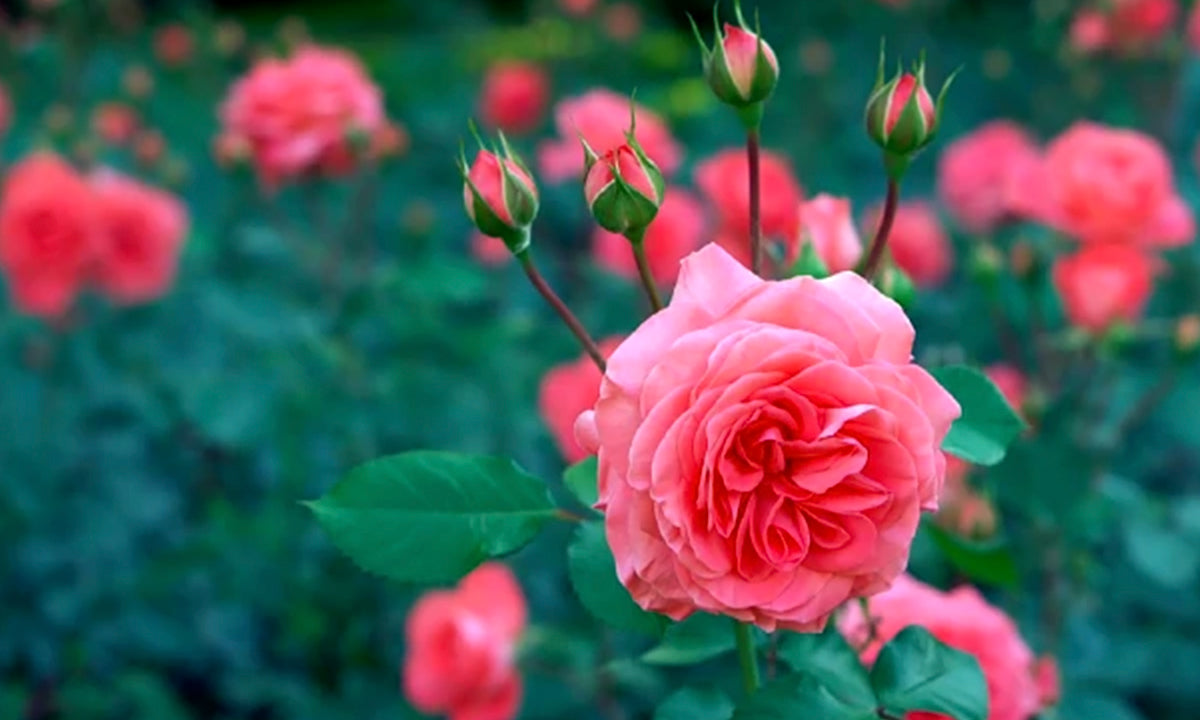
Rose water, rose flower extract and rose essential oil are different ingredients, even when they come from the same species. The plant part and processing method change what is in the ingredient. A rose on the front of a bottle does not tell you its function, strength or suitability.
| Label wording to look for | What it indicates | What you cannot assume |
|---|---|---|
| Rosa damascena flower water | A rose-derived aqueous ingredient, commonly a hydrosol | That it supplies the vitamins or fatty acids of the whole flower |
| Rosa damascena flower extract | An extract whose composition depends on processing and solvent | That it behaves like flower water or has proven clinical effects |
| Rosa damascena flower oil | An aromatic rose flower oil | That it is a bland carrier oil or safe to apply undiluted |
| Rosa canina / rubiginosa seed oil | A rosehip seed oil | That it is rose essential oil, a retinoid or a vitamin C serum |
Species names help identify the source; they do not prove the quality or effectiveness of the finished product. Our rose-water benefits guide covers the aqueous ingredient, while rose water versus rosehip oil helps with the water-or-oil choice.
Distillation, solvent extraction and pressing collect different components. Finding an antioxidant effect in a concentrated extract does not establish the same effect in a diluted hydrosol. Likewise, a food's vitamin content is not a measurement of a cosmetic made from the plant.
The 2023 rose-hydrosol paper studied laboratory test systems. It did not test a facial toner for acne, pigmentation or wrinkles. Avoid upgrading a laboratory mechanism into a clinical promise just because two products both say “rose.”
An essential oil is an aromatic material rather than the same kind of oil as rosehip seed oil. Do not put undiluted rose essential oil on the face or mix it into a water spray: oil does not become evenly diluted simply by adding water. Choose a finished facial product with directions instead of improvising a formula.
The FDA explains that plant-derived fragrance materials can cause allergic reactions. “Natural” and “no added perfume” do not establish that a product has no fragrant botanical components.
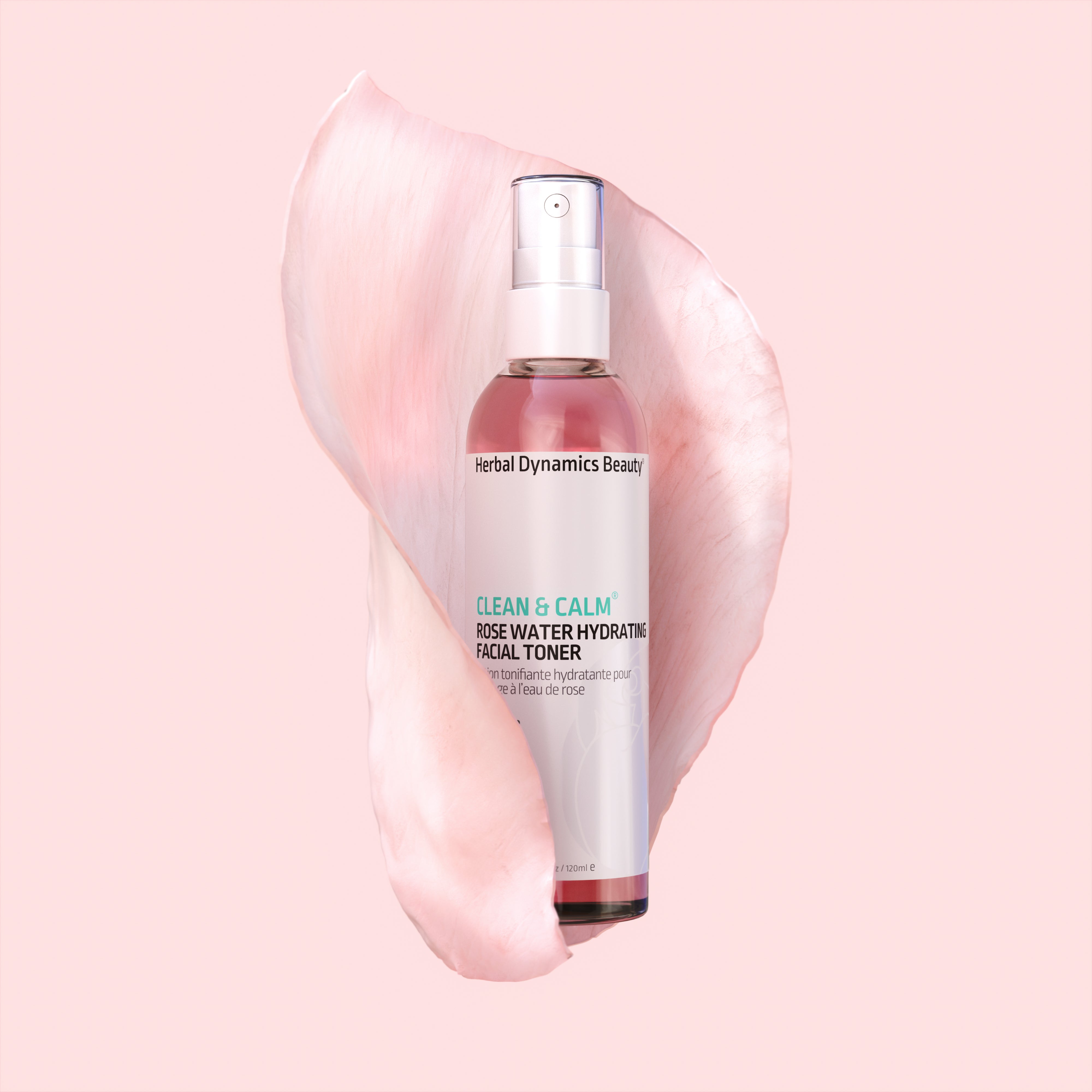
For example, the currently unavailable Clean & Calm® Rose Water Hydrating Facial Toner lists rose flower oil alongside water, glycerin, aloe, alcohol and other ingredients. That is not the same composition as a pure rose hydrosol. This distinction matters even before considering whether the product suits your skin.
Use the hydrating-toner guide for an extra moisture step, the rose-water sensitivity guide for tolerance questions, and the facial-toner overview to decide whether you need a toner at all.
Updated September 20, 2026. General skincare education.