Your Cart is Empty


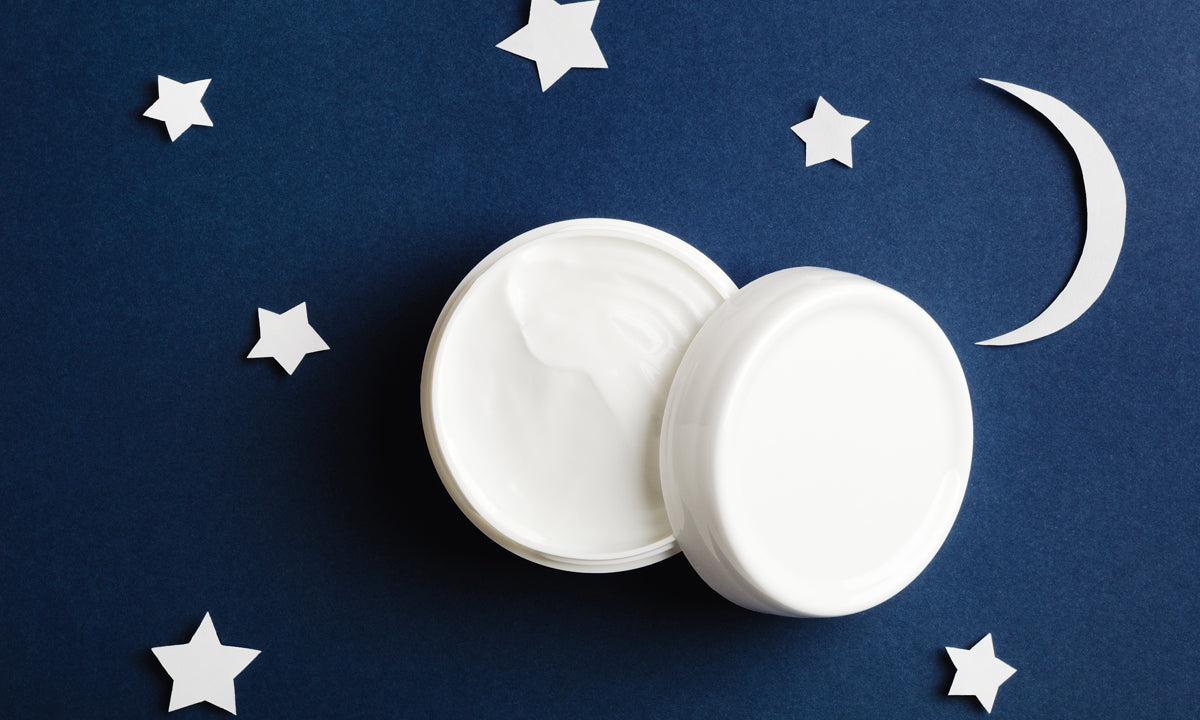
A night cream is a moisturizer intended for evening use. Its main cosmetic job is to keep the skin hydrated and comfortable after cleansing. A suitable daytime moisturizer may do the same job; you do not need a special cream to switch your skin's repair processes on.
Moisturizing ingredients can improve surface softness and reduce a dry, tight feel. A richer texture may be convenient when you are not applying makeup over it. Those benefits do not prove overnight collagen renewal, permanent wrinkle removal or recovery from sun damage.
Skin biology has daily rhythms, but that does not establish a universal nighttime absorption window for every product. A formula should be judged on its ingredients, evidence and directions, not a claim that your skin's barrier “turns off” while you sleep.
| Step | Purpose | Keep it practical |
|---|---|---|
| Gentle cleansing | Remove makeup, sunscreen and daily residue | Use an appropriate cleanser without scrubbing until tight |
| Treatment, when needed | Address a specific goal or follow a clinical plan | Follow that product’s directions; several actives are not mandatory |
| Moisturizer | Leave the face comfortable | Choose the richness your skin tolerates rather than the most complex formula |
An optional water-based hydrating serum usually goes before moisturizer. Eye cream, toner and facial oil are separate choices, not requirements for a complete routine. For exact application mechanics, use how and when to apply moisturizer.
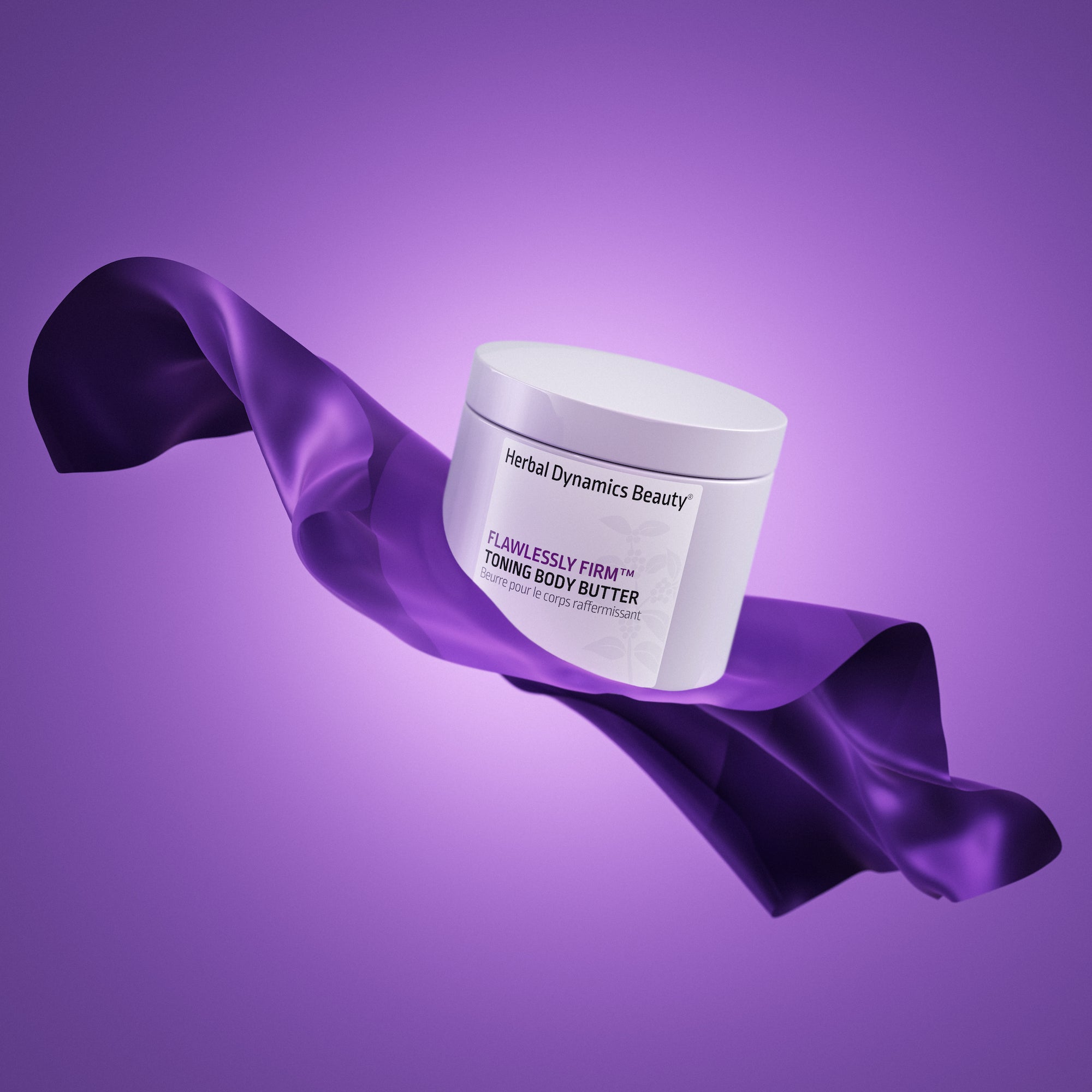
RevitAge™ Antioxidant Transforming Night Cream combines glycerin, squalane, dimethicone and niacinamide with botanical extracts. It can fit a moisturizing evening routine for someone who tolerates the formula. The listed sweet orange oil matters for fragrance sensitivity, and retinyl palmitate matters if you avoid retinoids.
Do not choose it as a treatment for acne, eczema or a rash. Compare it with simpler options in the night-cream buying guide. If your existing cream already works well in the evening, there may be nothing to add.
A moisturizing mask can sometimes serve as the final moisturizing step, depending on its directions and how it feels. It need not go over an already rich cream. Read overnight mask versus night cream before stacking products, particularly if either contains fragrance or ingredients that have irritated you.
A dry face may appreciate a cream; an oilier face may prefer a light lotion. Mature skin may need more comfort, but does not automatically need more active ingredients. If treatment causes persistent burning or peeling, consult its directions or your clinician instead of covering the reaction with more layers.
Reassess comfort, cleanse as needed and use daytime sun protection. A moisturizer that felt pleasant overnight does not provide SPF unless it is specifically labeled as a sunscreen. The day-versus-night comparison covers those practical differences.
If you decide an occasional sleeping format is useful, compare overnight face masks. Review mask and active scheduling before adding it to treatment nights.
By Herbal Dynamics Beauty · Updated September 21, 2026.
Use the full evening routine for cleansing and treatment scheduling. Keep product-specific and prescription instructions first; an additional cosmetic step is optional.