
Your Cart is Empty


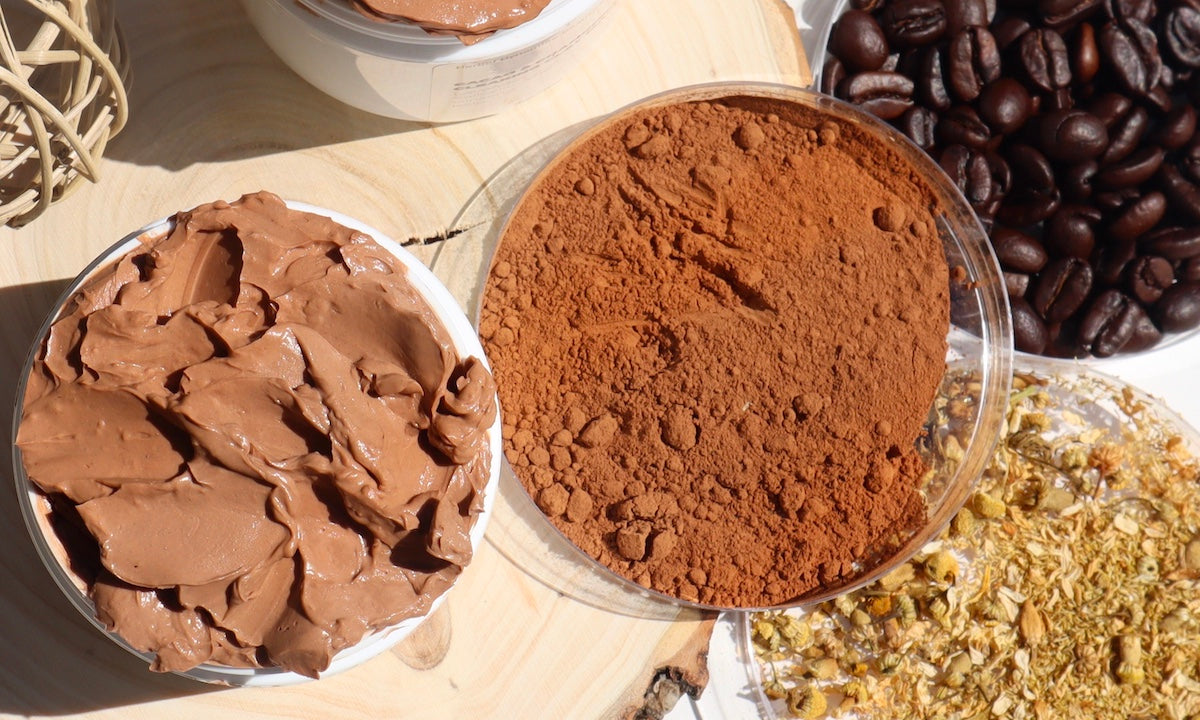
With all of the buzz about antioxidants and vitamins for preventing skin from prematurely aging, minerals often get lost in the shuffle, but many people ask what are the best minerals for skin health and how can they get more of each?
The fact is that minerals are an integral part of skin health. Our skin needs certain minerals in order to stay healthy and produce the proper amounts of collagen and elastin to keep looking youthful.
While you may be familiar with minerals for maintaining your immune system and healthy bones, these substances are also vital for your skin. Since skin is an organ of your immune system, it makes sense that their needed for outer health, too! Let's learn about how zinc, calcium and others promote healthier skin inside and out.
At the top of every list of minerals for good skin health is zinc. It’s critical for collagen production, which prevents skin aging and thinning of the skin. Zinc is also extremely important for helping wounds heal. This applies not only to an injury or wound, but also for skin cell regeneration and repair.
You’ll find 6% of the total amount of the body’s zinc is in the skin. It’s found in the epidermis and the dermis; in the dermis zinc is found at five times the amount found in the epidermis. Zinc serves to stabilize cell membranes and helps with basal cell division and differentiation.
Dietary zinc supports normal body functions, but it is not sunscreen. Zinc oxide serves as a UV filter when formulated and tested in a labeled sunscreen. Eating zinc-rich foods or taking zinc supplements does not provide the same protection.
On top of its antioxidant properties, zinc acts as an anti-inflammatory, which helps to prevent or reduce skin inflammatory issues like acne, eczema and rosacea. Another role that zinc plays in the skin is that it helps to regulate the production of sebum, which is the oil secreted by the skin pores and follicles. Because of this, it helps to regulate overly oily skin.
There are many topical skin creams that have zinc in their formulations, but if you would like to get more zinc in your diet, consider pumpkin and sesame seeds, wheat germ, dark chocolate, garlic, seafood like crab, and squash.
Magnesium has long been touted for its central role in promoting healthy bones, teeth, hair, and muscles. But perhaps it’s best known for it’s role in keeping the nervous system healthy. In fact, it’s often referred to as the “anti-stress mineral,” because it helps calm our nervous system by putting it into a relaxed state using enzyme activity.
When our bodies are stressed, our adrenal glands produce cortisol, which uses up a variety of vitamins including C, B, and magnesium, which are all important for not only good health, but good skin as well. By consuming and applying magnesium, our bodies can respond to stressful situations more efficiently, reducing the chance of oxidative stress doing damage to our skin.
Here’s something else to consider: when you have a deficiency of magnesium, your body responds with poor digestion and poor sleep, which both work to prevent optimal health and prevent you from having youthful, healthy, and glowing skin.
You can increase magnesium in your diet by eating almonds, cashews, peanuts, quinoa, black beans, and dark leafy greens.
Unlike magnesium, manganese works in your body by keeping your blood cells at their optimal levels, while helping to oxygenate your body. Both are critically important to have healthy skin. Manganese also helps the skin cells produce collagen by activating enzymes that help your body produce proline - an important amino acid that builds healthy collagen fibers and gives them form, suppleness, and most importantly, their elasticity.
Manganese participates in normal enzyme functions. That nutritional role does not establish that supplements prevent photoaging or that extra manganese improves skin beyond an adequate intake. Discuss a suspected deficiency with a qualified clinician.
A diet rich in leafy vegetables, beans, seeds, nuts, and whole grains can provide additional manganese to the body.
Like many other important minerals that help the body, manganese can be toxic if inhaled or ingested in large quantities. It can affect the nervous system in negative ways, and this is especially important for higher risk groups like newborns, children and seniors.
Remember your mother reminding you to “drink your milk?” Well, she had the right idea, because milk is high in calcium, also known as vitamin D. Calcium is very important for bone and organ health, and skin is the largest organ in your body!
Do not use intentional unprotected sun exposure as a vitamin D strategy. Foods, fortified foods and, where needed, clinician-guided supplementation can be discussed without treating UV injury as a skincare benefit.
Cell research involving vitamin D does not establish photoprotection from dietary calcium, a calcium supplement or a cosmetic ingredient. Nutrients and tested sunscreen filters have different roles.
Calcium also plays a key role in promoting wound healing and tissue repair. Lack of calcium can lead to a variety of skin disorders including psoriasis, atopic dermatitis, acne, rosacea, and others.
Milk and dairy are the best sources of calcium, and some limited exposure to the sun each day gives our bodies the vitamin D we need.
For healthy hormone production, nothing beats selenium, which is also a potent antioxidant. It works on skin elasticity and flexibility as well. In addition, selenium is an effective anti-inflammatory, helping to prevent damage to healthy skin cells. You can get selenium from Brazil nuts, sardines, and other cold-water fish.
Sulfur (pictured above) is found in every cell in the body, but most people don’t get enough of it in their diet. By consuming it in foods, it will aid in the production of collagen and keep the skin flexible. Many skincare product formulations use it to reduce inflammation and promote skin healing, as well as to treat acne. Foods like grass-fed beef, egg yolks, radishes and onions are high in sulfur.
Sulfur can be harmful if used topically in excess, as it can burn the skin where it’s applied, so be cautious and patch-test any sulfur-containing products first before applying to your face.
Copper is another key mineral, as it enhances the function of antioxidants and works with zinc and vitamins to help create elastin, the protein that keeps skin flexible and firm.
Silica is an important mineral that is used to firm and tighten the skin, keeping it looking smooth.
Most minerals applied topically require a carrier molecule that helps the minerals penetrate to deeper levels of the skin. Some minerals can be dissolved in water in order to become bioavailable and usable to the skin.
But for maximum impact topical application is the preferred delivery method for minerals, and many skincare product formulations include key minerals for their important contributions to skin health. Hopefully this article on the best minerals for skin health and how to get more of them was useful and informative.
Use the facial sunscreen guide to choose broad-spectrum SPF 30 or higher and apply it properly. FDA guidance explains why tested sunscreen claims, protective clothing and correct use matter; ingredient or nutrition research is not an SPF rating.
Content updated October 8, 2026.






