Your Cart is Empty


Shea, mango and cocoa butter can all contribute richness and softness to body-care formulas. There is no universal best butter for everyone. The finished formula, fragrance, other ingredients and your skin’s response matter more than choosing a winner by plant name.
This page compares ingredient butters. For finished lotions, creams and body butters by skin need, use our body moisturizer buying guide.
| Ingredient | Common label name | How to evaluate it |
|---|---|---|
| Shea butter | Butyrospermum parkii butter | Consider the complete formula and whether its richness suits the area. |
| Mango butter | Mangifera indica seed butter | Distinguish the seed fat from mango fruit or extract claims. |
| Cocoa butter | Theobroma cacao seed butter | Separate its emollient role from unsupported scar or stretch-mark promises. |
Refining, blending and the amount used can change texture and scent. A raw butter’s feel is not a reliable prediction of how a lotion containing it will behave. Nor does a botanical name reveal a finished product’s irritation or breakout risk.
Shea can be part of a body moisturizer’s emollient system. It does not have to replace humectants or other useful ingredients. Our existing shea butter guide discusses the ingredient and facial tolerance; body product selection still depends on the area and complete formula.
Mango seed butter is a fatty ingredient. Claims about eating mango, fruit vitamins or mango-derived extracts should not be transferred automatically to the seed butter in a cream. Read mango butter benefits and limits for that distinction.
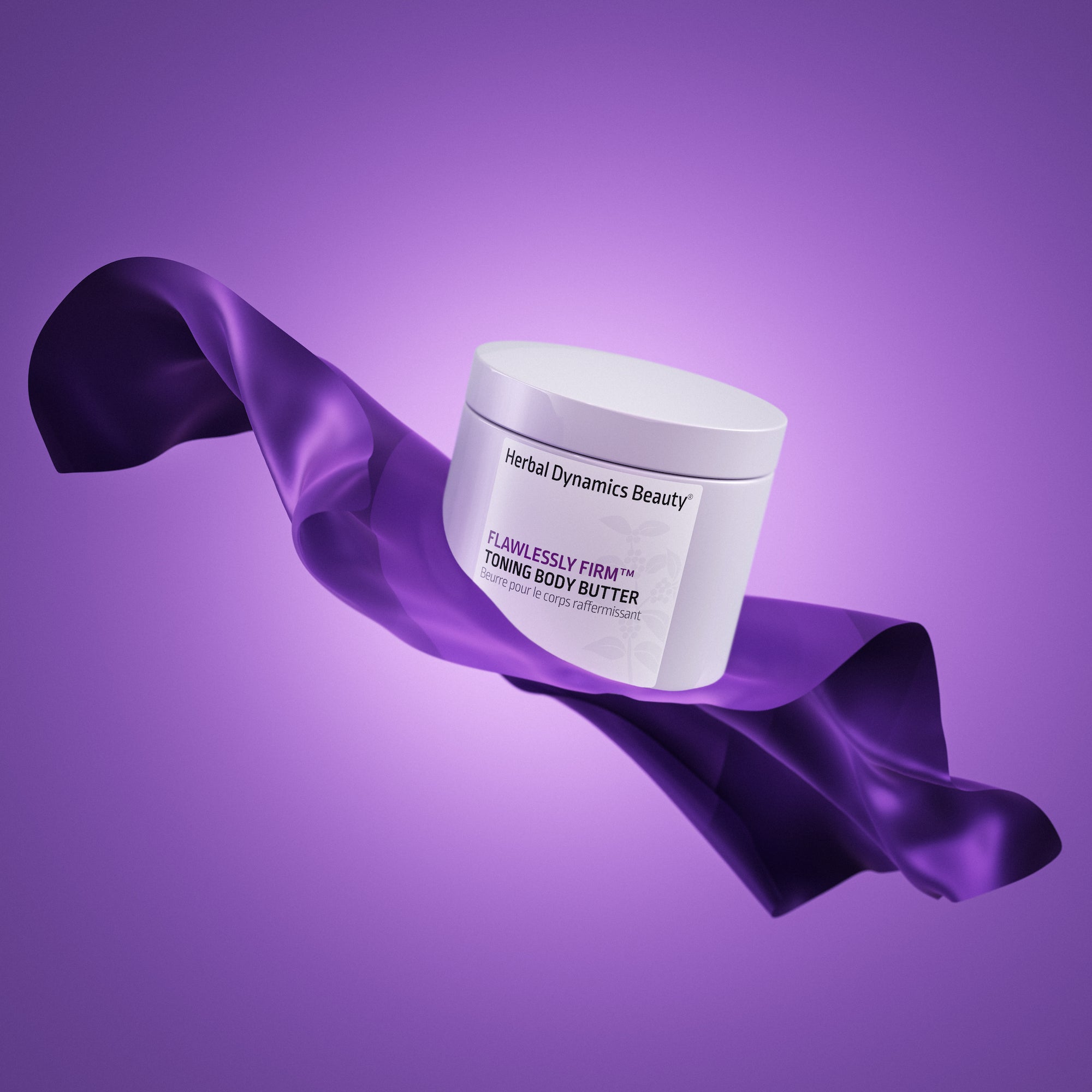
Flawlessly Firm™ Toning Body Butter provides one finished example: a water-containing body butter with mango butter, glycerin, oils and dimethicone. It also contains fragrance and retinyl palmitate, so the botanical butter alone cannot determine suitability. Its body-butter guide covers those checks.
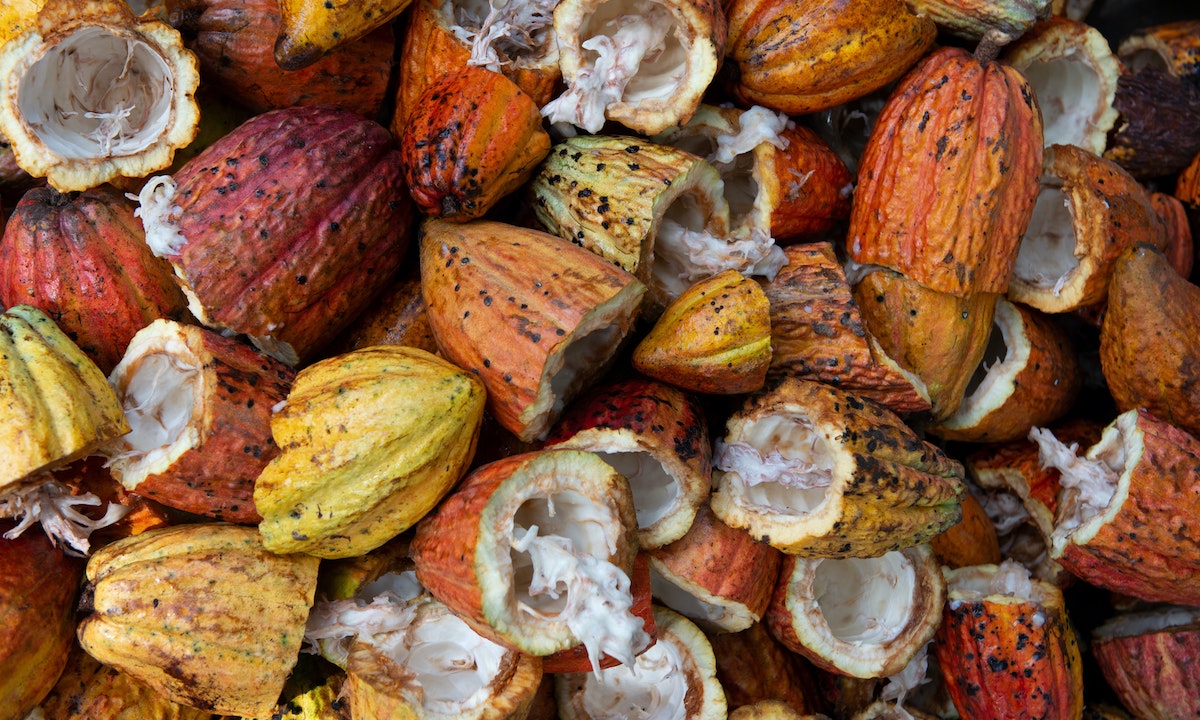
Cocoa butter can add richness to a product. It should not be promised to erase scars or prevent stretch marks. Our cocoa butter guide explains the moisturizing role and the relevant clinical evidence.
Pure butter supplies a largely fatty material. A complete emulsion can combine that material with water, humectants and other ingredients. Water is not a useless filler, and fatty alcohols or silicones are not automatically undesirable. The formula needs to perform as a whole.
Choose body lotion, cream or butter by the texture you can use comfortably. A dense waterless product may be more than you want on a sweaty back, while a richer finish may be welcome on a dry elbow.
The review of plant oils and skin effects illustrates how much evidence varies by material and study. It is a reason to evaluate carefully, not a ranking of every butter on the market.
By Herbal Dynamics Beauty • Updated September 24, 2026