Your Cart is Empty


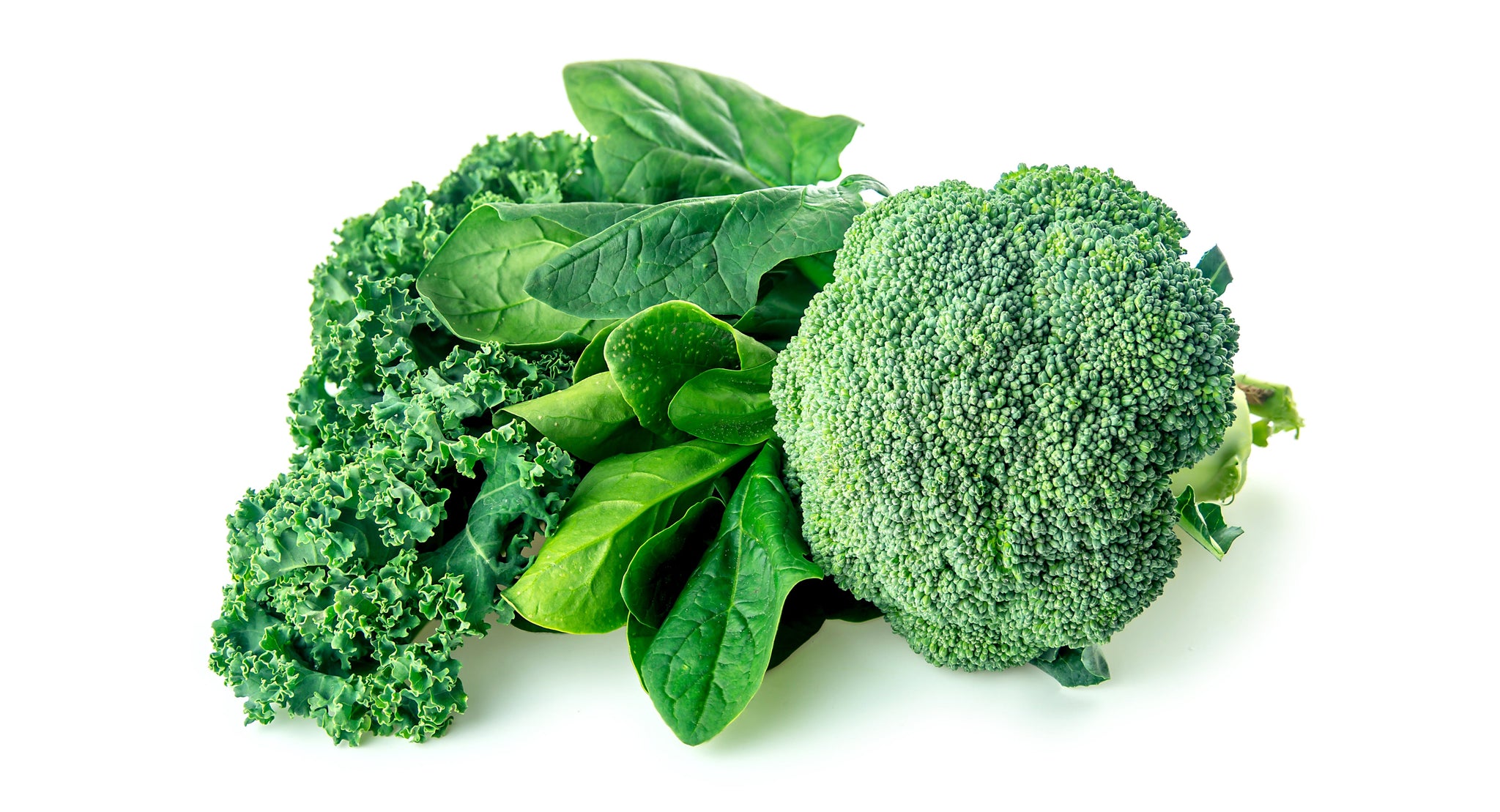
Adequate protein and vitamin C help the body maintain normal collagen formation. A balanced diet can supply those needs; no single food reliably lifts skin, erases wrinkles or targets collagen only to your face. More of a nutrient is not automatically better once needs are met.
The body builds proteins from amino acids obtained through dietary protein and normal metabolism. Vitamin C supports enzymes involved in collagen formation. The NIH vitamin C fact sheet explains that nutrient’s established role and the difference between adequacy and deficiency.
Skin aging does not mean the body simply stops making collagen. Structure reflects ongoing production, breakdown and organization, influenced by time and exposures. See collagen versus elastin for that wider picture.
| Food group | Practical examples | How it fits |
|---|---|---|
| Protein-rich foods | Beans, lentils, tofu, eggs, fish, poultry, meat or dairy according to preference | Contribute amino acids; use varied sources that suit your diet |
| Vitamin C-rich fruit | Kiwi, citrus, strawberries and other fruit | Help meet vitamin C needs without requiring a beauty supplement |
| Vitamin C-rich vegetables | Bell peppers, broccoli and similar vegetables | Offer another route to vitamin C and dietary variety |
| Nuts and seeds | A portion of nuts or seeds that you tolerate | Add dietary variety, fats and some protein; not a wrinkle treatment |
| Whole-food meal combinations | Beans with vegetables, tofu with broccoli, or a protein source with fruit | Make adequacy practical instead of relying on one “collagen food” |
These are meal-building ideas, not a prescription. Allergies, kidney disease, digestive conditions, pregnancy and other circumstances may require individualized nutrition advice.
No. Normal collagen production does not require eating animal collagen specifically. Dietary proteins are digested and used by the body; consuming collagen does not send intact fibers directly to facial skin. A suitable varied diet can provide protein and vitamin C without a collagen supplement.
Bone broth can be a food you enjoy, but its composition varies and it should not be assigned a guaranteed skin-firming dose. Similarly, fruit is food—not a substitute for sunscreen or a clinically tested topical preparation.
Supplement research is a separate question from food-based adequacy. Trial results depend on the preparation, participants and outcome, and should not be transferred to every powder or gummy. Supplements can also add cost, allergens or interactions.
If your intake is restricted, you suspect a deficiency or you take medicines, ask a qualified clinician or registered dietitian what you actually need. Wrinkles alone are not a diagnosis of nutrient deficiency.
Food supports the whole body. A moisturizer works directly on surface hydration, while sunscreen reduces exposure to damaging UV. Sun-protection habits remain necessary even with a balanced diet. No antioxidant-rich menu supplies a labeled SPF.
For topical choices, read vitamins in skincare versus diet, topical collagen and ingredients for wrinkle appearance. These routes should not be presented as interchangeable.
Include a protein source and fruit or vegetables across ordinary meals, choose a pattern you can sustain and avoid rigid “anti-aging” food rules. Good nutrition supports health; it is not a promise to look a particular age.
General cosmetic education; not a diagnosis or individualized treatment plan. A qualified clinician can assess persistent skin changes and prescription or procedure options.
By Herbal Dynamics Beauty • Updated September 19, 2026