Your Cart is Empty


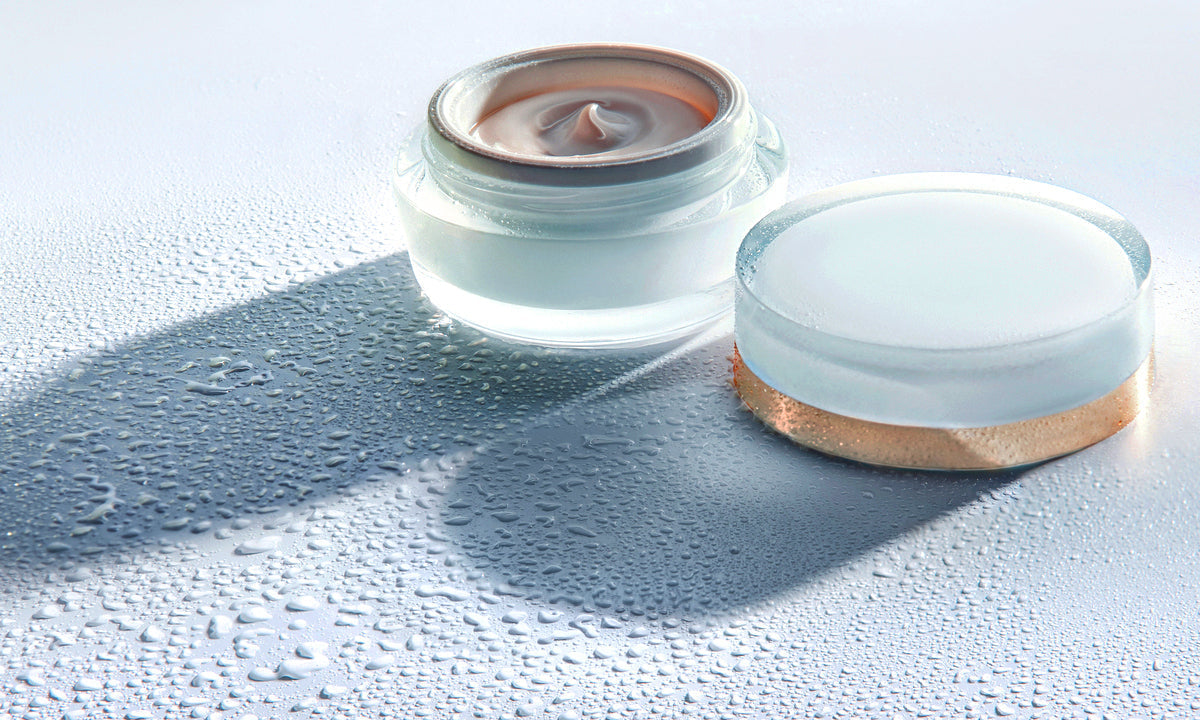
The retinol sandwich method means applying moisturizer before retinol and again afterward. It is a buffering approach that may improve comfort for some people and formulas. It is not a guarantee against irritation, and it should not override a medicine's directions or a prescriber's plan.
Moisturizer supports hydration and can change how a subsequently applied product spreads and reaches the skin. That change may be useful when direct application feels drying. It also means the sequence cannot be assumed to leave delivery identical for every formula.
American Academy of Dermatology guidance describes moisturizer-before-retinoid use as one option when a retinoid is too drying. This supports buffering as a practical strategy, not a claim that every three-layer “sandwich” has been shown equally effective in a controlled trial.
Any waiting interval should come from the relevant instructions; the method does not establish one mandatory interval for every bottle. The full retinol application guide covers the rest of the routine.
| Useful feature | Why it matters |
|---|---|
| A formula you already tolerate | Introducing retinol and a new moisturizer together makes reactions harder to trace |
| Appropriate texture for your skin | A lighter lotion or richer cream should suit your comfort, not a universal rule |
| No unnecessary extra actives | An exfoliating or retinoid-containing moisturizer defeats the purpose of simplifying |
| Suitable hydration and emollients | Ingredients such as glycerin and lipids can support comfort without neutralizing all irritation |
Use the moisturizer buying guide to choose by skin needs. You do not need two different moisturizers just because the method has two moisturizing steps.
There is no universal percentage reduction to quote. Delivery can change, and the clinical effect depends on the product and use. A comfortable routine may be easier to maintain, but that does not prove identical results under every application order.
If a manufacturer has studied a particular sequence, use those directions. For prescription treatment, ask the prescriber how to manage dryness instead of assuming a cosmetic technique is interchangeable with the prescribed regimen.
Do not use it to push through persistent burning, a rash, swelling or painful peeling. Pause the optional cosmetic and follow irritation guidance. Skin that is actively inflamed, sunburned or damaged needs assessment and simpler care.
A thick occlusive layer over an active is not automatically gentler. Do not assume sealing retinol under a heavy ointment improves safety; check the product or clinician's guidance. If your retinol moisturizer is already comfortable on its own, extra layers may serve no purpose.
A humectant serum can add hydration but is not the same as a complete moisturizer. The hyaluronic-acid combination guide explains the difference. Adding more watery layers may also conflict with directions requiring the active on dry skin.
Avoid topical retinoids during pregnancy or while trying to conceive. Discuss breastfeeding with your healthcare professional; see pregnancy and breastfeeding guidance.
Maintain daytime sun protection regardless of application order. Moisturizer buffering does not supply sunscreen or remove retinoid precautions.
By Herbal Dynamics Beauty. Updated September 23, 2026. General skincare education; a healthcare professional can advise on medical conditions and medicines.