Your Cart is Empty


An oily T-zone with drier cheeks usually calls for adjusting product texture or placement—not stripping the whole face. The forehead, nose and chin can look shinier than other areas. Acne treatment should follow the acne pattern and label directions, while moisturizer can be tailored to comfort.
The term describes the forehead and the central line of the nose and chin. Sebaceous activity and visible shine are often more prominent there. This distribution is common and does not by itself identify a hormone disorder.
Combination skin describes differing needs across the face. It is possible to have both oiliness and dehydration; see dry versus dehydrated skin if the oily areas also feel tight.
| Step | Oilier center | Drier cheeks |
|---|---|---|
| Cleanser | Use a mild cleanser without extra scrubbing | Avoid prolonged contact or repeated cleansing |
| Moisturizer | Try a lighter layer or lotion texture | Use enough moisturizer for comfort; a richer texture may suit |
| Acne treatment | Apply where indicated by the product or prescriber | Do not spread an optional exfoliant onto irritated areas just for symmetry |
| Sunscreen | Choose a finish you can tolerate | Maintain adequate coverage on all exposed areas |
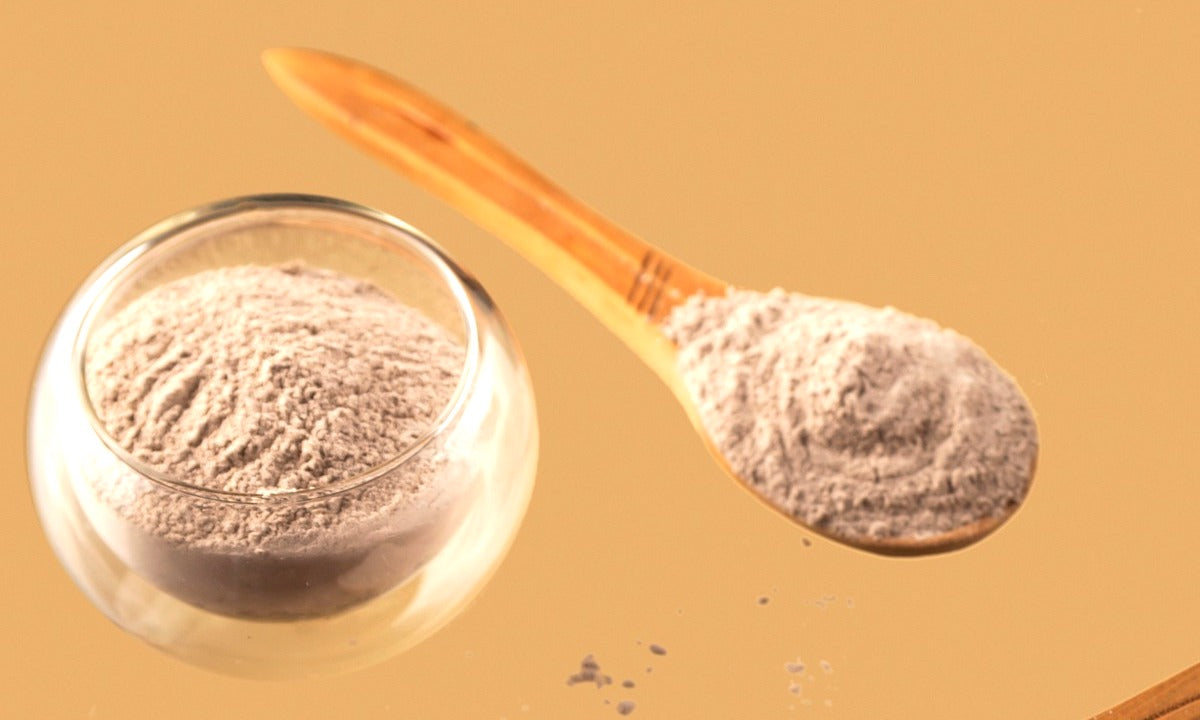
| Optional clay mask | Small-area use may reduce surface shine temporarily | Skip areas that are dry, sensitive or peeling |
Do not under-apply sunscreen on oily areas to make it feel lighter. Choose a more comfortable formula instead. When a medication specifies application across an acne-prone area, follow those directions rather than using it only on visible spots.
A toner is optional. An astringent sensation does not permanently tighten pores or prove that oil production has been corrected. Some toners contain alcohol, fragrance or exfoliating acids; adding them to an already drying regimen can make the cheeks uncomfortable.
The toner guide explains hydration versus exfoliation. For the causes of excess oil rather than its distribution, read why skin gets oily.
Many small uniform dots are sebaceous filaments. They do not need extraction. Distinct plugs may be blackheads, while inflamed pimples need an acne plan. The clogged-pore guide separates those concerns.
Start with one gentle cleanser, one moisturizer and sunscreen. Adjust application or texture before adding several extra products. If acne is present, incorporate an appropriate treatment consistently. A humectant serum may help comfort, but it is not a mandatory oil-control step.
Use the acne-prone skincare buying guide for selection and the oily-skin mistakes guide to troubleshoot stripping, active stacking or rigid ingredient bans.
Persistent itching, greasy scale, burning or redness can indicate a condition that needs a different plan. Do not assume every flaky patch needs stronger exfoliation. Seek care if symptoms persist or acne is painful or scarring.
Avoid repeatedly washing the nose until it feels dry. Compare combination-skin cleansers and cleansers for oily skin by after-feel and tolerance.
Only if it serves a remaining goal and the product is comfortable. Niacinamide for oily and combination skin explains the oil evidence and regional application choices. Dry cheeks may need a different moisturizer texture rather than a stronger serum. Use the niacinamide overview and product-selection guide without treating a skin-type label as a guarantee of tolerance.
By Herbal Dynamics Beauty • Updated September 25, 2026