Your Cart is Empty


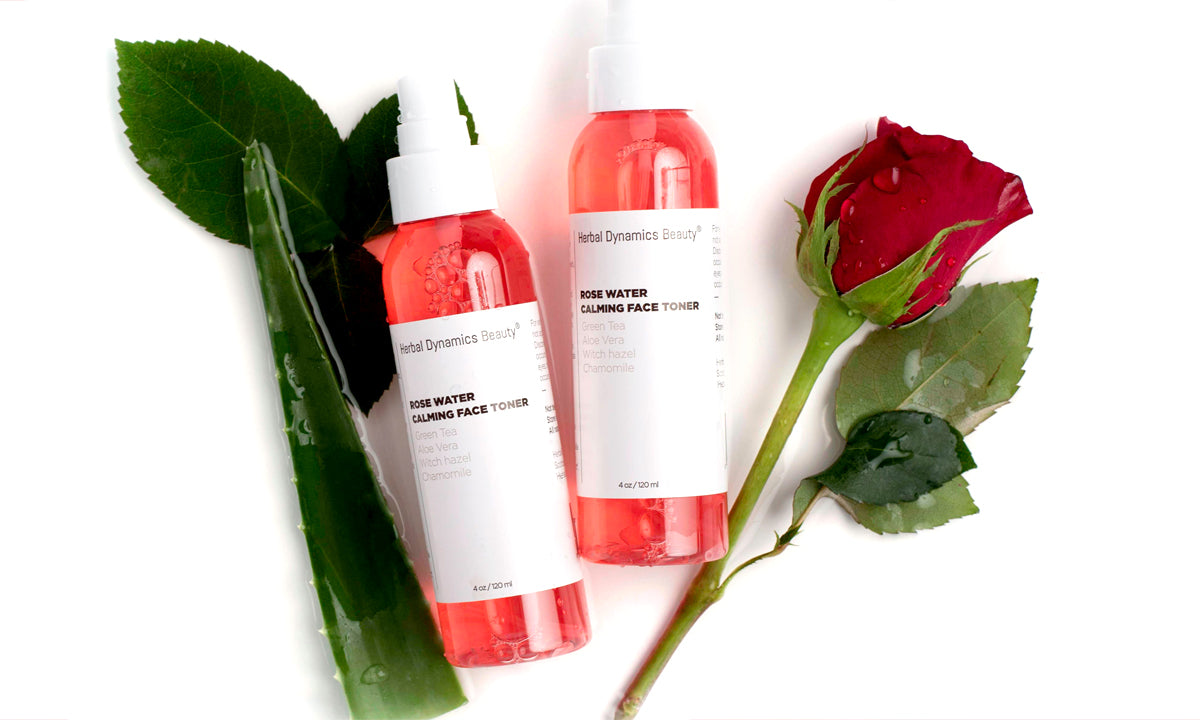
Rose water can be a pleasant, lightly scented part of a refreshing facial toner or mist. Lasting hydration and tolerance depend on the complete formula, and rose water is not an established treatment for acne, eczema, rosacea or wrinkles. It is optional, even if you enjoy botanical skincare.
A rose hydrosol is the water-based material collected during distillation of rose flowers. Products marketed as rose water may instead contain water, rose ingredients and other cosmetic ingredients. A homemade petal infusion is not equivalent to a preserved commercial hydrosol.
Check the ingredient list: Rosa damascena flower water, flower extract and flower oil are different materials. Our rose ingredient label guide explains those distinctions. Rosehip oil is another separate ingredient, with a different texture and routine role.
| Claim | What to expect |
|---|---|
| Refreshing feel | A light water-based application can briefly wet and refresh the skin |
| Hydration | A formula with glycerin or hyaluronic acid may offer a useful humectant layer; rose water alone is not a substitute for moisturizer |
| Comfort | A formula you tolerate may feel pleasant; fragrance or other ingredients can also irritate |
| Antioxidant protection | Laboratory activity does not establish a clinical benefit for every rose toner |
| pH balance | The finished product must be measured; a rose name does not guarantee a particular pH |
In a 2023 hydrosol study, researchers used plant and human-lymphocyte laboratory test systems. That is research interest, not a facial trial showing fewer wrinkles, acne lesions or redness. Evidence about an essential oil, a concentrated extract or an oral preparation cannot simply be transferred to a rose-water mist.
The composition of a flower or rosehip does not establish the vitamin concentration in distilled water or a finished toner. A rose product should not be treated as a vitamin C serum without a suitable labeled vitamin ingredient and relevant formulation evidence. There is no basis here to promise dermal collagen rebuilding from routine misting.
If those are your goals, compare antioxidant skincare evidence and collagen and elastin.
Natural scent is still fragrance exposure, and individual reactions matter. Do not use rose water to disinfect acne lesions, soothe every rash or replace a prescribed treatment. For a detailed suitability check, read rose water for dry and sensitive skin.
“Toner” describes a routine category; “mist” describes how a product is dispensed. One formula can be both. A rose spray intended for facial use is usually an optional step after cleansing or a label-approved refresher. It is not automatically a makeup remover or setting spray. Follow the rose-water application guide and compare face-mist benefits.
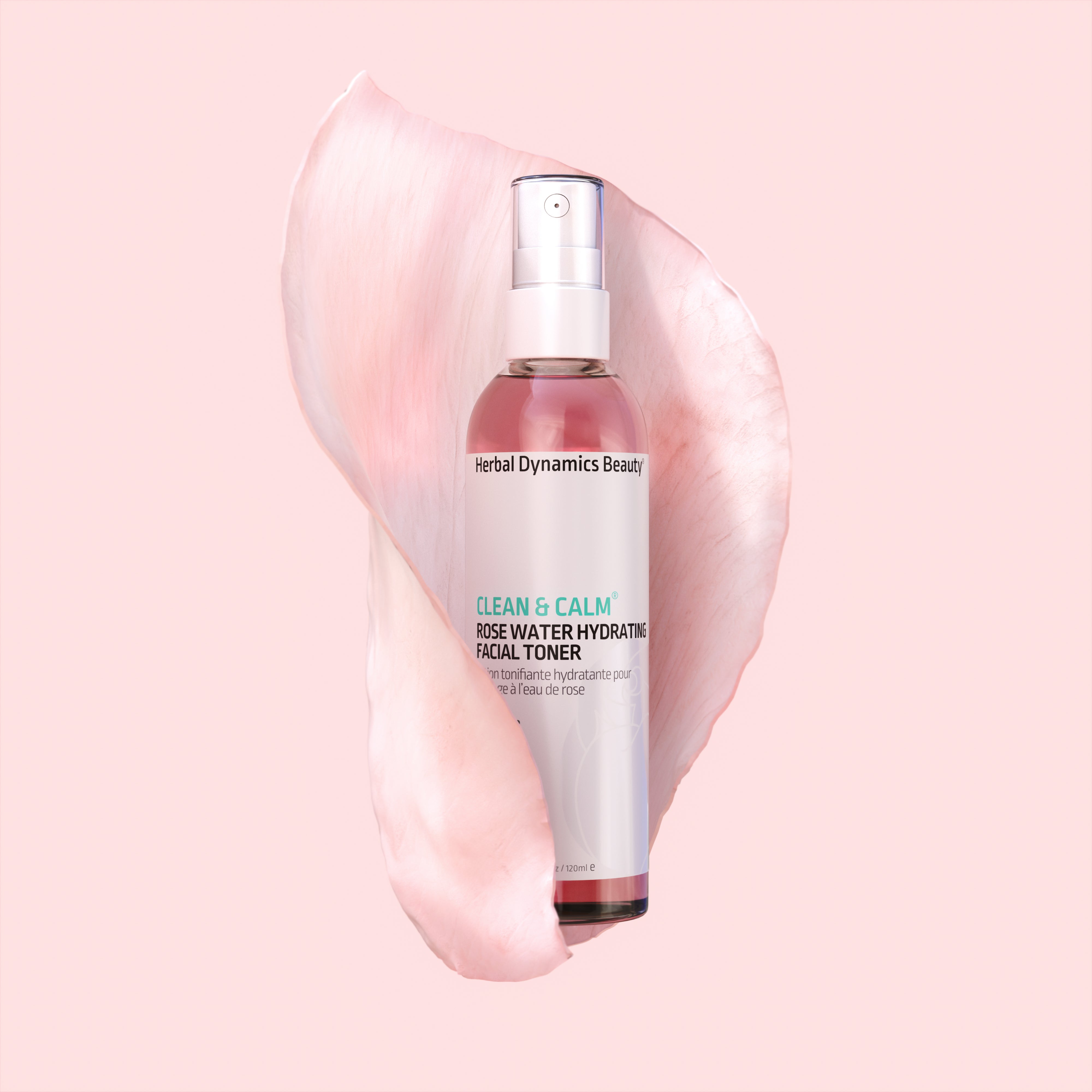
Clean & Calm® Rose Water Hydrating Facial Toner remains out of stock as of September 20, 2026. Its current ingredient list includes glycerin, witch hazel, aloe, alcohol, rose flower oil, chamomile and hyaluronic acid. It is a multi-ingredient formula, not pure rose hydrosol, and should not be described as alcohol-free or fragrance-free.
For an available toner suited to your needs, use the toner selection guide. The main facial-toner guide explains when adding this step makes sense.
For a dry-feeling face, compare rose-water products with the hydrating-toner selection criteria. A floral name does not establish humectant content, fragrance tolerance or a need for another routine step.
Updated September 20, 2026. General skincare education.