Your Cart is Empty


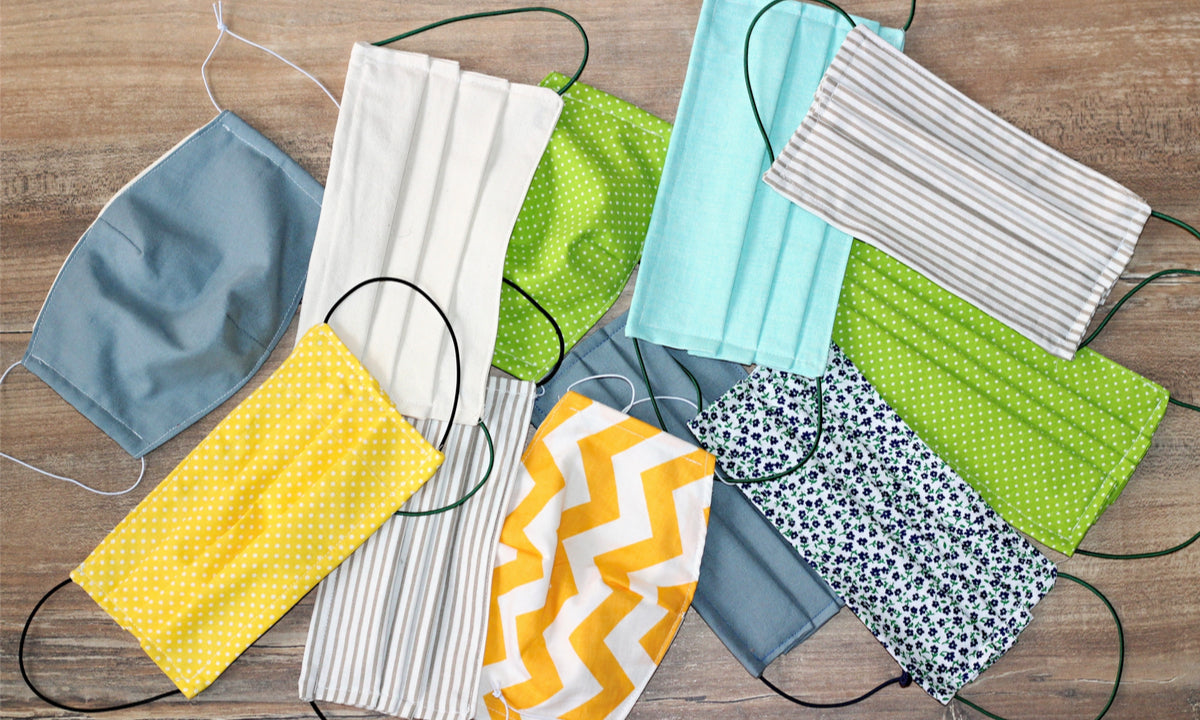
Friction, pressure, heat and trapped moisture from equipment can aggravate acne in some people. This is often called acne mechanica. A rash beneath a mask can also be irritation or allergy, so every new bump should not automatically be labeled maskne.
Contact areas under helmet straps, chin guards, tight headwear or masks may develop bumps. Itching, burning, scale or a rash without typical comedones raises other possibilities. A clinician can distinguish acne from dermatitis or folliculitis when the appearance is unclear.
The AAD guide to sports equipment and acne describes the relationship between contact, moisture and breakouts. The broader acne overview explains why acne still has several contributing causes.
Follow workplace, healthcare and sports guidance for protective equipment. Do not cut, loosen, pad or remove a device in a way that compromises its fit or intended function.
A tolerated moisturizer can support comfort, while repeated astringent wiping may make irritation worse. If acne medicine is needed, follow its label and consider whether occlusion or friction makes it harder to tolerate. Do not add several acids to the contact area at once.
The cleanser guide and moisturizer guide help choose basic support. For hairline contact, see forehead and hair-product breakouts.
Seek assessment for painful lesions, scarring, significant skin breakdown, a spreading rash or symptoms that persist despite reasonable adjustments. An equipment-related rash may require a different approach from acne treatment.
If sports equipment and sweating are part of the problem, skincare around exercise helps plan the surrounding routine without treating every post-workout bump as the same condition.
Updated September 20, 2026. General skincare education, not a diagnosis or individualized treatment plan. Seek professional care for deep, painful, scarring, persistent or rapidly worsening acne.