Your Cart is Empty


Improving skin texture starts with identifying the cause. Dryness, clogged pores, irritation and acne scars can all feel uneven, but they need different care. Exfoliation may help surface roughness; it cannot make normal skin poreless or fill deep scars.
| What you notice | Possible explanation | A practical starting point |
|---|---|---|
| Fine flakes and tightness | Dryness or irritation | Gentle cleansing and moisturizer; pause optional acids if products sting |
| Small closed bumps or dark plugs | Comedones, although other bumps can look similar | Clogged-pore assessment and care |
| Uniform dots mainly on the nose | Normal sebaceous filaments | Learn the difference before extracting |
| Persistent pits or raised areas after acne | Textural scars | Dermatology assessment; a scrub cannot level these |
| Diffuse roughness without burning | Surface texture that may respond to a suitable cosmetic | Consider one tolerated exfoliant after the basic routine is stable |
These are possibilities, not a diagnosis. A persistent scaly patch, bleeding spot, painful rash or changing lesion should be assessed rather than repeatedly exfoliated. Similar-looking bumps can include milia or folliculitis, which are not all managed like acne.
Flaking is not always excess dead skin that needs removal. Overwashing and repeated acids can leave the surface rougher. Use lukewarm water, minimize rubbing and apply a moisturizer that feels comfortable. Dry and dehydrated skin can overlap, but adding water alone does not replace moisturizing care.
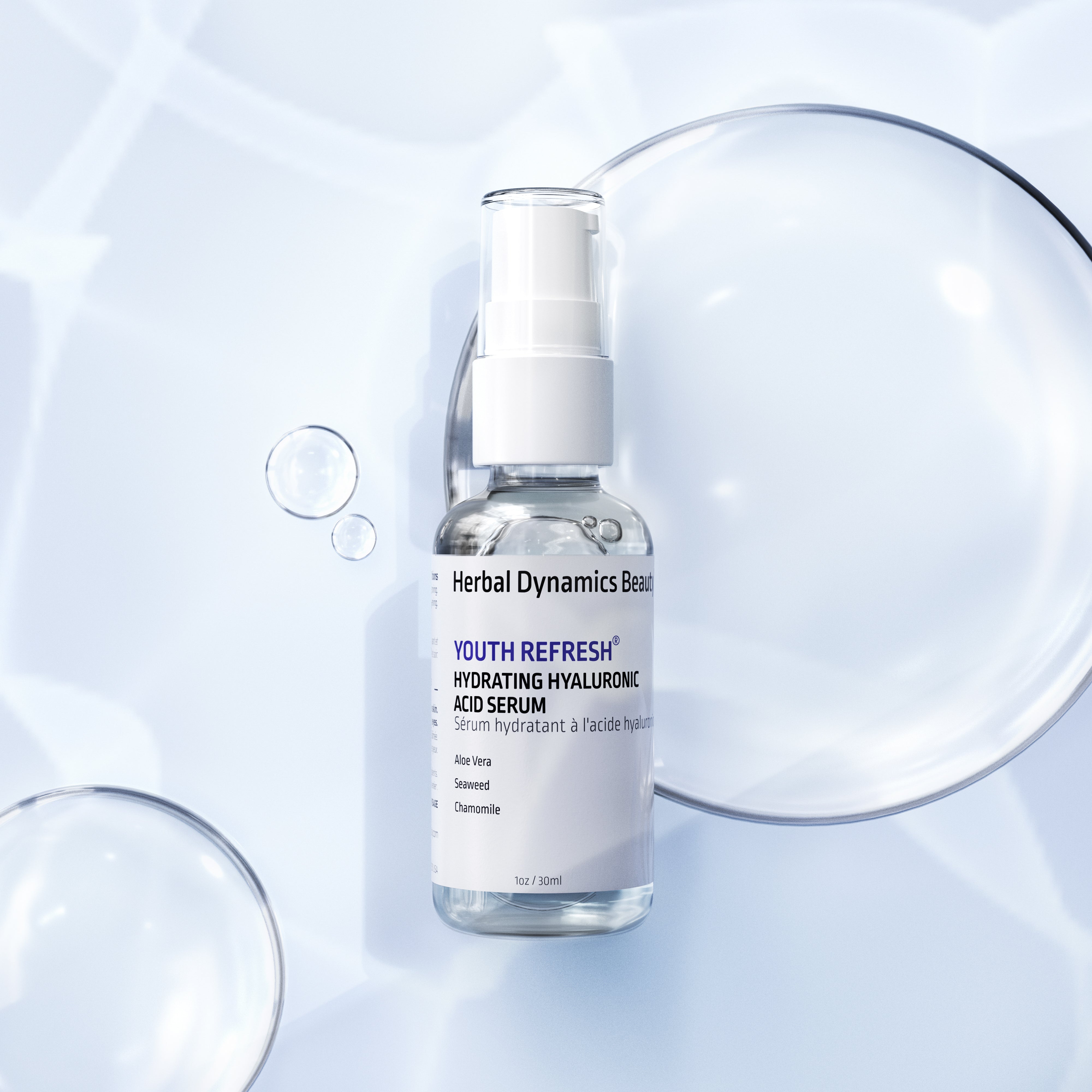
On comfortable skin, Youth Refresh® Hydrating Hyaluronic Acid Serum can add humectant hydration before moisturizer. Its hyaluronic acid, glycerin and sodium PCA do not establish a scar-remodeling or exfoliating effect. Stop any formula that stings persistently, even if it is marketed for hydration.
For acne comedones, salicylic acid may be useful in an appropriately labeled product. Retinoids and other acne medicines have different evidence and precautions. The AAD acne guideline supports selecting treatment by the acne problem, rather than adding a daily scrub to every routine.
Pores cannot be permanently closed. Steam does not open them like doors, and sweating does not purge them clean. Read what can improve pore appearance before chasing a filtered-skin finish.
If the skin is comfortable and roughness remains, a suitable AHA or PHA product may help. For congestion, a BHA may be the better match. The rough-texture exfoliator guide compares the buying options, while the exfoliation guide explains the application steps.
Do not judge progress by stinging or visible peeling. Acid strength depends on more than percentage, and tolerance can change with seasons or other products. Stop and simplify if the result is new tightness, rawness or a rash.
A flat post-acne mark changes color; an indented or raised scar changes structure. Irritation can worsen discoloration, especially in pigment-prone skin. Exfoliating harder is not a reliable way to fade a mark faster. Use the post-acne marks guide and the scar-versus-pigment guide for those distinct concerns.
Consistent sun protection supports texture and tone care. AHAs can increase sun sensitivity during use and for a week afterward; evening application does not eliminate this. Mature skin also does not automatically need more acid. Dryness, current retinoid use and comfort should guide the decision.
A moisturizer may change the feel of dry skin quickly, while treatment of acne or pigment takes a different course. No single timeline applies to every cause. Compare your skin under ordinary lighting and avoid changing several products at once. Persistent or worsening texture deserves assessment, especially when pain, inflammation or scarring is present.
Retinol for uneven texture separates surface dryness, clogged pores and scars. The serum-selection guide helps evaluate a suitable cosmetic formula.
For roughness on the arms, legs or trunk, use the body texture guide and dry elbow and knee care. These address body-specific friction, bumps and thick patches.
By Herbal Dynamics Beauty • Updated September 24, 2026. General skincare education; persistent, painful or worsening symptoms need professional assessment.