Your Cart is Empty


A toner may affect skin-surface pH, but you do not automatically need one to “rebalance” your face after cleansing. Choose toner for a useful, tolerated function—not to correct a pH problem you have guessed from tightness, shine or dryness.
Cleansing and water exposure can temporarily influence skin-surface pH. That observation is real; the claim that everyone therefore needs a particular toner does not follow. Modern facial cleansers vary in their surfactants, pH and effects on the skin.
Skin-pH research shows that readings depend on conditions and recent washing. It does not establish that every toner restores a universal pH of 5.5. Read the skin-pH science guide for the meaning and limits of those measurements.
| After-wash experience | First decision |
|---|---|
| Comfortable skin | Proceed to your normal moisturizer and other planned steps; toner is optional |
| Tightness or burning every time | Review water temperature, rubbing, frequency and the cleanser itself |
| Dry, flaky skin | Prioritize a tolerated moisturizer and reduce irritating extras |
| Oily T-zone with comfortable cheeks | Choose products by the needs of each zone, rather than assuming a pH disorder |
| Persistent redness, rash or discomfort | Seek assessment; a pH toner is not a diagnosis or treatment plan |
Gentle washing advice from the American Academy of Dermatology is a better starting point than adding repeated astringent passes to chase a squeaky-clean feeling.
Ask what the product does, whether an exact range is actually provided, and whether its full formula suits your routine. A pH claim does not prove moisturization, acne control, increased serum absorption or freedom from irritation. Botanical ingredients do not establish the number either.
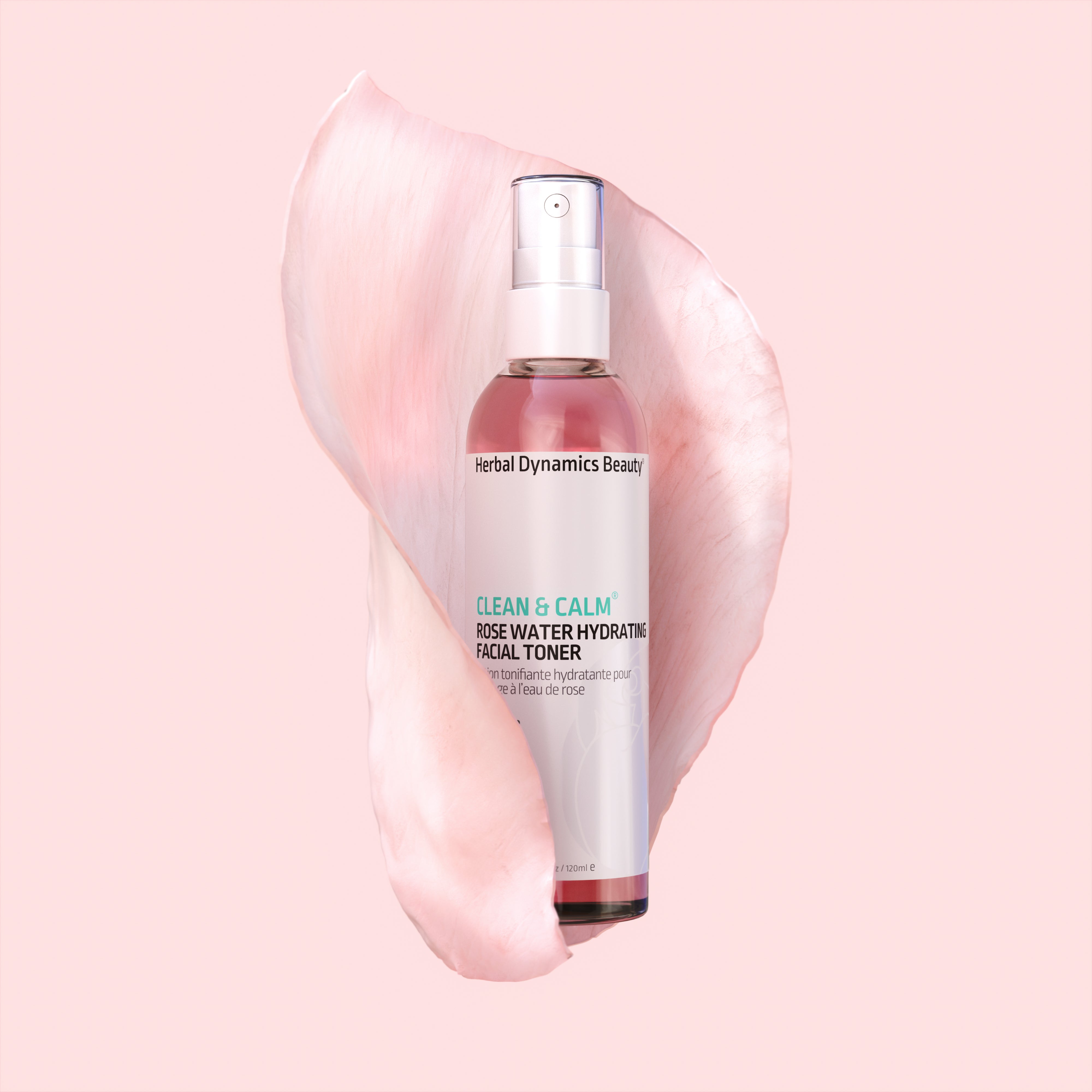
Neither the name “rose water” nor the presence of citric acid tells you the final pH. Similarly, an acid on a label may have a formulation role rather than provide a meaningful exfoliating treatment. Do not infer strength from the ingredient name alone.
Wetting skin can change how a product spreads and how a routine feels, but “better absorption” is not a universal toner benefit. Delivery depends on the active, vehicle and condition of the skin. More penetration is not always desirable when it increases irritation.
Follow treatment directions about dry skin and timing. There is no universal waiting period needed to prevent all later products from neutralizing toner. Use the application guide and the toner–essence–serum comparison for practical order.
If a comfortable humectant layer adds something your moisturizer does not, consider a hydrating toner. If you want exfoliation, evaluate the active step and its frequency separately. If skin is already stinging, follow a simpler barrier-aware routine instead of adding an acid to “fix” it.
Do not change a bottle's pH with household acids or alkalis. The finished formulation matters. Return to the facial-toner overview or the toner buying guide to choose by function.
Cleanser pH is one factor in tolerance. Read surfactants and the finished cleansing formula alongside the skin-pH guide.
Updated September 20, 2026. General skincare education.