Your Cart is Empty


Horse chestnut and kola nut appear in some body creams, but their presence does not prove that a cosmetic treats varicose veins, improves circulation or removes cellulite. Choose a product for its complete moisturizing formula and relevant testing, rather than transferring medical or oral-ingredient claims to a body butter.
Some research concerns standardized horse chestnut seed extracts used orally for symptoms of chronic venous insufficiency. The National Center for Complementary and Integrative Health describes that evidence and its limitations.
A cosmetic cream containing horse chestnut is a different preparation and route of use. Those studies do not establish that rubbing a body butter on the legs treats varicose veins or ankle swelling. Raw horse chestnut parts are unsafe to consume; do not use a botanical cosmetic label as a guide to home remedies.
Kola nut and gotu kola are different botanicals. Similar-looking names are not a reason to borrow evidence from one for the other. Likewise, a kola nut extract on a cosmetic label does not reveal a standardized caffeine dose in the finished formula.
For body-care research specifically involving caffeine, read the caffeine cream evidence guide. A known ingredient name, delivery system and concentration are important when comparing products with a study.
| Ingredient or label term | Useful question |
|---|---|
| Horse chestnut extract | Is the cited evidence oral medical research or a trial of this cosmetic? |
| Kola nut extract | Is any caffeine concentration actually disclosed? |
| Green tea extract | Does the evidence concern this preparation and the claimed body outcome? |
| Coffee seed oil | Is the claim about emollience, or is it borrowing results from caffeine? |
| Glycerin, oils and butters | Does the moisturizing base suit the dryness and finish you want? |
Our green tea evidence guide explains why antioxidant findings cannot guarantee visible firming. Coffee oil also deserves its own evidence boundaries.
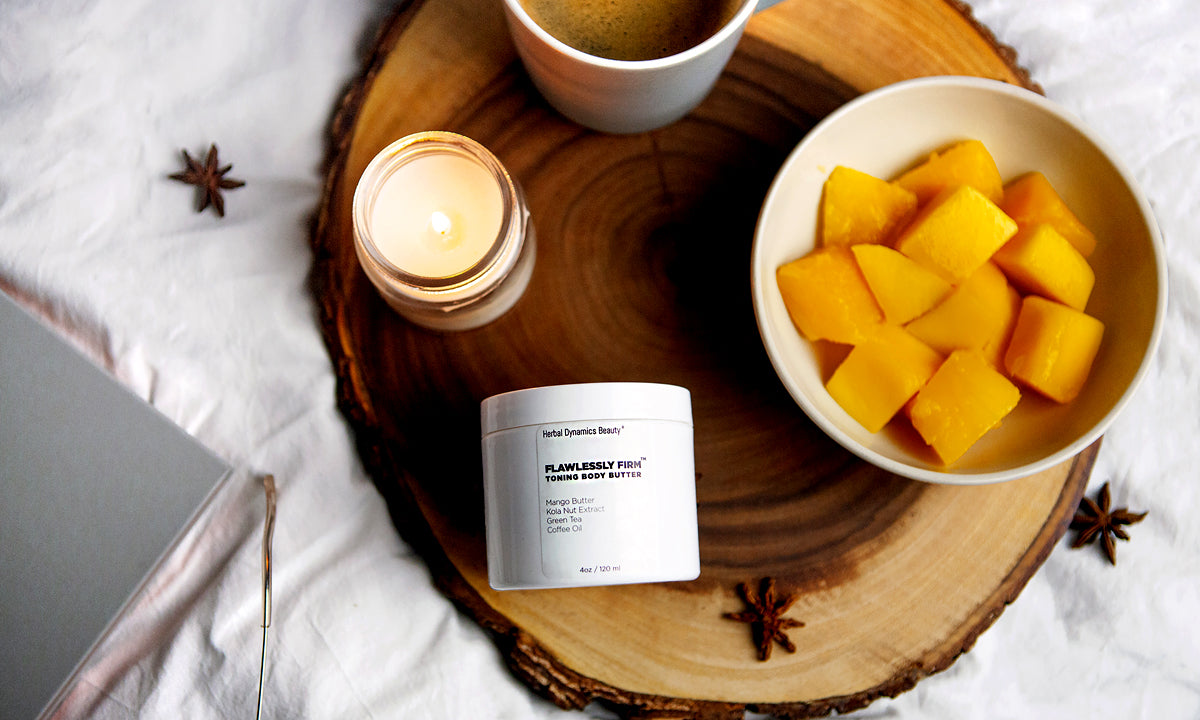
Flawlessly Firm™ Toning Body Butter includes horse chestnut, kola nut and green tea extracts, coffee oil, glycerin, mango butter and other moisturizing ingredients. It can be considered as a rich body moisturizer if you tolerate its full formula.
We do not have controlled finished-product evidence that it treats veins, leg swelling or permanent skin laxity. Those are not appropriate reasons to recommend it.
The formula contains fragrance and retinyl palmitate, a vitamin A derivative. Choose a fragrance-free alternative for fragrance-sensitive or actively irritated skin. Avoid retinoid-containing products during pregnancy or while trying to conceive; ask your clinician about use while breastfeeding. See our retinoid pregnancy and breastfeeding guide.
If dryness is the concern, begin with a gentle shower routine and a suitable moisturizer. Use the dry legs guide to address shaving, flaking and tight shins. A cream does not need a circulation claim to be useful for surface comfort.
Persistent swelling, aching veins, skin discoloration or sores require assessment. Sudden painful swelling, particularly on one side, warrants prompt care. Do not substitute massage or a botanical body product for a diagnosis.
By Herbal Dynamics Beauty • Updated September 24, 2026