Your Cart is Empty


CoQ10 can be part of an antioxidant-focused formula, but it is not a universal solution for dull-looking skin. A hydrated surface, a reflective finish and a reduction in uneven pigmentation are different outcomes. A product may improve one without demonstrating the others.
The CoQ10 overview explains its antioxidant role. To decide whether it belongs in a radiance routine, first describe what you see and feel.
| What you notice | A useful first question | How to judge a CoQ10 product |
|---|---|---|
| Tightness or flaky texture | Is the routine providing enough moisture? | Assess the moisturizing base and comfort |
| A flat-looking surface | Do you want a dewy finish or smoother texture? | Separate the immediate cosmetic finish from lasting change |
| Uneven dark patches | Is the concern pigmentation rather than dryness? | Look for evidence for that specific outcome |
| Persistent redness, scaling or discomfort | Could this need assessment beyond cosmetic shopping? | Avoid adding products to an irritated routine |
The broader dull-skin guide explores these different causes. A dull appearance by itself does not diagnose oxidative stress or a CoQ10 deficiency.
Oxidative processes are relevant to skin biology, but a laboratory antioxidant result does not tell you how bright a face will look. A useful radiance study would need a defined endpoint, consistent measurement conditions and an appropriate comparison.
When a multi-ingredient product makes skin look smoother after application, its humectants, emollients or surface film may contribute. You cannot isolate CoQ10's contribution just because it appears prominently on the package.
The evidence discussed in this guide does not establish a dependable dark-spot treatment from a generic CoQ10 cosmetic. If tone is your priority, assess ingredients and finished formulas with evidence for that goal. CoQ10 versus vitamin C explains why antioxidant ingredients should not be treated as identical.
The vitamin C and dullness guide covers that separate ingredient choice. Avoid adding both simply to cover every possible mechanism.
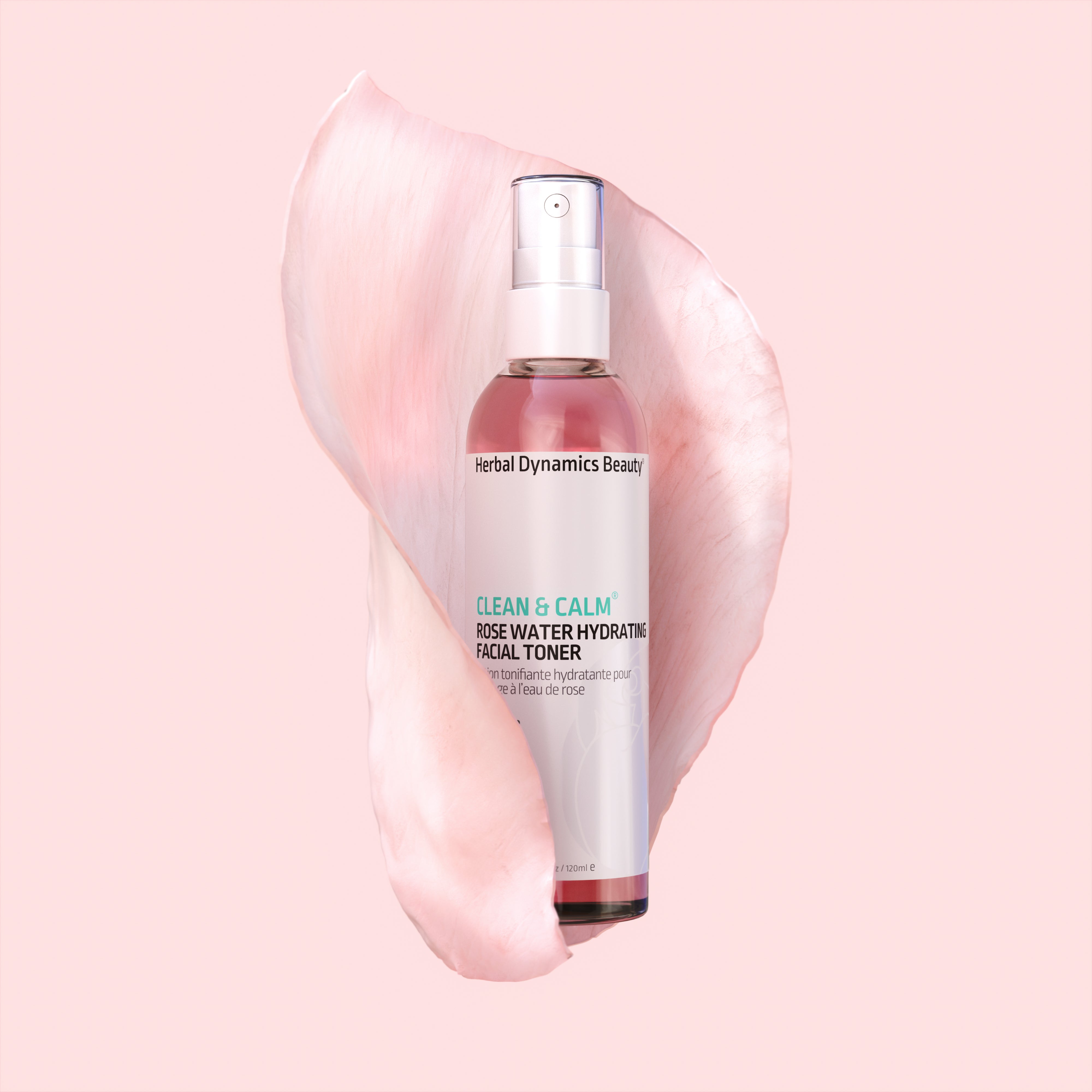
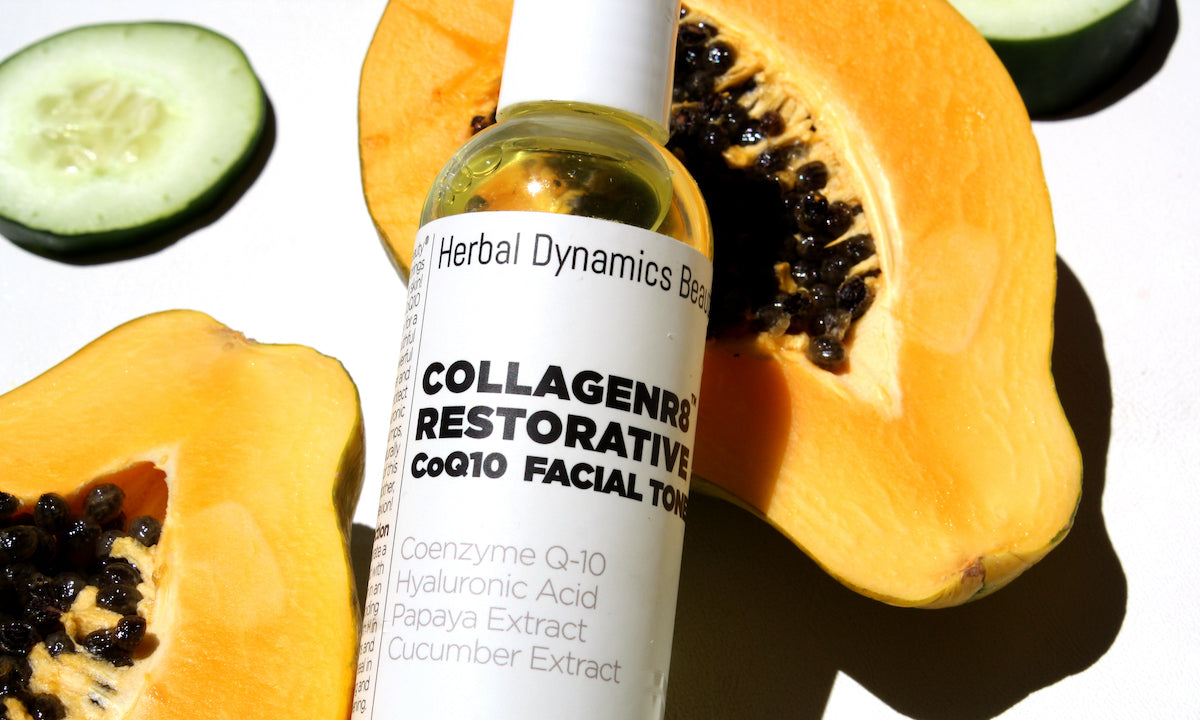
If your goal is a light hydrating layer, CollagenR8® Restorative CoQ10 Facial Toner combines Ubiquinone with hyaluronic acid and aloe, plus other ingredients. Consider it for the role of the whole formula and its feel on your skin. Its ingredient list is not proof of a quantified brightening effect.
Papaya fruit extract in this toner also does not establish a measured exfoliating effect. For a closer label reading, see the CoQ10 toner ingredient guide. Keep a moisturizer in the routine when a toner alone leaves skin dry.
Choose one goal before introducing the product. Compare skin at the same time of day, in similar light and without a new makeup or camera filter. Note whether an improvement lasts beyond the freshly applied finish and whether the product increases comfort.
Maintain daily sun protection and avoid stacking exfoliants to chase a faster glow. If your skin is already comfortable and you see no useful difference, an optional antioxidant step does not have to stay.
Choosing a CoQ10 product helps connect the appearance you want with a suitable format and realistic claims.
By Herbal Dynamics Beauty · September 30, 2026