Your Cart is Empty


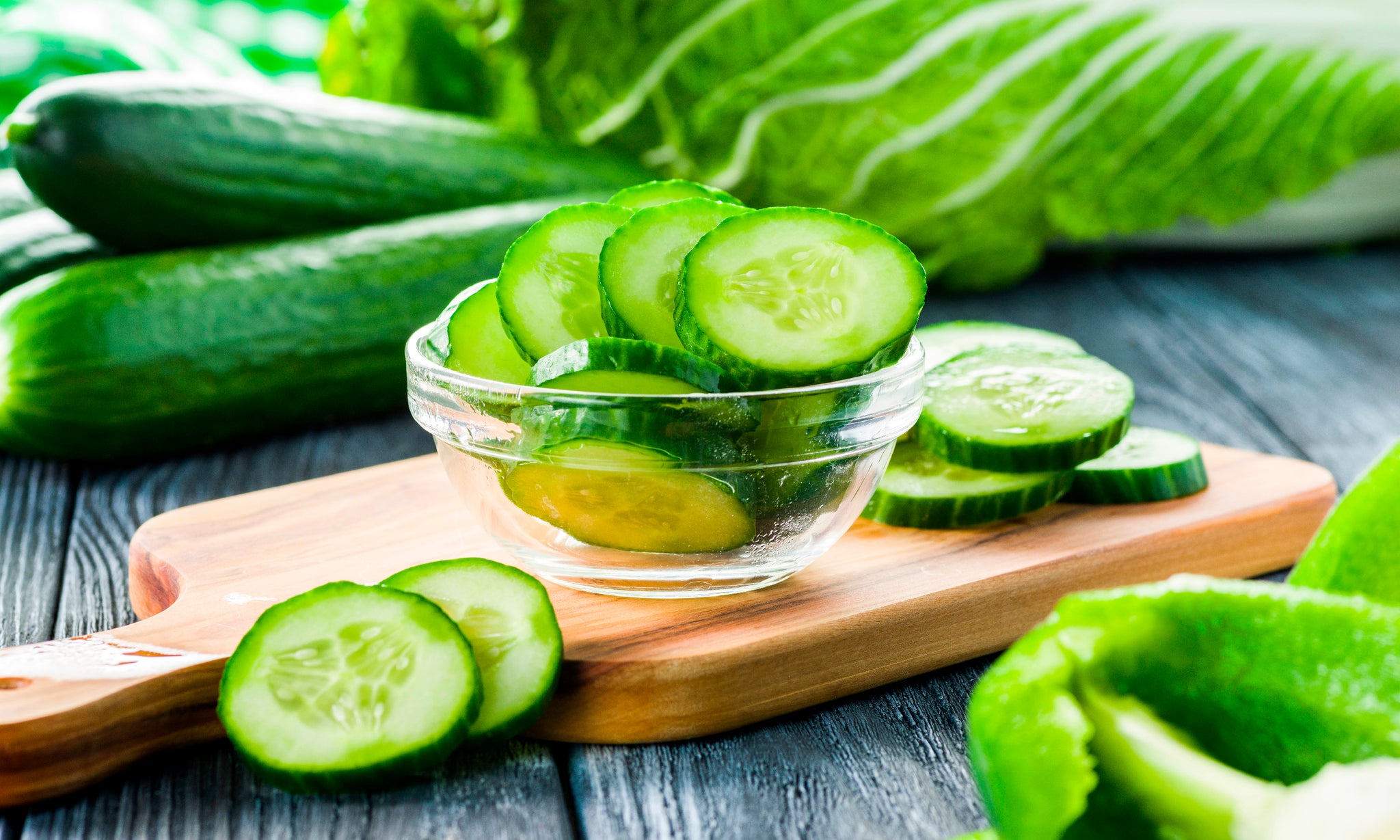
Food and adequate fluid intake support general health, but no single food reliably fixes a dry face. Extra water is not a substitute for gentle cleansing, moisturizer or treatment of an underlying skin condition. Avoid treating dryness alone as proof of a nutrient deficiency.
A systematic review found limited, methodologically weak evidence that additional water intake may improve some measures of skin hydration, particularly in people who previously drank less. It did not establish a dependable prescription for curing dry skin by drinking a particular amount.
That is different from saying fluids do not matter. It means that drinking beyond your needs is not an evidence-based replacement for topical care. Fluid requirements vary; follow any clinician guidance that applies to your health rather than adopting a universal “skin detox” water target.
A varied diet can include appropriate sources of protein, fats, fruit, vegetables and other foods that fit your needs. The nutrient list of an avocado, seed or oil does not prove that eating it will correct facial flaking, nor that applying that food directly will provide the same effects as a formulated skincare product.
Do not infer that a botanical ingredient protects against sunlight because it contains antioxidants. Foods and oils do not replace a properly labeled sunscreen or other sun-protection measures.
Seek individualized advice if you have a very restricted diet, unexplained weight change, difficulty eating, an absorption disorder or another reason to suspect nutritional inadequacy. Taking high-dose supplements without identifying a need is not a reliable dry-skin strategy.
Persistent dryness also has many possible non-dietary causes, including climate, cleansing, irritation and skin conditions. A clinician can help evaluate the pattern rather than guessing from one symptom.
Use a gentle cleanser and a moisturizer that keeps the face comfortable. A cream with complementary humectant, emollient and moisture-loss-reducing ingredients can be more useful than repeatedly adding water or a plain oil.
The dry facial skin guide covers routine changes and signs that deserve assessment. For a purchase decision, use dry-skin moisturizer choices. If you are trying to distinguish dehydration from a dry skin type, start with the comparison guide.
A painful, cracked, spreading or persistently itchy rash needs appropriate care. Do not postpone that assessment while testing food exclusions, supplement regimens or “detox” drinks. The goal is to identify the cause and keep the skin comfortable with a manageable routine.
By Herbal Dynamics Beauty · Updated September 21, 2026.