Your Cart is Empty


The best exfoliator for rough facial texture depends on what is causing the roughness. AHA or PHA formulas may help a comfortable but uneven surface; salicylic acid fits acne-related plugs more closely. Dry, irritated flakes and indented scars need a different approach.
| Texture pattern | Product direction | Avoid this mistake |
|---|---|---|
| Diffuse surface roughness without irritation | A modest AHA or PHA formula | Choosing the strongest peel first |
| Blackheads or closed comedones | A suitable salicylic-acid acne product | Scrubbing harder over bumps |
| Tight, flaky or stinging skin | A comfortable moisturizer and simpler routine | Buying an acid to remove every flake |
| Pits or raised scars | Professional assessment if treatment is wanted | Expecting a cosmetic exfoliant to flatten scars |
If you are unsure which describes your skin, start with the skin-texture guide. A persistent rough patch, bleeding spot or changing lesion needs assessment rather than an escalating sequence of exfoliants.
For surface roughness on otherwise comfortable skin, compare a lactic-acid formula with a PHA formula containing gluconolactone. Look at the moisturizing base, intended users and application directions. Neither category is a suitable reason to exfoliate raw, peeling or stinging skin.
For texture caused by acne plugs, a salicylic-acid acne medicine may fit the goal when its labeled directions are appropriate. This is a different decision from treating dry-looking surface texture. Do not infer a clinical ranking from acid concentration or use several exfoliants to cover every possible cause.
Glycolic acid is another established AHA option for surface texture. Mandelic acid is often positioned as a gentler alternative, but its molecular size cannot guarantee the tolerance of a finished formula. The acid comparison and glycolic-versus-lactic guide explain those tradeoffs.
A serum can contain several supportive ingredients, but more acids are not automatically more useful. Keep concentration, pH, contact time and your current routine in view. Avoid comparing bottle percentages as if every acid were the same ingredient.
Hydration can soften the appearance of dryness-related lines. Exfoliation can affect the surface, but that does not establish deep wrinkle correction. If you already use a retinoid, an extra acid may be unnecessary; see the combination guide.
For dark marks alongside texture, prevent new irritation. Pigment-prone skin can develop more discoloration after aggressive treatment. Targeted dark-spot care and sun protection matter more than chasing faster peeling.
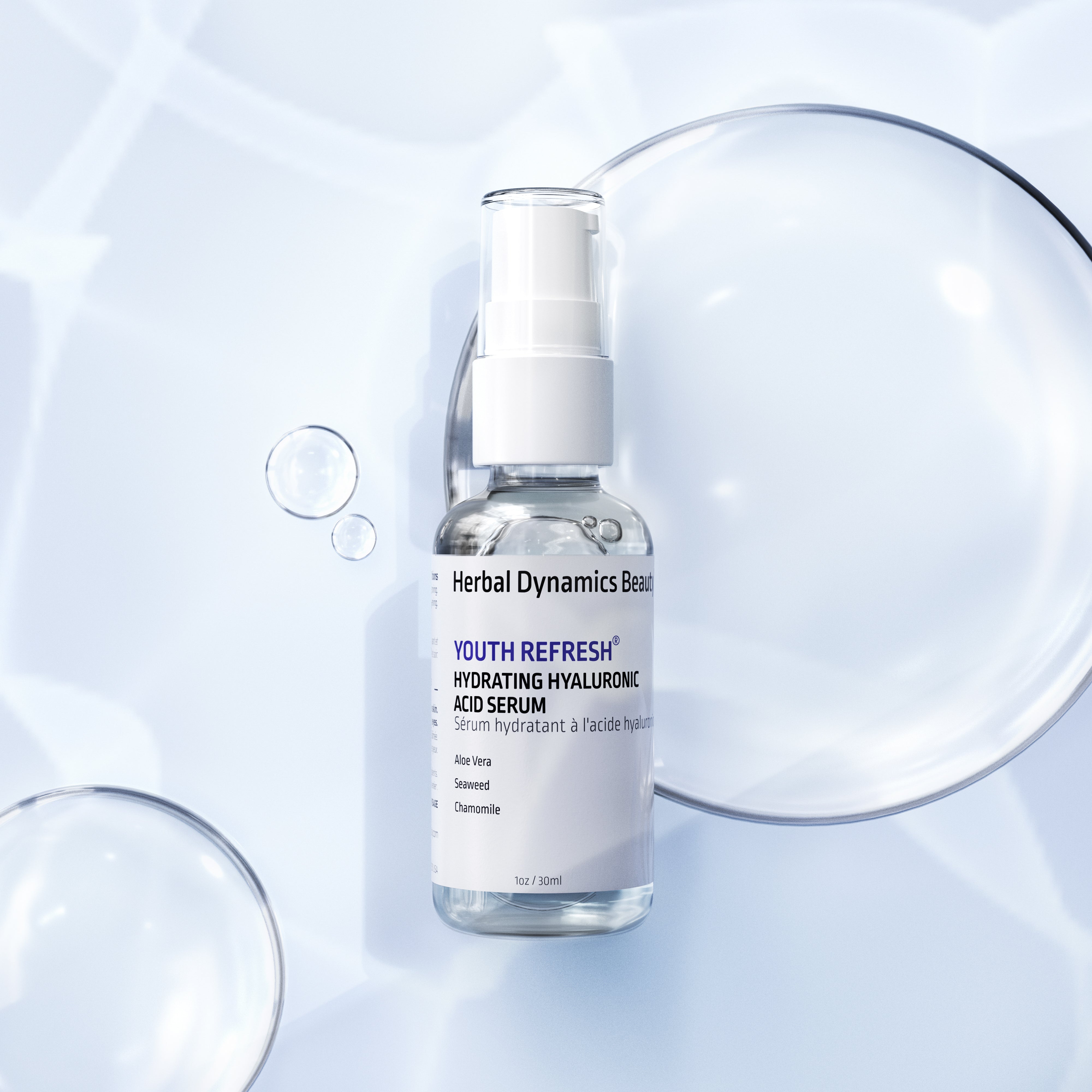
Keep cleansing and moisturizer stable. If skin is comfortable and needs extra humectant hydration, Youth Refresh® Hydrating Hyaluronic Acid Serum is an optional step before moisturizer. It contains hyaluronic acid, glycerin and sodium PCA; those ingredients support hydration, not resurfacing or scar removal.
Do not interpret added hydration as permission to increase the acid dose. A routine that alternates between aggressive exfoliation and recovery masks may simply contain more irritation than your skin can tolerate.
The FDA warns about serious injuries from unsupervised chemical-peel products. Professional resurfacing is a separate decision with an appropriately trained clinician, not the next strength level in a home shopping list.
The retinol texture guide explains a separate ingredient approach. Retinol is not an exfoliating acid, and adding both categories is optional.
For rough body areas, start with rough body skin care before escalating exfoliation. Elbows and knees and thin body areas may need different products.
By Herbal Dynamics Beauty • Updated September 24, 2026. General skincare education; persistent, painful or worsening symptoms need professional assessment.