
Your Cart is Empty


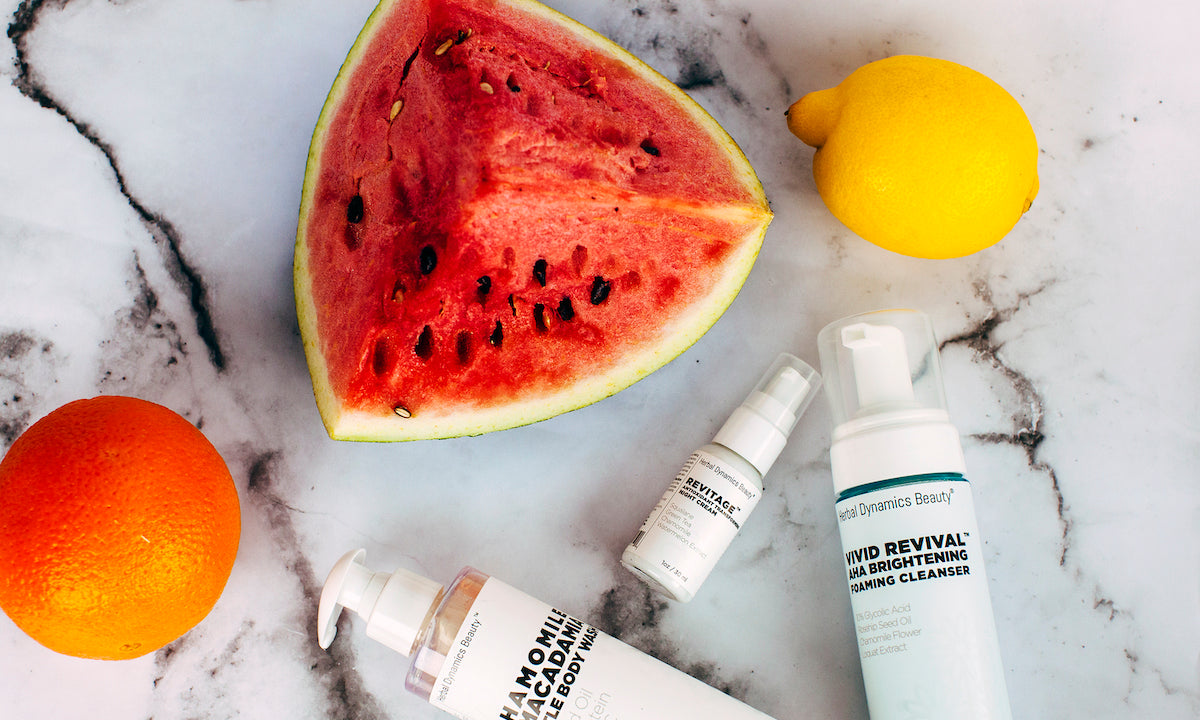
“Clean beauty” is a marketing term, not a U.S. safety certification or a substitute for evidence about a finished formula. Natural origin, a short ingredient list and a paraben-free claim cannot establish that a product is effective, sustainable or suitable for every person.
Use the label as a starting point, then ask what the product does and how its claims are supported.
Different brands use “clean” to mean different things: an ingredient exclusion policy, sourcing preferences, fragrance choices or packaging goals. Those policies can reflect values you care about, but a green design or an undefined “non-toxic” claim is not a clinical test.
This guide explains common label claims, five ingredient groups and the U.S. cosmetic-versus-drug distinction so you can choose products with clearer expectations.
There is no single FDA definition of “clean beauty.” Cosmetics still fall under U.S. law: labels must not be misleading, and manufacturers must ensure safety. MoCRA expanded FDA’s cosmetic authority and includes safety-substantiation obligations. “Clean” does not create an exemption from those rules.
FDA does not define “natural” or “organic” for cosmetics. USDA organic requirements may apply to qualifying agricultural ingredients and products. “Cruelty-free” concerns animal-testing claims; it does not demonstrate low irritation, preservation quality or clinical effectiveness. These terms answer different questions.
Consumer databases can help you notice ingredients and ask questions, but their scoring methods differ. A hazard flag may describe an experimental effect without accounting for the concentration, route and exposure in your cosmetic. Do not treat a database score as a diagnosis or proof that your product is unsafe.
For important safety questions, compare the database claim with regulator guidance, original studies and, when relevant, advice from a qualified clinician. Separate personal values about sourcing from claims about health effects.
Herbal Dynamics Beauty’s botanical approach is a formulation preference. Plant ingredients and synthetic ingredients both require appropriate quality control and safety assessment. The goal is a useful, tolerable product rather than an ingredient list that sounds reassuring.
An ingredient can irritate at one concentration and be tolerated at another. Exposure, allergies, product format and use matter. A leave-on cream, rinse-off cleanser and professional treatment should not be assessed as though they deliver the same dose in the same way.
Read the ingredient list, follow the directions and use a known allergy list if you have one. The following groups illustrate why blanket avoidance rules often oversimplify the evidence.
Parabens are a group of chemicals widely used as preservatives in cosmetics and body care products. These chemicals are added to prevent and reduce the growth of bacteria and mold, which can increase product shelf life.
Some experimental studies investigate hormone-related effects of parabens. Those findings do not demonstrate the same effect from every cosmetic exposure. FDA’s current guidance does not identify evidence that parabens as used in cosmetics affect human health. Paraben-free products still need an effective preservation system.
Phthalates are a family of chemicals with different uses and safety profiles. A restriction on one member does not mean every member is banned or carries the same risk. U.S. and international rules should be identified by substance and jurisdiction rather than summarized as a universal ban.
Historically, some phthalates were used in nail products, hairsprays and fragrances. FDA distinguishes DBP, DMP and DEP and says it does not have safety concerns with DEP as currently used in cosmetics and fragrances. That conclusion should not be generalized to all phthalates or all exposures.
Names and abbreviations can help identify a particular phthalate. Fragrance components may not all appear individually on a cosmetic label; if you need to avoid a diagnosed allergen, ask the manufacturer or your clinician for the relevant information.
“Fragrance” can represent a mixture rather than a list of every scent component. FDA’s fragrance guidance explains this labeling practice. Natural essential oils also contain fragrance substances; natural origin does not make a scent allergy-proof.
Fragrance can trigger irritation or allergic contact dermatitis in susceptible people. Fragrance-free products can be a practical choice for reactive skin. Avoid turning that concern into an unsupported claim that every scented cosmetic causes endocrine or reproductive harm.
Formaldehyde and formaldehyde-releasing preservatives should be evaluated by the particular ingredient, exposure and product category. Contact allergy is relevant for susceptible users. Do not equate every properly formulated preservative with exposure from inhaling fumes during a hair-smoothing treatment; these are different scenarios.
Hydroquinone is a drug ingredient used for some pigment disorders under medical supervision. It should not be treated as an ordinary cosmetic brightener or as a self-directed way to change your overall skin color.
In the U.S., hydroquinone skin-lightening products are not approved for over-the-counter sale. Prescription options may be available through a health care provider. FDA’s skin-product safety guidance explains this distinction; the former “2% OTC” advice is outdated.
FDA has received reports including rashes, facial swelling and ochronosis, a potentially lasting discoloration, with hydroquinone use. A clinician can discuss treatment suitability and monitoring. Those concerns do not justify unsupported claims that every medically supervised course causes skin cancer or immune-system damage.
For pigmentation, distinguish an appearance-focused cosmetic from treatment of melasma or another diagnosed condition. Review hyperpigmentation causes and prevention and use properly labeled sunscreen; persistent or changing pigmentation warrants assessment.
A useful “clean” routine starts with the same practical questions as any routine: Is the product suitable for your skin? Are its claims realistic? Does it have clear directions and reliable ingredient information? Does it avoid an allergen you have actually been advised to avoid?
Choose by purpose, formula and tolerability. A longer ingredient list is not automatically worse, preservatives are not automatically harmful and botanical origin is not a safety guarantee. See parabens and preservation and sensitive-skin care for more specific decisions.
Explore Herbal Dynamics Beauty skincare.
Content updated October 8, 2026.






