Your Cart is Empty


Azelaic acid and vitamin C may fit the same routine when the exact products' directions allow it and your skin tolerates them. They do not need to be started together or applied in the same session. The main practical questions are whether both have a purpose, whether the formulas layer comfortably and whether the combination increases irritation.
If you are still choosing one ingredient, use azelaic acid versus vitamin C. This guide is for someone who already has a clear reason to consider both.
A vitamin C product may serve an antioxidant or skin-appearance goal while azelaic acid has another role in the plan. That rationale is not proof that the pair will outperform one well-chosen product. If your current routine is working, adding a serum is optional.
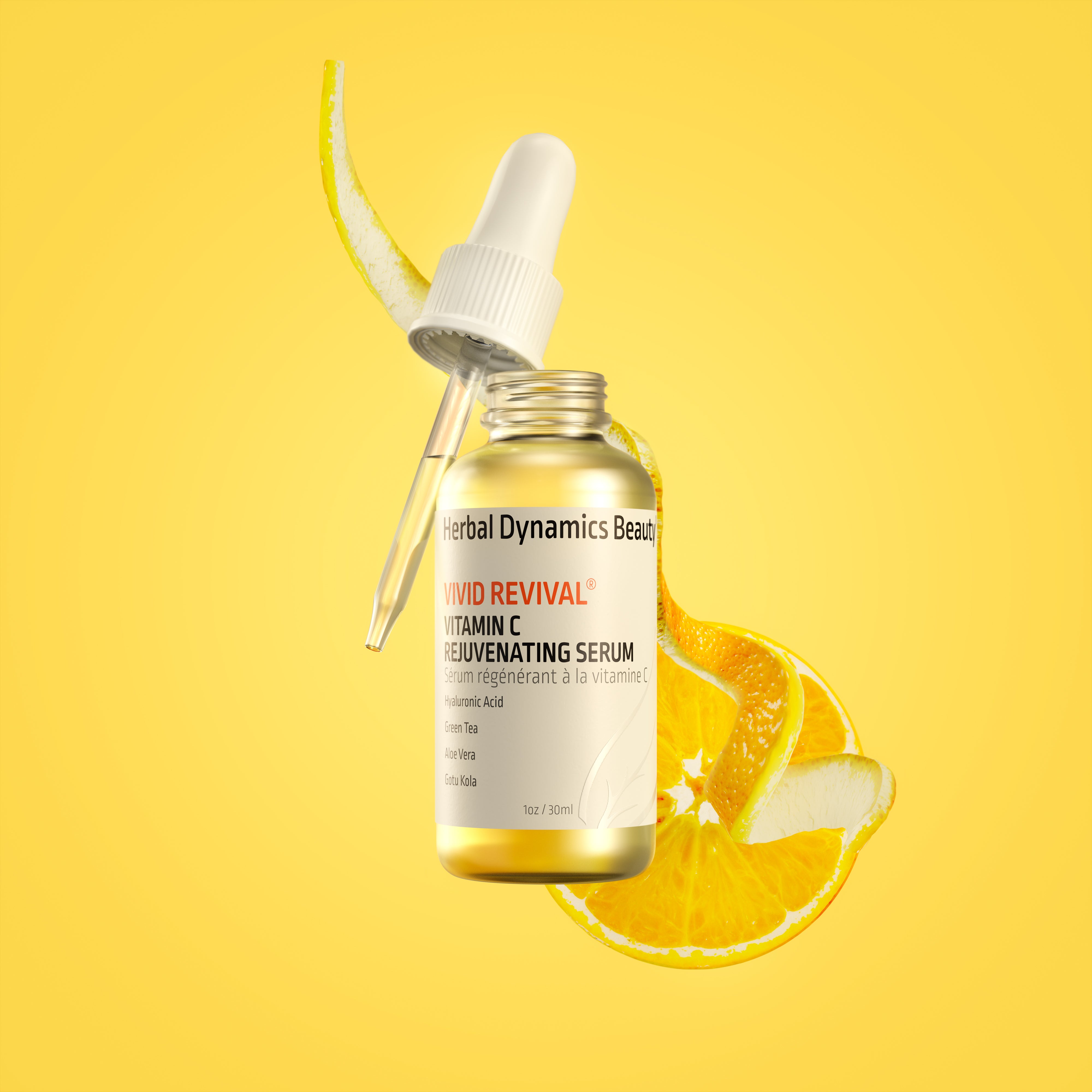
Low-pH L-ascorbic-acid formulas can feel different from derivatives in an emulsion or cream. “Vitamin C” on the front of the package is not enough to predict how a product will behave under another layer.
Read the full ingredient list and both products' directions. Check for additional exfoliating acids, retinoids or other actives that make the routine more complex than a two-ingredient comparison suggests.
For two cosmetics whose instructions permit co-use, separate application times can make the routine simpler. For example, a vitamin C cosmetic may fit the morning while azelaic acid fits the evening. This is an organizational option, not a proven superior treatment schedule.
If azelaic acid is prescribed, its directions take priority. Do not reduce a twice-daily medicine to evening-only use to make room for a cosmetic. Ask the prescriber or pharmacist where the optional product belongs.
Follow the manufacturers' instructions and any medication-specific order. Thin-to-thick can help with cosmetic texture, but it is not a universal medical rule. Let each layer settle and avoid rubbing repeatedly if products begin to pill.
There is no established universal waiting period that makes every vitamin C and azelaic-acid formula compatible. Separate layers also do not prove that all combinations remain stable or comfortable. When the instructions conflict, use another permitted time or leave out the optional cosmetic.
Layering finished products is different from physically mixing them. Mixing can change distribution and make the intended amount difficult to judge. Do not combine either product with sunscreen to create a single step.
Sunscreen remains the final daytime skincare layer before makeup. If the serum combination makes it hard to apply sunscreen properly, simplify the optional layers.
Controlled studies of vitamin C formulations and azelaic-acid preparations address particular skin outcomes. Those separate studies do not prove extra benefit from layering the exact two products in your bathroom.
Use the combination as a considered routine choice, not a shortcut to faster fading. The pigmentation guide and the timeline guide explain how to assess the original goal without confusing a more complicated routine with stronger evidence.
By Herbal Dynamics Beauty • September 26, 2026