Your Cart is Empty


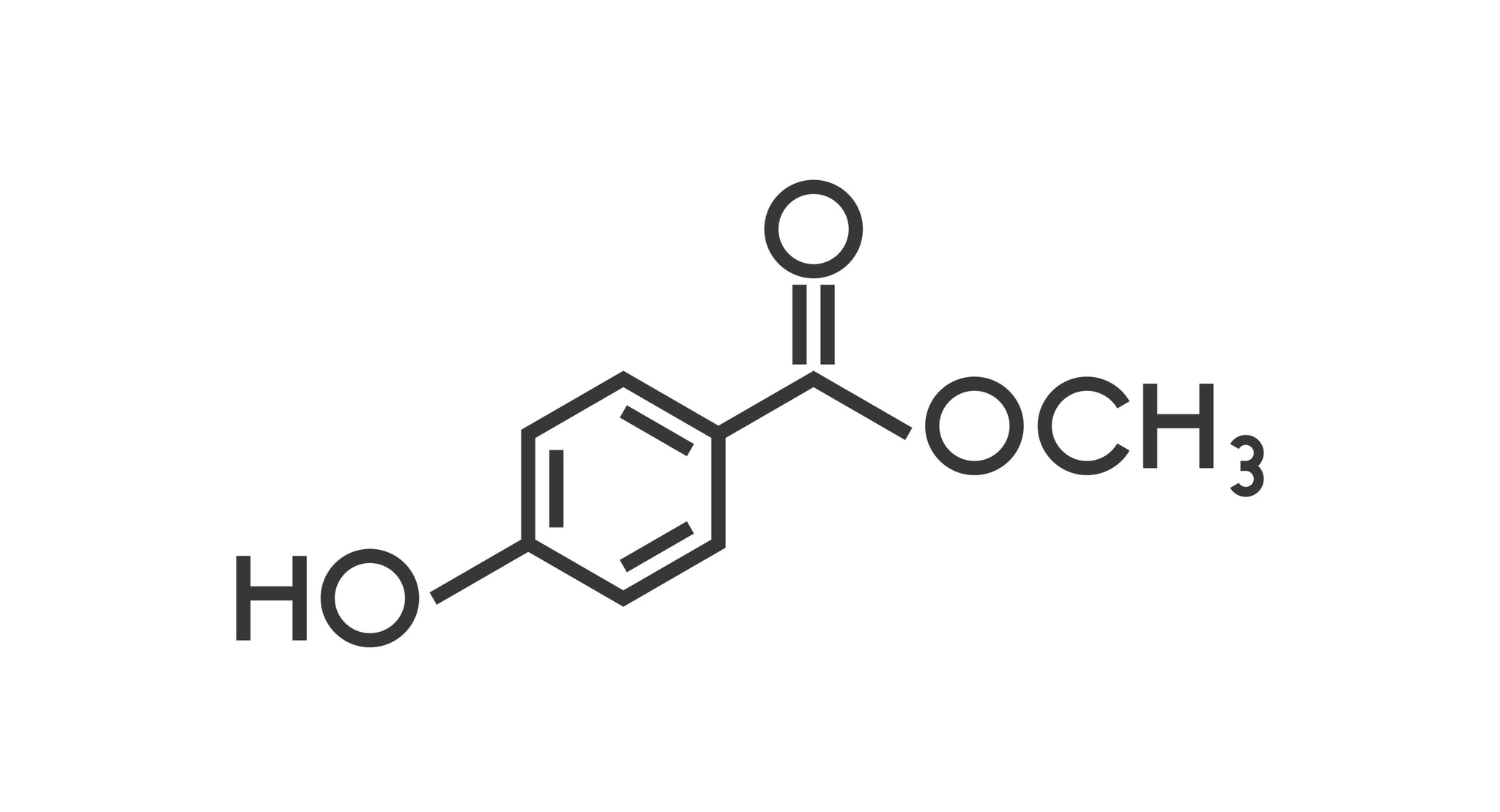
Parabens are preservatives that help prevent microbial growth in cosmetics. A paraben-free label does not by itself establish that a product is safer. Evaluate the complete formula, your allergy history and the evidence for the actual exposure rather than assuming that a familiar chemical name signals harm.
Water-containing lotions, washes and serums need protection from bacteria, yeast and mold during storage and use. Preservatives help provide that protection. Their safety depends on the particular substance, concentration, exposure and finished formula; describing ordinary cosmetics as broadly toxic does not answer those questions.
Questions about parabens are reasonable, especially if you have had a reaction to a product. The useful distinction is between a demonstrated personal allergy, a laboratory finding and evidence of harm from normal cosmetic use. These are different kinds of evidence and should not be treated as interchangeable.
Parabens are a type of preservative found in many foods and skincare products, including cleansers, sunscreens, shampoos, and body washes.
Used since the 1930s, parabens often appear in cosmetic ingredients lists as methylparaben, propylparaben, butylparaben, or ethylparaben.
Allergic contact dermatitis can occur in susceptible people. A suspected preservative allergy is a reason to discuss patch testing with a dermatologist, rather than diagnose the problem from a list of ingredients. Other ingredients in the same product may also be responsible.
Some parabens show hormone-related activity in experimental studies. Such findings deserve study, but they do not by themselves demonstrate reproductive or developmental harm from using a finished cosmetic. An exposure-based assessment must consider dose, route, metabolism and the specific paraben.
Environmental detection is a separate research question from whether a product causes a skin reaction or systemic harm in its user. Finding a substance in water, wildlife or tissue establishes presence, not a causal relationship or the risk at every exposure.
The frequently discussed breast-tissue paper also needs this distinction.
A 2004 study detected parabens in breast tumor samples. Detection alone cannot establish that parabens caused those tumors. It should not be presented as a clinical demonstration that paraben-containing cosmetics cause breast cancer.
FDA says it does not currently have information showing that parabens as used in cosmetics affect human health, and it continues to review the evidence. That is a statement about available evidence, rather than a promise that no individual can react to a product.
FDA generally does not approve cosmetic ingredients before marketing, apart from certain color additives. Calling parabens “FDA approved” is therefore misleading. Manufacturers are responsible for product safety and appropriate labeling. FDA’s paraben guidance explains the U.S. distinction.
Using several cosmetics does not establish an unsafe preservative dose simply by counting bottles. If you want a simpler routine, select a gentle cleanser, a suitable moisturizer and sunscreen, then add optional products that serve a clear purpose. Avoid duplicating steps because of fear of an ingredient name.
You may prefer paraben-free products, including suitable Herbal Dynamics Beauty formulas. Treat that as a preference, not evidence that competing preserved formulas are toxic. Compare directions, fragrance, texture, tolerability and ingredient information; no brand or natural label can guarantee freedom from reactions.
An essential oil’s antimicrobial activity in a laboratory does not demonstrate that it can adequately preserve a water-based lotion or serum. A preservative system must work in the complete formulation. Essential oils can also cause irritation or allergy. Do not add oils or water to a purchased product bottle to change its preservation.
A broader 2020 cosmetic safety assessment evaluated individual parabens under specified use and concentration conditions. Its conclusions are conditional, not a blanket endorsement of unlimited exposure. For your own routine, keep products closed, observe their storage and shelf-life directions and stop using a product that changes unexpectedly.
For related decisions, read what clean skincare labels mean and ingredient safety myths. If you have a diagnosed allergy, follow your clinician’s avoidance list rather than a general marketing blacklist.
Content updated October 8, 2026.