Your Cart is Empty



Tranexamic acid and vitamin C can both appear in routines for uneven tone, but they are not interchangeable ingredients. TXA’s skincare discussion centers on pigment-related signaling. Vitamin C also has an antioxidant role, and its cosmetic forms vary. The useful comparison is between complete formulas and the job each would do.
For foundations, read tranexamic acid for skin and vitamin C serum benefits. This guide focuses on selection and co-use rather than repeating either ingredient’s full overview.
| Question | Tranexamic acid | Vitamin C |
|---|---|---|
| What is the main goal here? | Assess a pigment-focused ingredient | Assess a formula with antioxidant and uneven-tone goals |
| What label detail matters? | TXA amount, accompanying actives and carrier | The form of vitamin C, concentration when disclosed and carrier |
| What evidence should match? | Topical route, concern and finished formula | The specific vitamin-C form and finished formula |
| What should not be assumed? | Oral results prove serum performance | All vitamin-C derivatives perform like L-ascorbic acid |
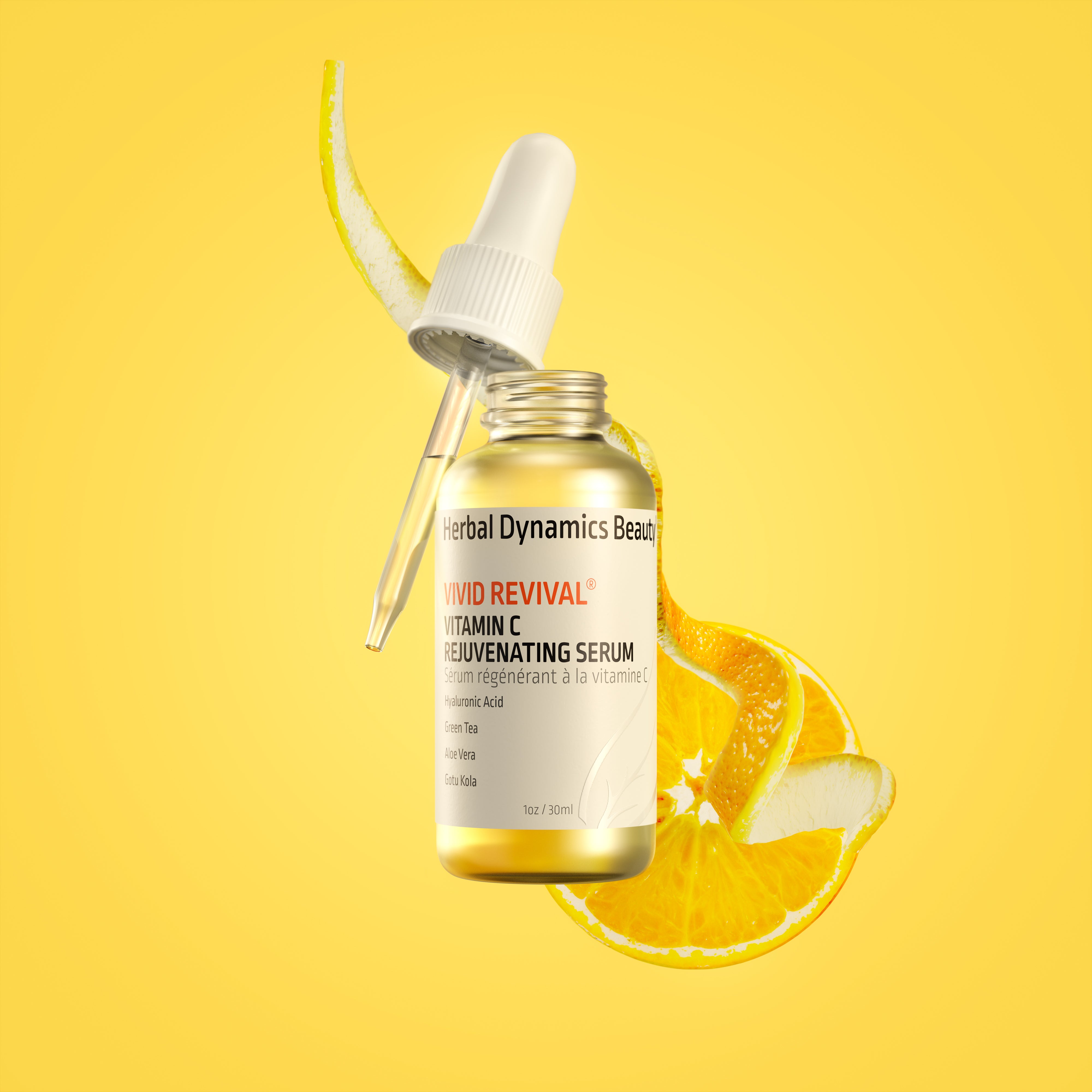
Our vitamin-C form comparison explains why the last distinction matters. A front label saying “vitamin C” leaves important formulation questions unanswered.
A small 2004 melasma trial compared 5% ascorbic-acid cream with 4% hydroquinone on opposite sides of the face in 16 women over 16 weeks. Subjective improvement favored hydroquinone, while color measurements did not significantly differ; ascorbic acid caused fewer reported side effects.
That trial did not compare vitamin C with TXA, and its result should not be transferred to every vitamin-C derivative. Likewise, TXA melasma studies should not be turned into a universal ranking by comparing percentages from unrelated trials.
If you already use a comfortable vitamin-C formula for a broader morning routine, decide what an added pigment product would contribute. If a flat post-acne mark is the main concern, review TXA’s PIH evidence rather than assuming an antioxidant label addresses every mark.
For other discoloration, compare vitamin C for dark spots with TXA for dark spots. Neither page substitutes for identifying an uncertain or changing lesion.
There is no useful universal rule based solely on the two names. Check both formulas, their directions and the rest of the routine. The presence of a vitamin-C derivative, an acidic L-ascorbic-acid serum or additional exfoliants creates different product situations.
If you choose to use both, introduce the new formula separately. Label-permitted morning and evening placement can simplify the routine, but it is not proof of synergy or a guarantee against irritation. Do not mix bottles to invent a combination serum.
A second serum is optional. If the existing product is useful and comfortable, keeping it may be a better practical decision than expanding the routine without a clear target. If it is uncomfortable, resolve that issue before layering another pigment formula.
Use the TXA compatibility guide for routine overlap and the tolerance guide if new symptoms appear.
Evaluate TXA through the serum-selection guide. Decide when and why it would be used, what it would replace or add, and how you would assess a useful result.
Keep sunscreen in place regardless of the choice. Neither an antioxidant serum nor a pigment-focused TXA formula takes over that role.