Your Cart is Empty


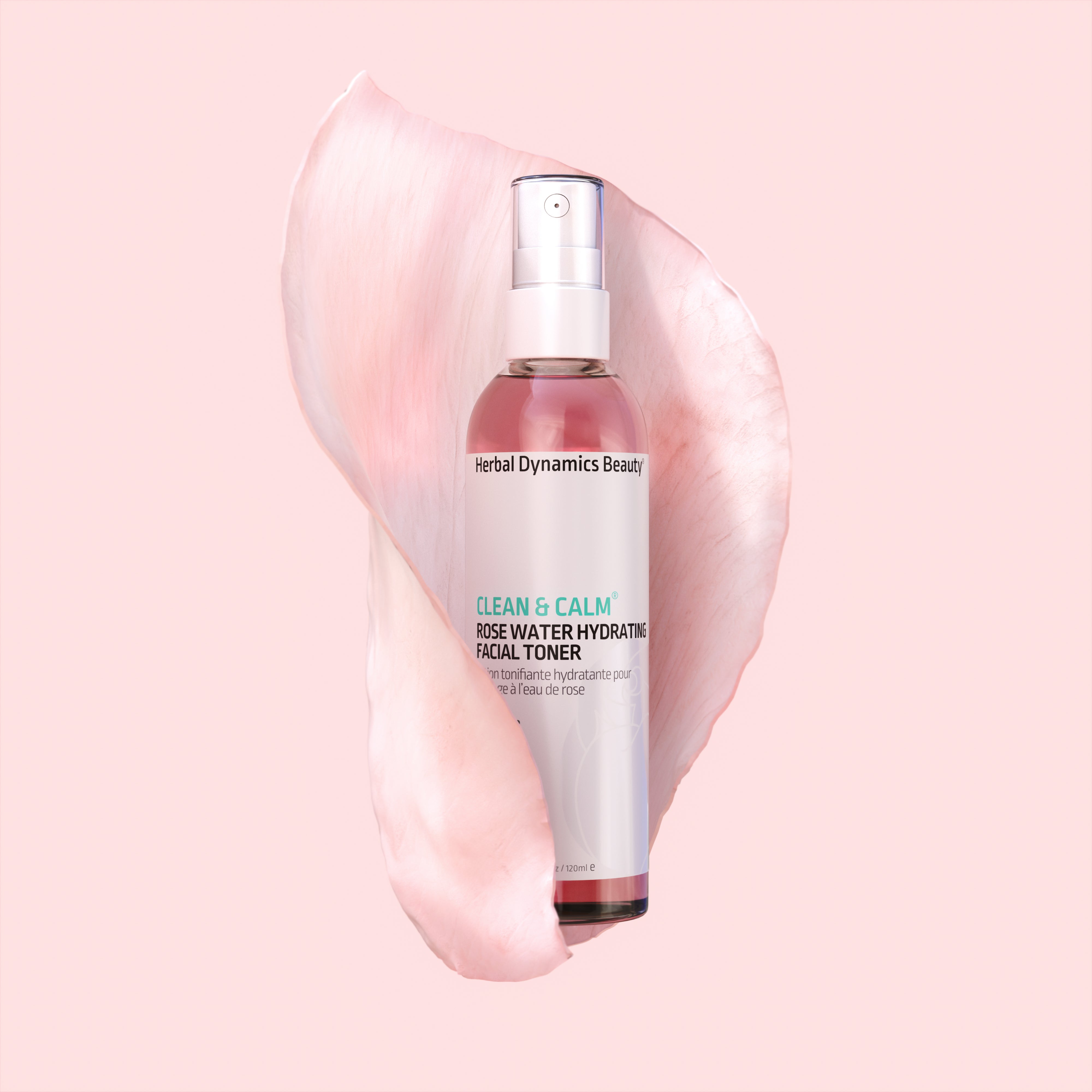
A hydrating toner aims to add moisture-related comfort; an exfoliating toner uses an active formula to help remove surface skin cells. Some products combine both, so read the ingredients and directions rather than judging by the word “toner.”
| Question | Hydrating toner | Exfoliating toner |
|---|---|---|
| Typical ingredients | Glycerin, hyaluronic acid and other humectants | Glycolic, lactic, salicylic or other intentionally formulated exfoliating ingredients |
| Main reason to use | A comfortable light layer under moisturizer | A planned exfoliation goal |
| Frequency | Based on label, need and tolerance | Based on the active, label and other treatments; not automatically twice daily |
| Main concern | Redundant layers or a reaction to the formula | Over-exfoliation, irritation and active duplication |
| Can it replace moisturizer? | Usually no | No |
If your face feels tight or lacks a comfortable finish, first assess cleansing and moisturizer. A humectant toner can be an optional addition, but an acid is not required to make the skin “accept” moisture. See the hydrating-toner buying guide.
A formulated acid product may fit a texture-related goal, but not every face needs exfoliation. For acne, the product's labeled treatment role matters; choose appropriate care rather than assuming any acid toner treats every type of breakout.
The AAD advises choosing exfoliation with your skin and other products in mind. A retinoid, exfoliating cleanser, scrub, peel and acid toner should not be assessed as unrelated steps.
Ingredient concentration, pH, vehicle and exposure affect an acid formula. A low pH is not an automatic quality score, and a larger percentage is not universally better. Do not alter the formula with household ingredients.
The FDA warns that alpha hydroxy acids can increase sun sensitivity during use and for a week afterward. Follow sun-protection and product directions; sunscreen is already important in the daily routine.
Not by itself. A papaya fruit extract on an ingredient list does not establish active papain content, enzyme activity or clinical exfoliating strength. It would take information about the finished formula to support those claims. Likewise, a small amount of an acid may serve a formulation function without making the product an exfoliating treatment.
The CoQ10 toner guide applies this distinction to a current formula. The pH guide explains why a number alone cannot settle the question.
Sometimes, if both add value and the routine is tolerated, but there is no need to buy a hydrating toner to cancel the irritation of an exfoliating one. Moisturizer and an appropriate exfoliation schedule matter more than accumulating layers.
Follow the exfoliating product's directions. Avoid adding several new actives at once. For application order, see how to use facial toner.
Persistent burning, tightness, peeling or a rash means reassessing the routine. Do not call all irritation “purging.” Pause the irritating optional products and use the barrier-repair routine; ongoing or severe symptoms need assessment.
Return to the toner overview or the buying guide to choose by function.
Updated September 20, 2026. General skincare education.